Best Bluebonnet Photo Locations in Austin: Where to Go, When to Shoot & How to Get the Shot
12 bluebonnet photo locations near Austin mapped with exact addresses, parking info, photography tips, and bloom timing — from free roadside fields to the 654-acre Muleshoe Bend.
By Austin Gallery
This article contains affiliate links. Austin Gallery may earn a commission at no cost to you.
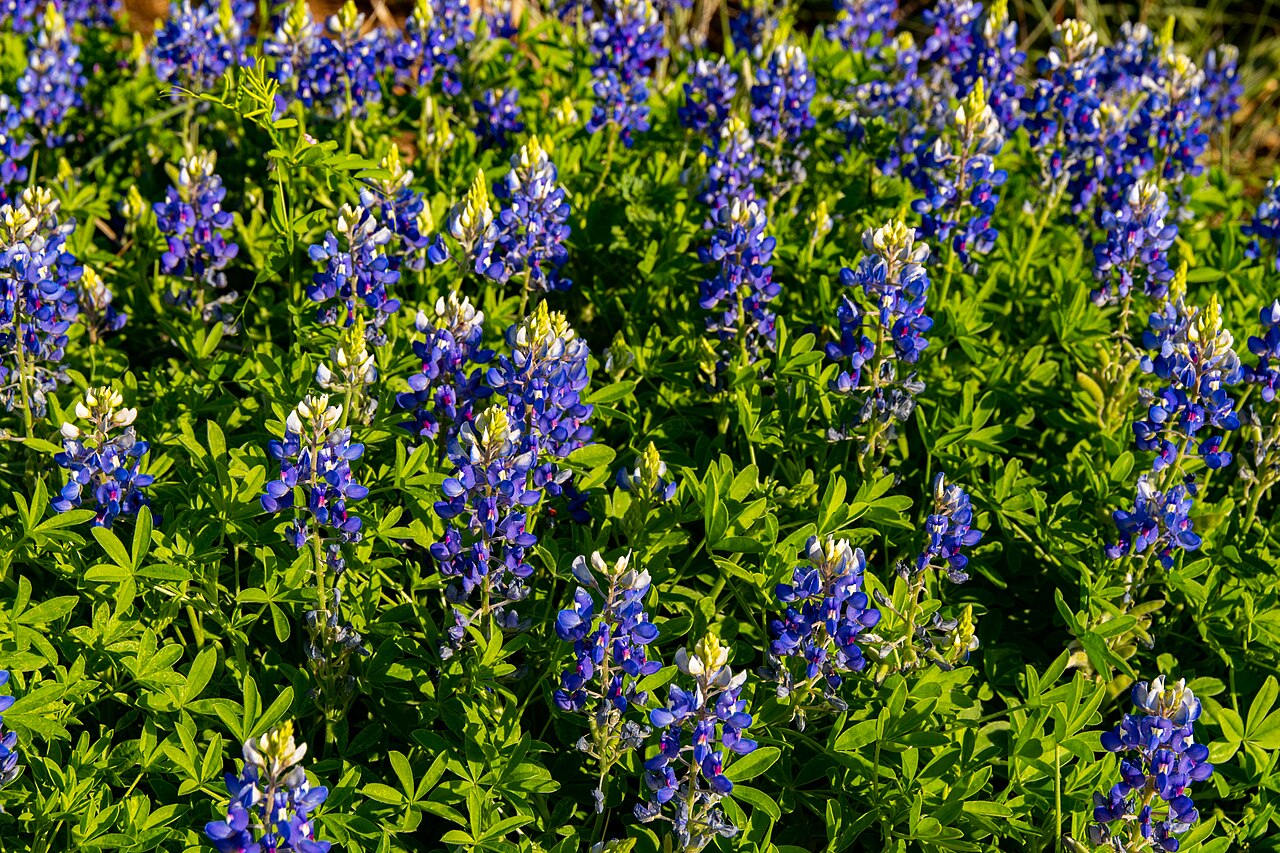
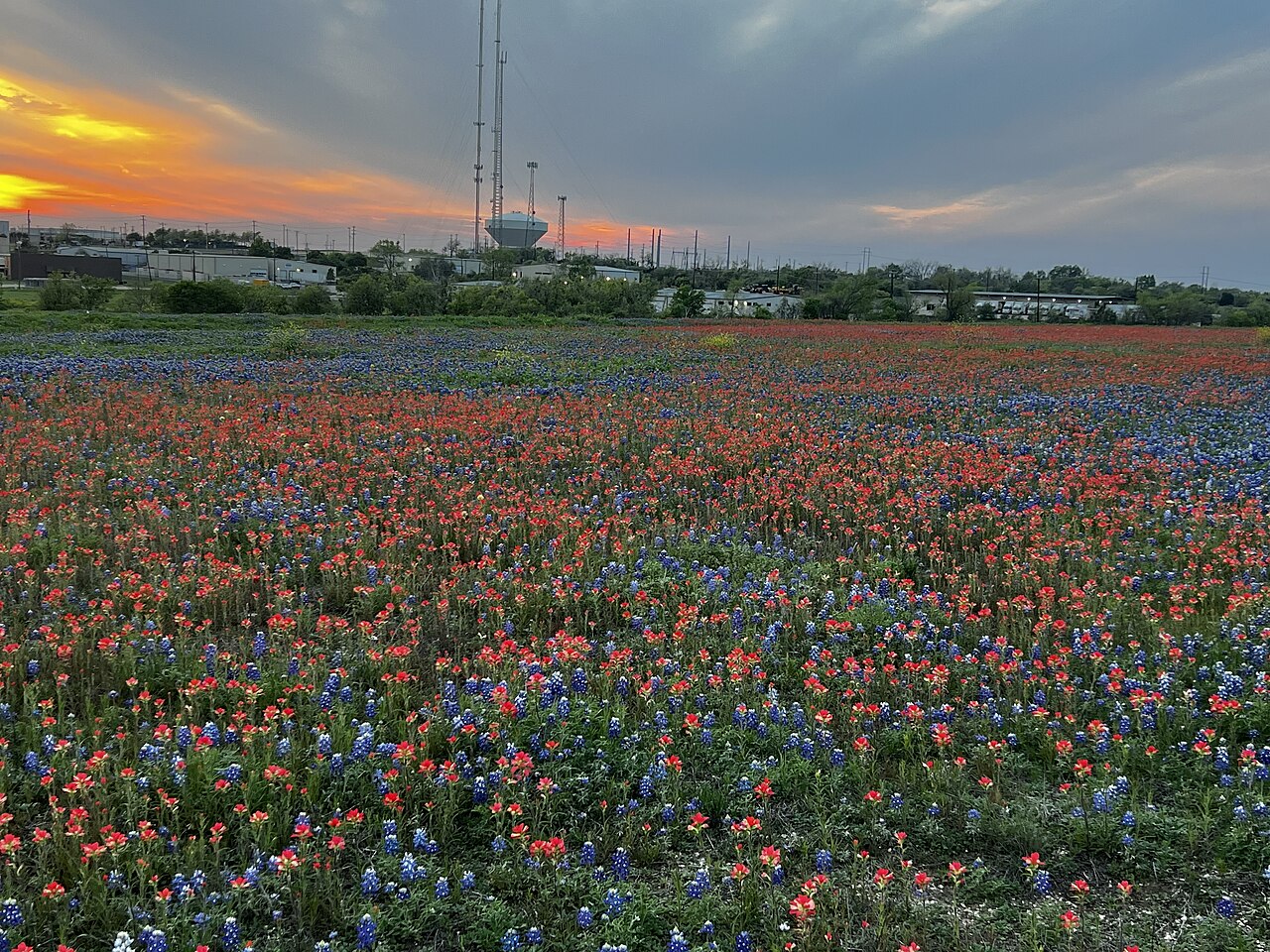
Photo: 8bit12man via Wikimedia Commons (CC BY-SA 4.0)
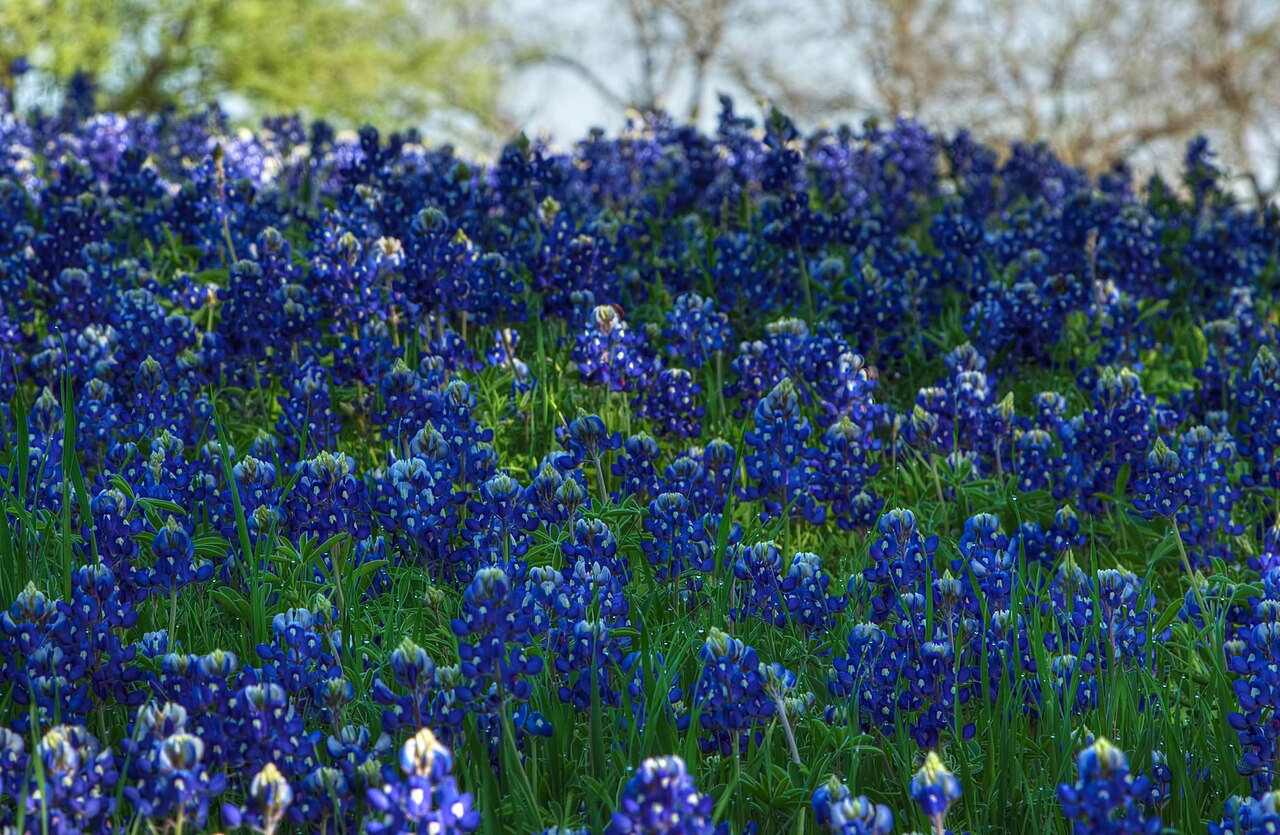
You know the moment. You're driving somewhere completely mundane — the grocery store, maybe, or your kid's baseball practice — and a patch of blue catches your peripheral vision. You slow down. You pull over. And there they are: bluebonnets, thousands of them, carpeting a field in that impossible shade of violet-blue that no camera ever quite captures. Your phone is out before you've unbuckled your seatbelt. Your kid is already running toward them. And somewhere in the back of your mind, you're thinking: there has to be a better spot than this random ditch on 290.
There is. Actually, there are twelve of them.
This guide is the one I wish I'd had five springs ago. Not a listicle with vague directions and stock photos — a real, practical document with exact addresses, parking intel, photography tips, and honest assessments of which spots are worth your Saturday morning and which ones are best left for a Tuesday afternoon. Some are five minutes from downtown Austin. Others are worth a full day in the Hill Country. All of them, during peak bloom, will make you understand why Lady Bird Johnson spent her life trying to get people to pay attention to wildflowers.
Peak bluebonnet season is roughly two to three weeks away. Let's get you ready.
Key Takeaways
12 locations mapped — from inside Austin city limits to Hill Country day trips
Peak bloom is typically the first two weeks of April, but check live trackers before driving
Muleshoe Bend (654 acres, $5) is the single best location near Austin for sheer scale
The Lady Bird Johnson Wildflower Center guarantees curated blooms every spring ($12 adults)
Most spots are FREE — including some of the best ones
Golden hour (first/last hour of sunlight) transforms your photos from snapshots to keepers
12Locations mapped with directions
FREEMost spots cost nothing
654Acres of wildflowers at Muleshoe Bend
$12Wildflower Center admission (guaranteed blooms)
Here's the thing about bluebonnets that no one tells you until you've driven an hour to find a brown field: the bloom is not a calendar event. It's a weather event. Everything depends on what happened between October and February — specifically, how much rain fell and whether the temperatures stayed cool enough for the seeds to germinate properly.
The General Pattern
In a typical year, here's what to expect in Central Texas:
Mid-to-late March: Early bloomers appear along highway medians and south-facing slopes. These are the scouts — thin, scattered, not photo-ready.
First two weeks of April: Peak bloom. Fields go from scattered blue to wall-to-wall carpet. This is when you go.
Late April: Flowers begin to brown and set seed. By May, it's over.
But "typical" is doing a lot of work in that sentence. In dry years, the bloom is thin and patchy. In wet years, it can start two weeks early and last through the end of April. In 2024, a warm February pushed peak bloom to late March in some areas. The only reliable predictor is what's actually happening on the ground right now.
Texas Wildflower Sightings — Community-reported sightings from across the state, organized by region and date.
Wildflower Center Hotline: 512-232-0200 — Call for current bloom conditions.
Instagram hashtags: #texasbluebonnets, #austinbluebonnets, #bluebonnetseason — Real-time photos from people on the ground.
The Bloom Is Unpredictable
Do not drive an hour based on last year's timing. Check live bloom reports from the Wildflower Center or Texas Wildflower Sightings before heading out. A field that was peak blue on Saturday can be past its prime by the following weekend.
In Austin: No Driving Required
You don't need to leave the city to find bluebonnets. These five spots are all within Austin city limits, and several of them are genuinely excellent.
The bloom is not a calendar event. It's a weather event. Everything depends on what happened between October and February.
This is the only spot on this list where you are guaranteed to see bluebonnets during spring. The Wildflower Center cultivates them intentionally across its 279 acres, and the staff manages bloom timing with the precision of a botanical garden (which it is). Even in a bad wildflower year, this place delivers.
The Zachry Texas Arboretum section is where the densest bluebonnet displays typically appear. The curated gardens near the entrance are photogenic, but the real magic is further in — along the nature trails where cultivated plantings blend into wild meadows. Arrive early on weekdays to avoid the weekend crowds that descend in April.
One of Austin's best-kept bluebonnet secrets hides in plain sight on Burnet Road. The grassy fields surrounding the University of Texas Pickle Research Campus reliably produce dense bluebonnet stands every spring. The blooms line the road and fill the open areas between buildings, creating a surprisingly photogenic scene against an unlikely backdrop.
No entrance fee, no gates, no crowds (at least not on weekdays). Just pull into one of the surface lots along Burnet Road and walk the perimeter. The fields on the east side of the campus tend to be the most productive.
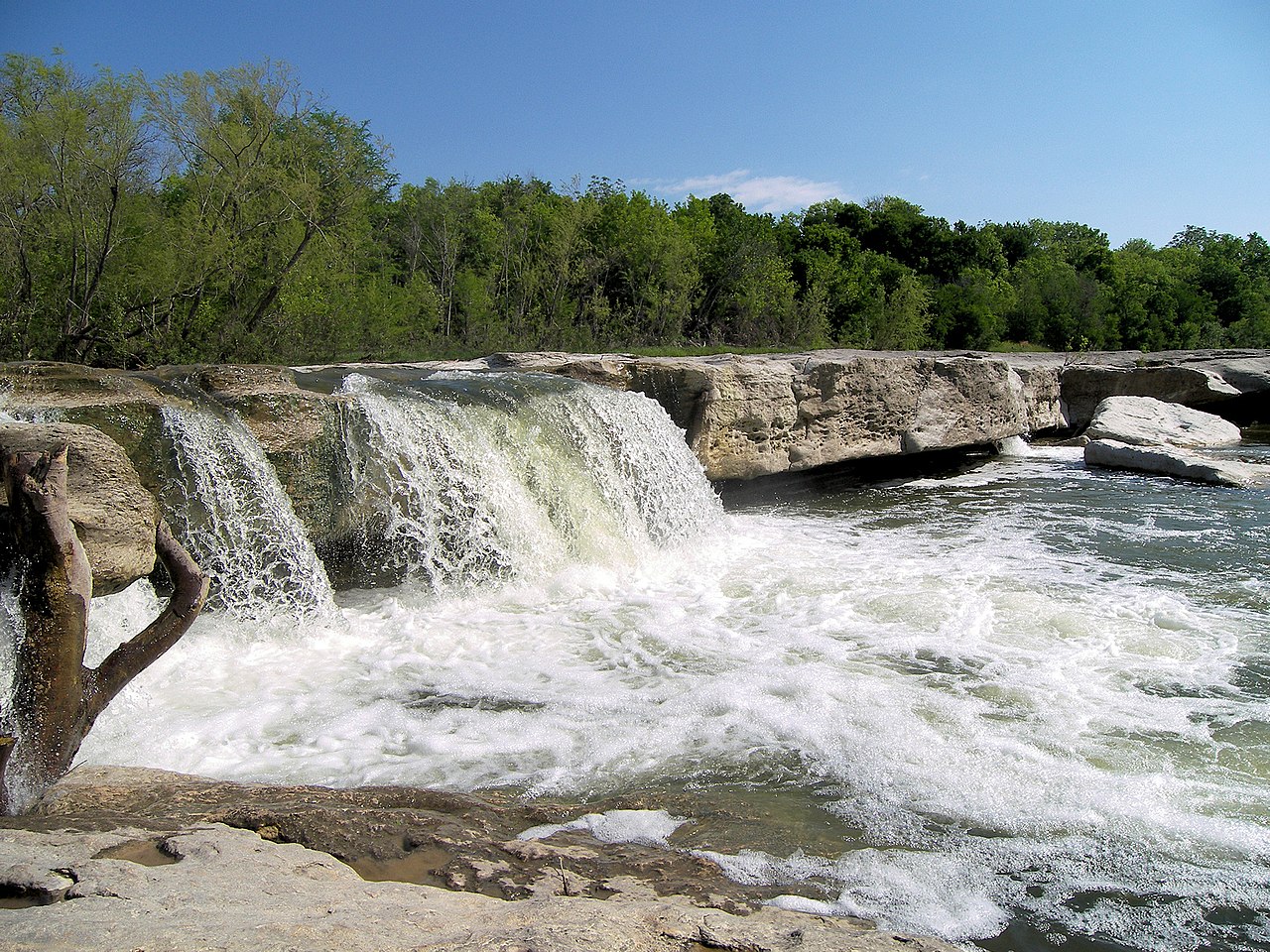
McKinney Falls doesn't have the massive bluebonnet fields of a Muleshoe Bend, but what it offers is something better for photography: context. The combination of wildflowers, limestone waterfalls, and creek beds creates compositions that a flat field simply can't match. The areas around the upper and lower falls and along the Onion Creek trail get scattered bluebonnet patches in good years, and the waterfall backdrop makes for photos that don't look like everyone else's.
This is a Texas state park, so you'll need either a $6 day pass or a Texas State Parks Pass ($70/year, which pays for itself in about four visits).
Photo tip: Combine bluebonnets with the limestone shelf at the lower falls for a uniquely Austin composition.
Bright Leaf Preserve
This 215-acre nature preserve in southwest Austin is one of the city's true hidden gems. Managed by the Travis County Natural Resources division, Bright Leaf sits on the Balcones Canyonlands and features a mix of Hill Country grassland and oak-juniper woodland. The grassland areas produce wild bluebonnets in spring, and because access is limited to guided tours, you'll never fight crowds.
The catch: you can only visit on scheduled guided hikes. Check the Travis County Parks website for spring tour dates — they fill up, so register early.
Photo tip: Limited access means pristine, untrampled fields — some of the most natural bluebonnet photos you'll find in city limits.
Beverly S. Sheffield Northwest District Park
A neighborhood park that locals rarely think of for bluebonnets, but the grassy slopes along the creek produce reliable spring wildflower displays. It's small — you're not getting the sweeping fields of Muleshoe Bend — but for a quick weekday photo session without driving anywhere, Sheffield Park delivers. The area near the playground and along the creek trail is where blooms concentrate.
Photo tip: The creek bank provides a natural foreground — position bluebonnets between you and the water for depth.
Within 30 Minutes: Worth the Short Drive
These three spots require leaving Austin proper, but none are more than a half-hour from downtown. For the quality of what you'll find, the drive is worth it.
If you visit one spot on this entire list, make it Muleshoe Bend.
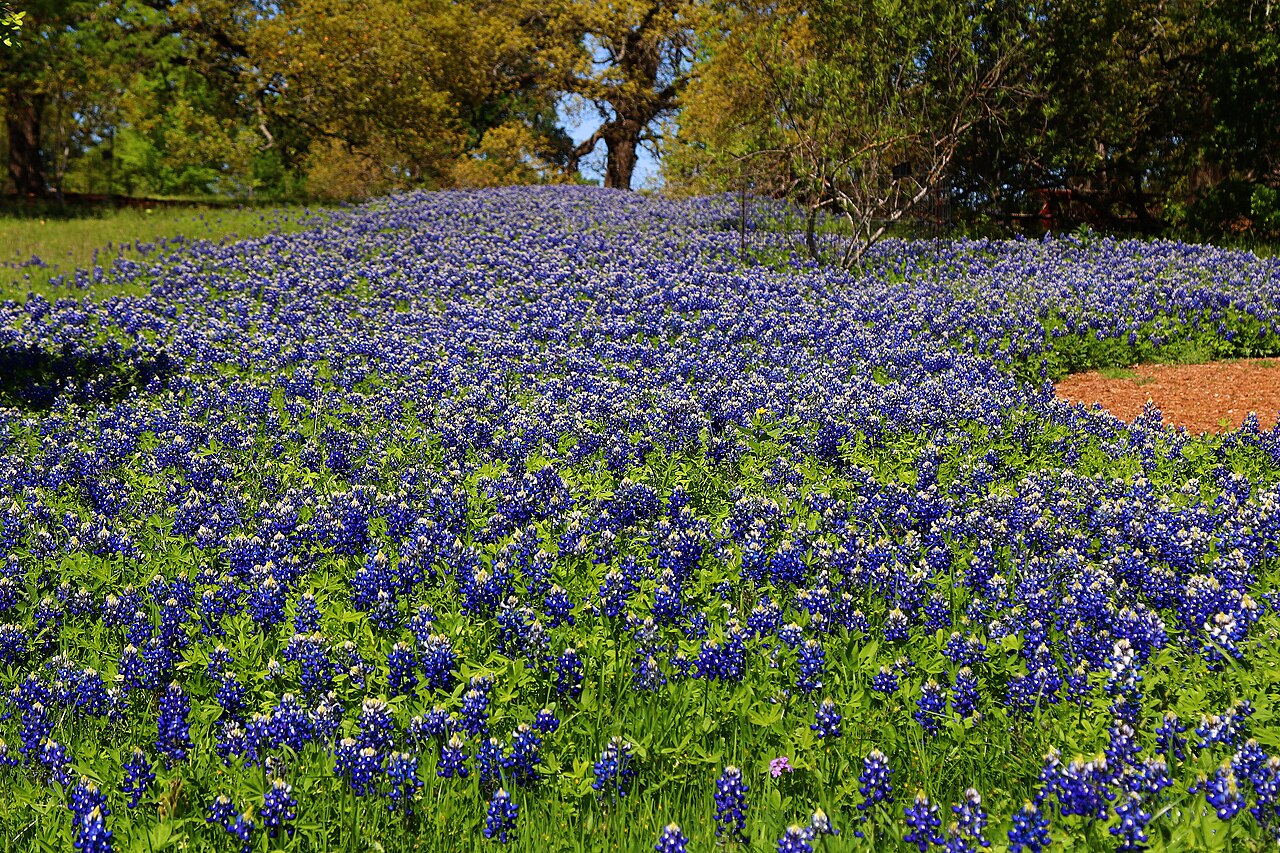
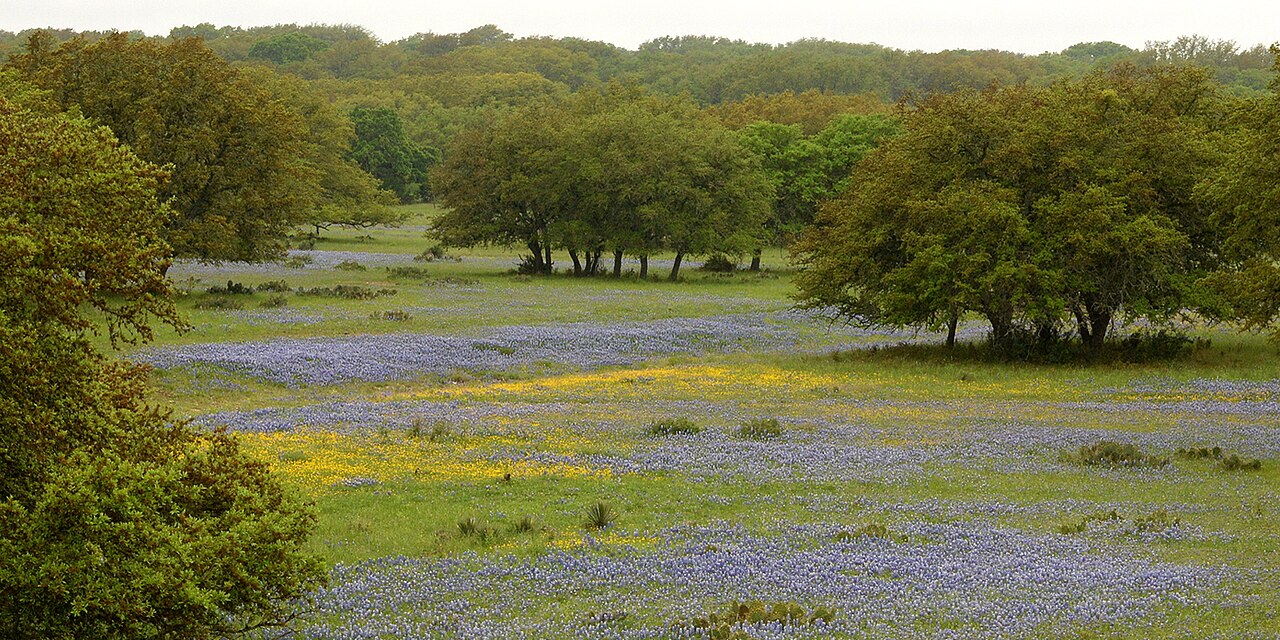
This 654-acre LCRA park sits on a dramatic bend of Lake Travis, and in a good bluebonnet year, it is staggering. We're not talking about a nice patch of flowers by a parking lot — we're talking about hundreds of acres of unbroken blue rolling down to the lake. The scale is genuinely hard to convey in words. You crest the hill from the entrance, and the view opens up, and you just stop walking.
Austin Art Insider
Free weekly guide to galleries, exhibitions & collecting in Austin.
The park is managed by the Lower Colorado River Authority (LCRA) and is open year-round, but spring is when it earns its reputation. The combination of wildflower fields and Lake Travis views in the background creates the most dramatically photogenic bluebonnet setting within an hour of Austin.
Parking: Gravel lot near entrance; additional overflow parking during peak season. Arrive before 9 AM on weekends.
Photo tip: Walk past the first field everyone stops at. The best compositions are further in, where the land slopes down toward the lake and you can frame bluebonnets with water in the background.
Timing Your Muleshoe Visit
Muleshoe Bend gets very crowded on spring weekends, especially the two peak weekends in April. If you can swing a Tuesday or Wednesday morning, you'll have the place largely to yourself. Photographers who want golden-hour light should arrive at sunrise — the east-facing slopes catch the first light beautifully, and you'll beat the crowds by hours.
Old Settlers Park (Round Rock)
This 645-acre park in Round Rock is one of those places that surprises people. It's primarily known for its sports fields and playground complex, but the undeveloped meadows on the park's eastern side produce excellent wildflower displays in spring. The mix of bluebonnets, Indian paintbrush, and other native wildflowers across rolling grassland makes for great photography, and the park's size means you can always find an uncrowded spot.
Bonus: if you're bringing kids, the massive playground, splash pad (seasonal), and miles of trails mean bluebonnet photos are just one part of a full morning outing.
Photo tip: Head to the undeveloped meadows east of the sports complex. The wildflower mix here photographs beautifully, and you're unlikely to have anyone else in frame.
Texas Baptist Children's Home (Round Rock)
A local secret that doesn't appear on most bluebonnet guides. The grounds of the Texas Baptist Children's Home on US-79 in Round Rock produce some of the most photogenic roadside bluebonnet fields north of Austin. The blooms fill the rolling hills along the highway frontage, creating a picture-perfect Texas scene that's visible from the road.
This is private property, but the fields are viewable and accessible from the public right-of-way along US-79. Be respectful — stay on the roadside, don't venture onto the grounds, and don't block traffic while photographing.
Photo tip: Pull safely off US-79 and shoot from the shoulder. The rolling terrain creates natural depth, and the afternoon light rakes across the hills beautifully.
If you're willing to make a day of it, the Texas Hill Country west of Austin offers the most spectacular bluebonnet displays in the state. These four destinations are each worth a dedicated trip.
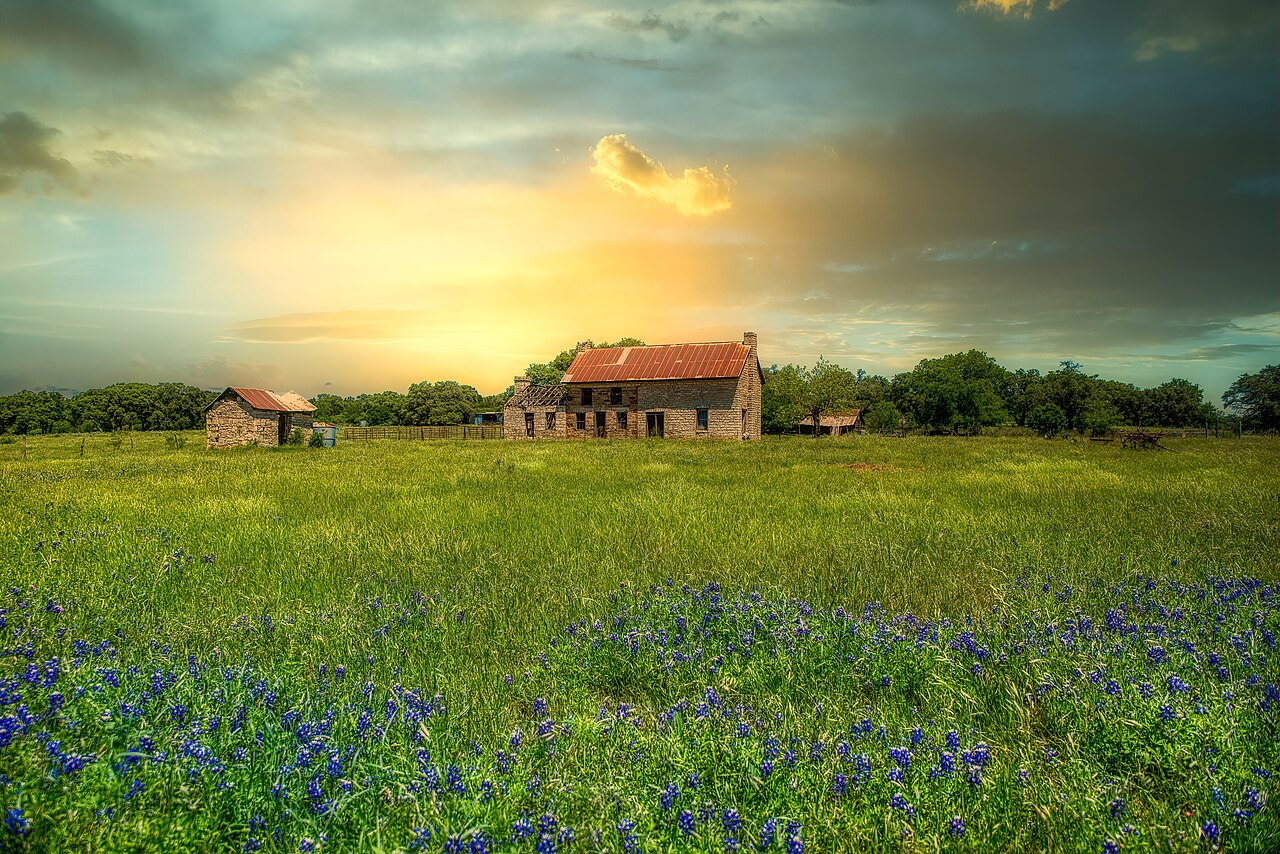
Leaving Marble Falls heading north on US-281, you crest a hill, and there it is: a solitary two-story limestone house sitting in the middle of a field of blue. The Dorbandt House was built in 1853 by Danish immigrant Christian Dorbandt, and it has been the single most photographed house in the Texas Hill Country for decades. During peak bloom, the field between the house and the highway fills with bluebonnets, creating a composition that is almost absurdly photogenic.
This Is Private Property
The Bluebonnet House is on private land. Do not walk onto the property, climb fences, or approach the house. Photograph from the highway shoulder or the designated pullover area on the west side of US-281. The owners have been generous in allowing roadside photography — don't ruin it by trespassing.
Photo tip: Late afternoon light turns the limestone house golden. Shoot from the west side of the highway for the best angle with bluebonnets in the foreground.
This isn't a destination — it's an experience. The Willow City Loop is a 13-mile stretch of county road between Fredericksburg and Llano that winds through some of the most beautiful ranchland in the Hill Country. During peak bloom, the roadsides and surrounding pastures fill with bluebonnets, Indian paintbrush, and a dozen other wildflower species. You drive slowly with the windows down, pull over when something catches your eye, and generally just soak it in.
A few things to know: this is a narrow, two-lane road through active ranch country. There is no shoulder in most places. Slow down, use pulloffs where they exist, and do not trespass onto private ranch land. The loop is one-way during peak season to manage traffic.
Photo tip: The light is best in the first two hours of morning. Bring a telephoto lens — some of the best scenes are across fence lines on private land, and a longer lens lets you compress the foreground flowers with distant hills.
Combine with Fredericksburg
Willow City Loop is just 15 minutes north of Fredericksburg. Make a day of it: morning drive on the Loop, lunch on Main Street, afternoon at a winery. The drive itself takes about 45 minutes without stops (but you'll stop).
Ennis, Texas — about an hour northeast of Austin — is the self-proclaimed "Bluebonnet City of Texas," and it has the goods to back up the claim. The Ennis Bluebonnet Trail is a mapped driving route (40+ miles of backroads) through the surrounding countryside that the city updates annually based on where the best blooms are. You pick up a trail map at the Ennis Visitors Center or download it from their website, and then you drive.
The Bluebonnet Trail festival happens each April, but you don't need to wait for the festival — the mapped routes are available throughout bloom season. The countryside around Ennis is particularly productive for bluebonnets because of the Blackland Prairie soil, which supports denser wildflower growth than the rocky Hill Country terrain.
Photo tip: The Blackland Prairie produces incredibly dense stands. Look for fields where bluebonnets meet red Indian paintbrush — the color contrast is stunning.
Pedernales Falls State Park
Corey Leopold via Wikimedia Commons (CC BY 2.0)
Pedernales Falls is primarily known for its dramatic limestone waterfall, but the park's 5,200 acres of Hill Country terrain also produce wildflower displays in spring. The bluebonnets here won't rival Muleshoe Bend for density, but the combination of wildflowers, waterfall, river pools, and rugged terrain creates photographic variety that no single-purpose bluebonnet field can match.
The falls themselves are spectacular year-round, and during spring you can often find wildflowers growing in the grasslands above the river corridor. The 7.5-mile Juniper Ridge Trail and the Wolf Mountain Trail pass through meadows that bloom in good years.
Distance from Austin: ~45 miles (about 50 minutes)
Photo tip: Visit the falls first for the iconic shot, then hike the grassland trails for wildflowers. The two subjects are in different parts of the park — budget time for both.
You've found the field. The flowers are peak blue. Now what? Here's how to come home with photos you'll actually print.
Timing Is Everything
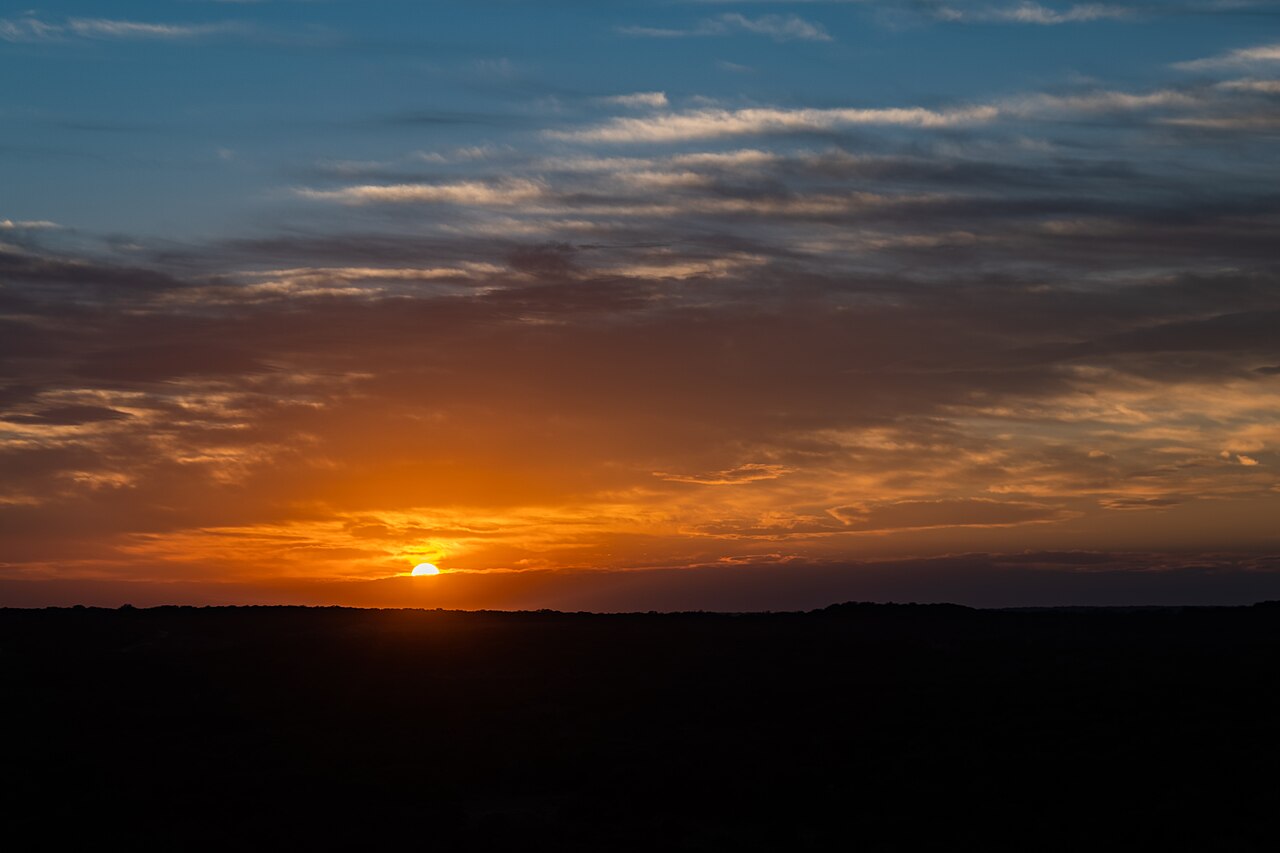
Golden hour — the first hour after sunrise and the last hour before sunset — transforms bluebonnet photos from flat snapshots to images with warmth, depth, and dimension. The low-angle sunlight rakes across the flower tops, creates long shadows, and gives the blue petals a luminous glow that midday sun completely flattens.
If you can only go once: sunrise is better than sunset. The morning light is warmer, the flowers are dewier, and you'll beat the crowds by hours.
Get Low
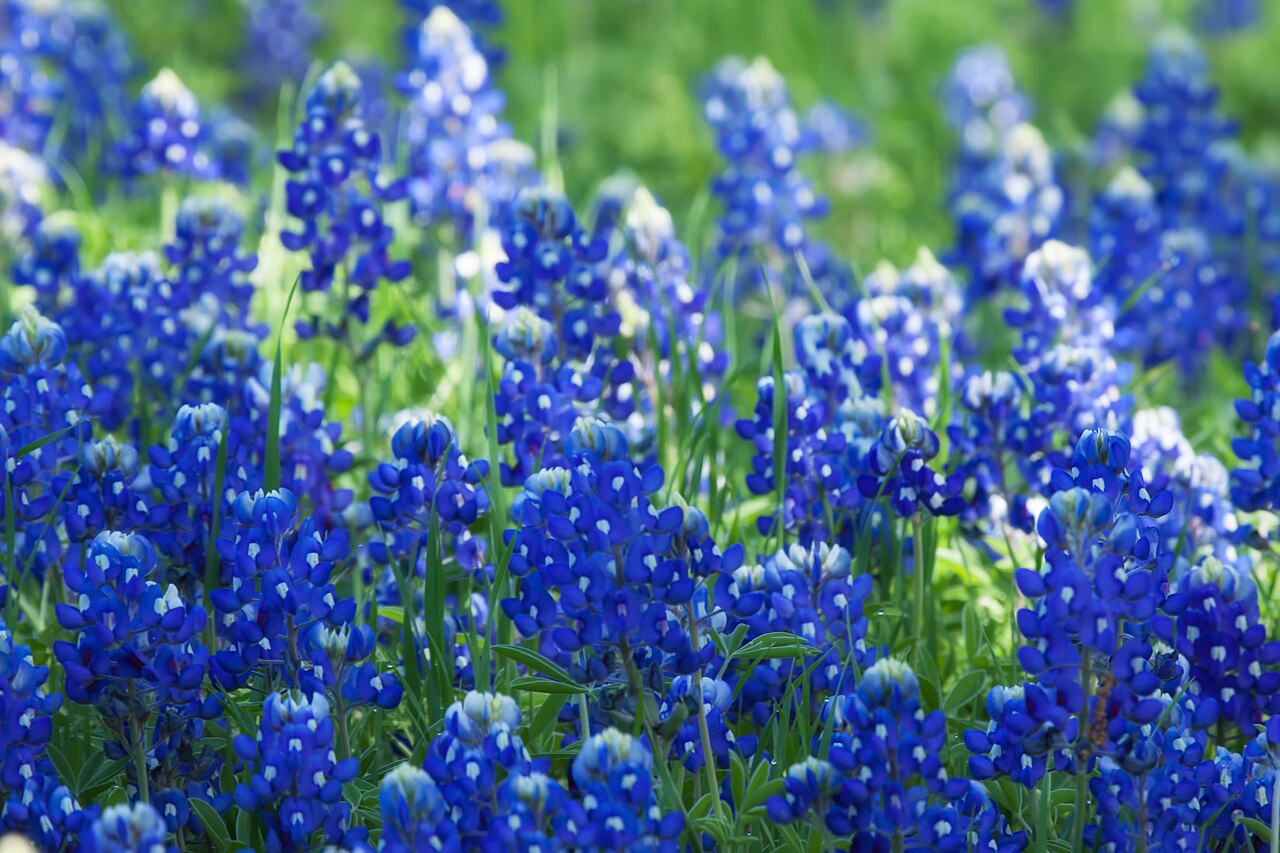
This is the single most important technical tip. Stand above a bluebonnet field and shoot down, and you get a boring photo of the tops of flowers. Get your camera or phone at flower level — knees on the ground, arms extended, lens 12 inches off the dirt — and suddenly the flowers become a foreground that stretches to the horizon. The perspective shift is dramatic.
On a phone, turn it upside down so the lens is at the bottom edge, closer to the ground. On a camera, use a flip-out screen or shoot blind at ground level.
Clothing and Positioning (Especially Kids)
Dress in warm tones. White, cream, light blue, and soft yellow photograph beautifully against bluebonnets. Avoid neon, black, or busy patterns.
For kid portraits, use a longer focal length (2x or 3x zoom on a phone) from further back. The telephoto compression makes the flower field look denser and wraps the subject in blue. Close-up wide-angle shots spread the flowers out and show gaps.
Sit your subject down. A kid sitting in the bluebonnets is surrounded by color. A kid standing in them has flowers at their shins.
What NOT to Do
Watch for Fire Ants and Snakes
Bluebonnet fields are also fire ant territory. Before sitting down or placing a child in the flowers, check the ground for ant mounds. They're everywhere, they're hard to see in tall flowers, and fire ant bites are no joke — especially on a toddler. Also keep an eye out for snakes, which are active in spring. Wear closed-toe shoes, watch where you step, and stay on visible ground.
Don't crush the flowers. Stay on paths where they exist. If you're walking into a field, step carefully and minimize your footprint. These are wildflowers, not a lawn.
Don't pick them. Despite popular belief, it's not technically illegal to pick bluebonnets in Texas (there is no specific law against it), but it's strongly discouraged by Texas Parks and Wildlife. Picked flowers die within hours and don't reseed. Leave them for the next family.
Don't leave trash. This should go without saying, but every spring, popular bluebonnet spots end up littered with water bottles and snack wrappers. Pack it out.
Get your camera at flower level — knees on the ground, lens twelve inches off the dirt — and suddenly the flowers become a foreground that stretches to the horizon.
Bloom Trackers and Live Updates
Knowing where to go is half the battle. Knowing when is the other half. These resources will keep you from wasting a Saturday on a field that hasn't bloomed yet or one that peaked last week.
Texas Wildflower Sightings — Community-reported bloom sightings organized by region and date. Covers the entire state.
Instagram: Search #texasbluebonnets, #austinbluebonnets, #bluebonnetseason for real-time photos. Sort by "Recent" to see what's blooming today.
Facebook Groups: "Texas Wildflower Sightings" and "Austin Area Bluebonnets" are active communities where people share locations and bloom updates daily during spring.
When to Check
Start monitoring in early March. By mid-March, you should have a good sense of whether it's going to be an early, on-time, or late bloom year. Check weekly until you see reports of peak bloom in your target area, then go within 3-4 days.
If you want portraits that go beyond phone snapshots — the kind of images that end up framed on the wall and sent to grandparents — consider hiring a professional photographer who specializes in bluebonnet sessions. Austin has dozens, and the good ones book up months in advance for April sessions.
What to Expect
Pricing: Most Austin family photographers charge $300-$600 for a bluebonnet mini-session (20-30 minutes, 15-25 edited images). Full sessions run $500-$1,200+.
Booking: The best photographers start booking bluebonnet sessions in January. If you're reading this in March, check availability immediately — popular photographers sell out.
Location: Most pros have scouted private locations and will handle logistics. You show up, they direct.
Finding a Photographer
Search "Austin bluebonnet photographer" or "Austin family photographer" and look at recent spring portfolios
Ask in local Facebook parenting groups (Austin Moms, North Austin Moms) — members share photographer recommendations every spring
DIY vs. Pro: A Realistic Assessment
A modern smartphone at golden hour, with good positioning, will produce surprisingly good bluebonnet photos. Where a professional earns their fee is in posing, dealing with uncooperative kids, knowing the exact best angle at their scouted location, and professional editing. If your family cooperates well for photos and you follow the tips above, DIY is excellent. If your three-year-old melts down in front of cameras, a pro who shoots kids daily is worth every penny.
Interested in painting the bluebonnets instead of photographing them? Check out our guide to adult art classes and workshops in Austin — several studios offer spring plein air painting sessions.
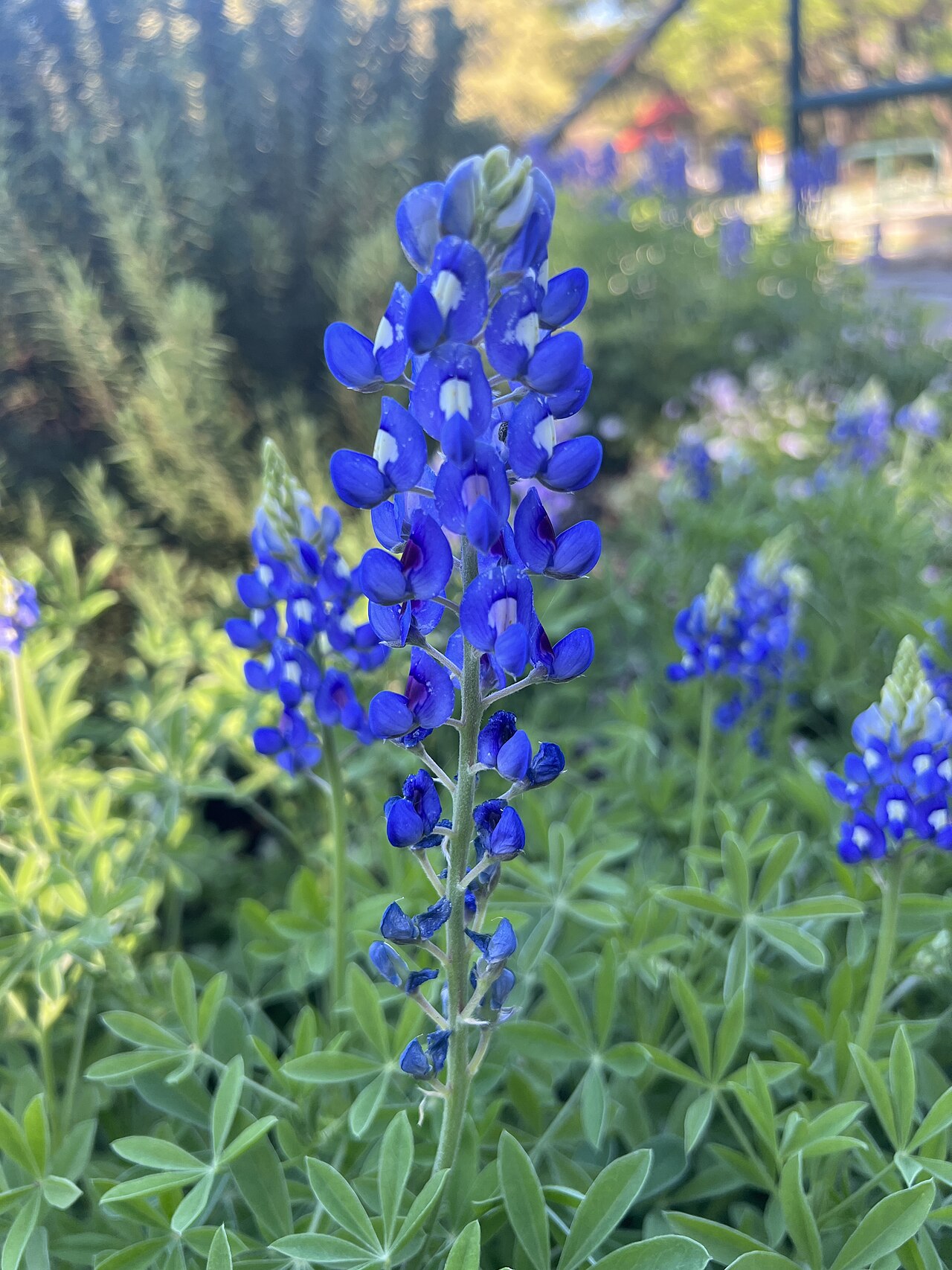
The Texas bluebonnet (Lupinus texensis) has been the state flower since 1901, when the Texas Legislature settled a heated debate by choosing it over the cotton boll and the prickly pear cactus. (The cactus lobby was apparently fierce.) Technically, the Legislature designated Lupinus subcarnosus — the sandyland bluebonnet — but in 1971 they expanded the designation to include all bluebonnet species native to Texas, including the far more common L. texensis that produces the fields we photograph.
Why Some Years Are Better Than Others
Bluebonnets are winter annuals. Seeds germinate in fall (October-November), grow as rosettes through winter, and bloom in spring before setting seed and dying. The quality of a given spring's bloom depends on:
Fall rainfall: Seeds need moisture to germinate. Dry falls mean fewer plants.
Winter temperatures: Cool but not freezing winters produce the healthiest rosettes. Hard freezes can kill young plants.
Spring rainfall: Too little rain and the flowers are stunted. Too much rain and the plants get leggy and fall over.
Temperature timing: A warm spell in late February can trigger early, short blooms. Steady, gradual warming produces the longest, most abundant displays.
The Wildflower Companions
Bluebonnets rarely bloom alone. During peak season, look for:
Indian paintbrush (Castilleja indivisa) — The red-orange companion that creates the iconic Texas color combination
Pink evening primrose (Oenothera speciosa) — Pink cups that bloom alongside bluebonnets in meadows
Texas yellow star (Lindheimera texana) — Bright yellow daisy-like flowers that often share the same fields
Wine cups (Callirhoe involucrata) — Deep magenta ground-cover flowers
TxDOT and the Roadsides
Those bluebonnets you see along Texas highways aren't entirely wild. The Texas Department of Transportation has been seeding highway rights-of-way with wildflower seeds since the 1930s, a program that Lady Bird Johnson championed and expanded. TxDOT plants approximately 33,000 pounds of wildflower seed annually. So when you're admiring bluebonnets from the highway, you're seeing a collaboration between nature and deliberate policy that's been running for nearly a century.
When is bluebonnet season in Austin?
Bluebonnet season in Central Texas typically runs from mid-March through late April, with peak bloom usually occurring during the first two weeks of April. The exact timing varies by year based on fall/winter rainfall and spring temperatures. Check the Lady Bird Johnson Wildflower Center bloom report for current conditions.
Is it illegal to pick bluebonnets in Texas?
No. Despite the widespread belief, there is no specific Texas law making it illegal to pick bluebonnets. However, it is illegal to trespass on private property to pick them, and it's illegal to damage or collect plants in state parks or on other protected land. More importantly, picked bluebonnets wilt within hours and don't reseed. Texas Parks and Wildlife strongly discourages picking them.
What is the best time of day to photograph bluebonnets?
The first hour after sunrise and the last hour before sunset (golden hour) produce the best light for bluebonnet photography. The low-angle sun creates warm tones, long shadows, and a luminous quality that midday light cannot replicate. Sunrise is generally preferred because the flowers are fresh and the crowds haven't arrived.
Can I bring my dog to bluebonnet fields?
It depends on the location. State parks (McKinney Falls, Pedernales Falls) allow leashed dogs on trails. Muleshoe Bend allows leashed dogs. The Wildflower Center does not allow dogs. Public parks like Sheffield and Old Settlers allow leashed dogs. Always check the specific location's pet policy before visiting.
What should I wear to a bluebonnet field?
Closed-toe shoes are essential — fire ants and snakes are active in spring wildflower fields. Wear long pants if you'll be walking through tall grass. For photos, warm-toned clothing (white, cream, soft blue, light yellow) photographs best against the blue flowers. Avoid neon colors, black, and busy patterns.
Where is the best bluebonnet spot near Austin?
Muleshoe Bend Recreation Area (30 minutes west of Austin) offers the most dramatic bluebonnet displays near the city — 654 acres of wildflower fields with Lake Travis views. Within Austin city limits, the Lady Bird Johnson Wildflower Center is the most reliable spot with guaranteed curated blooms every spring.
Do I need to pay to see bluebonnets?
Most of the best locations are free. Only the Lady Bird Johnson Wildflower Center ($12), McKinney Falls State Park ($6), Pedernales Falls State Park ($6), and Muleshoe Bend ($5) charge admission. The Marble Falls Bluebonnet House, Willow City Loop, Ennis Bluebonnet Trail, and several other excellent spots are completely free.
How long does the bluebonnet bloom last?
Individual bluebonnet plants bloom for about 3-4 weeks. A field's peak bloom — when the maximum number of plants are flowering simultaneously — typically lasts 10-14 days. After peak, flowers begin browning and setting seed. The entire season from first blooms to last is roughly 4-6 weeks.
Can I plant bluebonnets in my yard?
Yes. Texas bluebonnet seeds are widely available at garden centers and online (Amazon carries multiple varieties). Plant seeds in fall (September-November) in well-draining soil with full sun. Scarify seeds with sandpaper before planting to improve germination. They're native, drought-tolerant, and require no maintenance once established. The Lady Bird Johnson Wildflower Center has detailed growing instructions.
Are bluebonnets only in Texas?Lupinus texensis (the Texas bluebonnet) is native exclusively to Texas. However, the broader lupine genus includes hundreds of species worldwide. Texas has six native bluebonnet species. The Big Bend bluebonnet (Lupinus havardii) grows up to 3 feet tall in West Texas, while the sandyland bluebonnet (Lupinus subcarnosus) favors sandy East Texas soils. The species we photograph in Central Texas fields is almost always L. texensis.
This guide is updated annually as conditions change. Last updated March 2026. Have a favorite bluebonnet spot we missed? Contact us and we'll scout it.