
Austin is one of the best cities in America to homeschool your kids. Not because it's easy — though Texas makes the legal part remarkably simple — but because the infrastructure here is genuinely world-class. Fifteen-plus co-ops spanning every philosophy from classical Christian to secular STEM. Museums that run dedicated homeschool programming. Nature schools in the Hill Country. A performing arts academy that distributes $85,000 in annual scholarships to young artists. And as of 2025, a state government that deposits $2,000 per year directly into your education account.
$85,000
A performing arts academy that distributes in annual scholarships to young artists
In This Article
The families who thrive here aren't winging it. They're intentional. They build schedules around their children's strengths, plug into co-ops that match their values, and use Austin's extraordinary cultural resources as an extended classroom. This guide gives you everything you need to do the same — whether you're weighing the decision, withdrawing from public school next month, or five years in and looking to level up.
TEFA Deadline: March 31, 2026
The Texas Education Freedom Act puts $2,000 per student per year into a state-managed Education Savings Account for curriculum, tutoring, therapy, and extracurriculars. Applications for the 2026-2027 school year close March 31. Apply now through TEA — this is real money with a real deadline.
The Texas Education Freedom Act puts $2,000 per student per year into a state-managed Education Savings Account for curriculum, tutoring, therapy, and extracurriculars.
Apply now through TEA — this is real money with a real deadline.
What You'll Find in This Guide
- Texas law in 5 minutes — no registration, no testing, no credentials. Five requirements, and you're legal.
- 15+ co-ops compared side by side — secular, faith-based, classical, hybrid. Schedules, ages, costs, and honest takes on each.
- Field trip cheat sheet — 10 museums and cultural sites with pricing, best ages, and which ones are free.
- Year-round programs — performing arts, creative writing, nature schools, STEM, and music, all with homeschool-specific scheduling.
- Sports leagues, select athletics & camps — from homeschool basketball to MLS youth academy to summer wilderness camps.
- College prep timeline — dual credit at ACC, SAT/ACT access, transcript tools, and which TX universities actively recruit homeschoolers.
- How to start this week — the three concrete steps to take in your first seven days.
Texas Law: What You Actually Need to Know
Texas is one of the most homeschool-friendly states in the country, and the legal framework is simpler than most people expect. There is no bureaucratic maze. No annual inspections. No waiting for permission. Once you understand five straightforward requirements, you are legally homeschooling — and the state has no further claim on your time.
The Five Requirements
In Texas, homeschools are treated as private schools under state law. The Texas Supreme Court established this in Leeper v. Arlington ISD (1994), and the ruling has never been successfully challenged. Your homeschool must meet five requirements:
- The instruction must be bona fide — meaning you're genuinely teaching, not simply keeping your children home. This is a good-faith standard, not a bureaucratic one.
- You must cover five subjects: reading, spelling, grammar, mathematics, and good citizenship. Beyond these five, you have complete curricular freedom.
- The curriculum must be in visual form — books, workbooks, online courses, videos, worksheets. This sounds restrictive but it's not — virtually every curriculum on the market qualifies, including digital programs.
- You do not need to register with the state, your school district, or any government agency. There is no homeschool registry in Texas.
- There are no required standardized tests, no mandatory assessments, no attendance tracking, and no annual portfolio reviews.
That's the entire legal framework. No teaching credentials required. No curriculum approval process. No reporting to anyone. Texas trusts parents to educate their children, and the legal structure reflects that trust completely.
How to Withdraw from Public School
If your child is currently enrolled in a Texas public school, you'll need to submit a written withdrawal letter to the school. The letter should state:
- The effective date of withdrawal
- That you intend to homeschool under Texas private school law
- That your curriculum will cover the five required subjects in a bona fide manner
Send it via certified mail and keep a copy. Some districts may push back or ask for additional documentation — but the law is clear: you do not need their permission. The letter is a notification, not a request.
TEFA: $2,000 Per Year, Per Student
In 2025, Texas passed the Texas Education Freedom Act (TEFA), creating Education Savings Accounts (ESAs) for families who homeschool or attend private school. Every eligible student receives $2,000 per year deposited into a state-managed account. The funds can be used for:
- Curriculum, textbooks, and educational materials
- Online courses and private tutoring
- Educational therapy and specialized services
- Standardized testing fees
- Qualifying extracurricular programs (including some sports and arts)
The application process is straightforward — you'll need to verify your identity, confirm your child's enrollment status, and agree to basic progress reporting. The reporting requirements are minimal compared to states like New York or Pennsylvania: you confirm your student is making educational progress, and that's essentially it.
TEFA Application Deadline: March 31, 2026
Applications for the 2026-2027 TEFA Education Savings Account close on March 31, 2026. If you're reading this before that date, apply now through the Texas Education Agency. The process takes about 15 minutes, the money is real, and there is no reason to leave $2,000 per child on the table.

Co-ops Compared
Co-ops are the social and academic backbone of homeschooling in Austin. They solve the socialization question completely — your children will have more friends, more diverse experiences, and more collaborative learning opportunities than most traditionally schooled kids. The real challenge isn't finding community; it's choosing which community.
Austin has co-ops for every philosophy and schedule. Secular families, Christian families, classical education enthusiasts, nature-based learners — there's a co-op built around your values. Most meet one or two days per week, and many families belong to two or three simultaneously, mixing a secular enrichment co-op on Mondays with a faith-based academic program on Wednesdays.
How to Choose a Co-op
Visit at least three before committing — most offer a free trial day or open house. Pay attention to the parents as much as the program. You'll spend a lot of time with these families, and the cultural fit matters as much as the curriculum. Don't feel locked in: switching or adding co-ops mid-year is common and accepted.
Secular Co-ops
| Co-op | Schedule | Ages | Model | Cost |
|---|---|---|---|---|
| AAH Friday Co-op | Fridays | K-12 | Parent-taught | Low (membership + class fees) |
| Austin Monday Co-op | Mondays | K-12 | Parent-taught (4-H) | Low |
| Agora Community | Varies | 5+ | Discussion-based | Per-class tuition |
| SPARK Austin | Mon/Thu | K-8 | Nature enrichment | Membership + class fees |
| NATC | Thursdays 12:30-4 PM | K-12 | Parent-coached | Low per-session |
AAH (Austin Area Homeschoolers) is the default starting point for most new families — the oldest and largest secular homeschool organization in Austin, with several hundred active families. The Friday schedule means you can pair it with a Monday or Tuesday co-op without conflicts. Classes are parent-taught, community is welcoming to all philosophies, and the annual events (including a homeschool prom) are well-organized.
Agora is where you go for academic rigor without a religious framework. It skews toward middle and high school students who want discussion-based humanities, lab sciences, and college-prep writing — the kind of classes that are genuinely hard to teach well at home alone. If your teenager is intellectually ambitious and secular, Agora is the first place to look.
SPARK is strongest for elementary-aged kids who thrive with hands-on creative and nature-based projects. The vibe is collaborative rather than competitive, with a focus on project-based learning and outdoor time.
Faith-Based Co-ops
| Co-op | Schedule | Ages | Model | Cost |
|---|---|---|---|---|
| TREA | Up to 4 days/week | Pre-K-12 | Christian enrichment | Per-course |
| One Day Academy | 1 day/week | K-12 | Christian hybrid | Monthly tuition |
| GROW Co-op | Weekly | K-8 | Charlotte Mason | Membership |
| CCHSA | Wednesdays 8:15-3 PM | K-12 | Classical Christian (trivium) | Annual tuition |
| Classical Conversations | 1 day/week | Pre-K-12 | Classical, memory-intensive | $1,500-$2,500/yr |
| Veritas Academy | Tue/Thu | K-12 | University-Model | $4,000-$7,000/yr |
Veritas Academy is more than a co-op — it's a full University-Model school with grades, transcripts, and a diploma. Students attend Tuesday and Thursday and complete assignments at home the other three days. This is the option for families who want institutional structure and a clear college-prep track within a Christian framework.
CCHSA (Classical Christian Home School of Austin) follows the trivium — grammar, logic, and rhetoric. If your family is drawn to the Great Books, Latin, formal logic, and the Western intellectual tradition, this is the Austin option. Small classes, rigorous expectations, and a community that takes both faith and academics seriously.
Classical Conversations is a national program with multiple Austin-area communities. The curriculum is highly structured and memory-intensive, organized around three phases (Foundations, Essentials, Challenge). Some families love the structure; others find it rigid. The national community is strong, and the local meetups provide consistent social connections.
Veritas & One Day Fill Fast
Both Veritas Academy and One Day Academy maintain waitlists. If you're considering either for fall enrollment, make contact by January at the latest. Veritas in particular fills early because it offers full transcripts and a diploma — a feature most co-ops don't provide.
Hybrid & Micro-Schools
| School | Schedule | Ages | Model | Cost |
|---|---|---|---|---|
| AHB Community School | Mon-Thu 9-2:30 | K-8 | Project-based | Contact |
| Austin Rising School | 1-3 days/week | 7-14 | Cooperative, project-based | Affordable |
| Hedge School | Mon-Thu (2 or 4 day) | 8th-12th | Secular, student-centered | $600-$900/mo |
| Sterling Classical | 2-4 days/week | Pre-K-12 | Classical Christian | Contact |
| Acton Academy | 5 days/week | K-12 | Learner-driven, Socratic | $8,000-$12,000/yr |
AHB Community School is Austin's oldest project-based micro-school, admitting 80-90 students per year at a 10:1 student-teacher ratio. The balance of targeted academics (math, reading, writing) with theme-based projects (science, history) makes it one of the most thoughtfully designed programs in the city.
Hedge School is the strongest option for high schoolers seeking a secular micro-school — founded by an educator with 15 years of experience, offering both in-class and online options from their Dripping Springs campus. The 2-day and 4-day schedules give families genuine flexibility.
Acton Academy is part of a national network of learner-driven schools. Students run their own learning through quests (long-term projects) and Socratic discussions. No grades, no lectures. Acton is polarizing — families either embrace the radical autonomy or find it too unstructured — but the students who thrive here develop remarkable self-direction.

Field Trips: Museums & Cultural Sites
One of the profound advantages of homeschooling in Austin is that the city itself becomes your classroom. Austin's museums and cultural institutions have recognized the homeschool community as a serious audience, and most now offer discounted or free programs, dedicated homeschool days, and curriculum-aligned guided experiences. Your children won't just read about the Civil Rights Act — they'll stand in a replica of the Oval Office where it was signed. They won't just study paleontology — they'll look up at a 30-foot pterosaur replica at the Texas Memorial Museum.
Field Trip Quick Reference
| Venue | Free? | Ages | Best For | Cost |
|---|---|---|---|---|
| Bullock Texas State History Museum | Free 4x/year | 6+ | Texas history, Alamo | $13/$9 regular |
| LBJ Presidential Library | Always free | 10+ | Civil rights, 1960s history | Free |
| Pioneer Farms | No | 5-12 | Living history, hands-on | $12 |
| Texas State Capitol | Always free | 8+ | Civics, government | Free |
| Austin Nature & Science Center | Free (program fees extra) | 5-12 | Ecology, wildlife | Free |
| Thinkery | No | 3-8 | STEM, maker culture | $16 |
| Lady Bird Johnson Wildflower Center | No | All ages | Botany, ecology | $12/$6 |
| Texas Memorial Museum | Always free | 5+ | Dinosaurs, paleontology | Free |
| Blanton Museum of Art | Free Thursdays | 8+ | Art history, guided tours | $15/$5 |
| UMLAUF Sculpture Garden | Free (AISD students) | All ages | Sculpture, outdoor art | $7/$3 |
What to Prioritize
For history units: Start at the Bullock — three floors of Texas history from prehistoric times through the space age, plus an IMAX theater and a permanent Alamo exhibit that alone justifies the trip. The museum offers free admission four times per year on Community Days; arrive when doors open at 10 AM and start on the third floor (most families start on the first, so you'll have the top floor to yourselves). The LBJ Presidential Library is essential for any American history curriculum — the Civil Rights exhibits are extraordinary, the Oval Office replica is unforgettable, and it's always free.
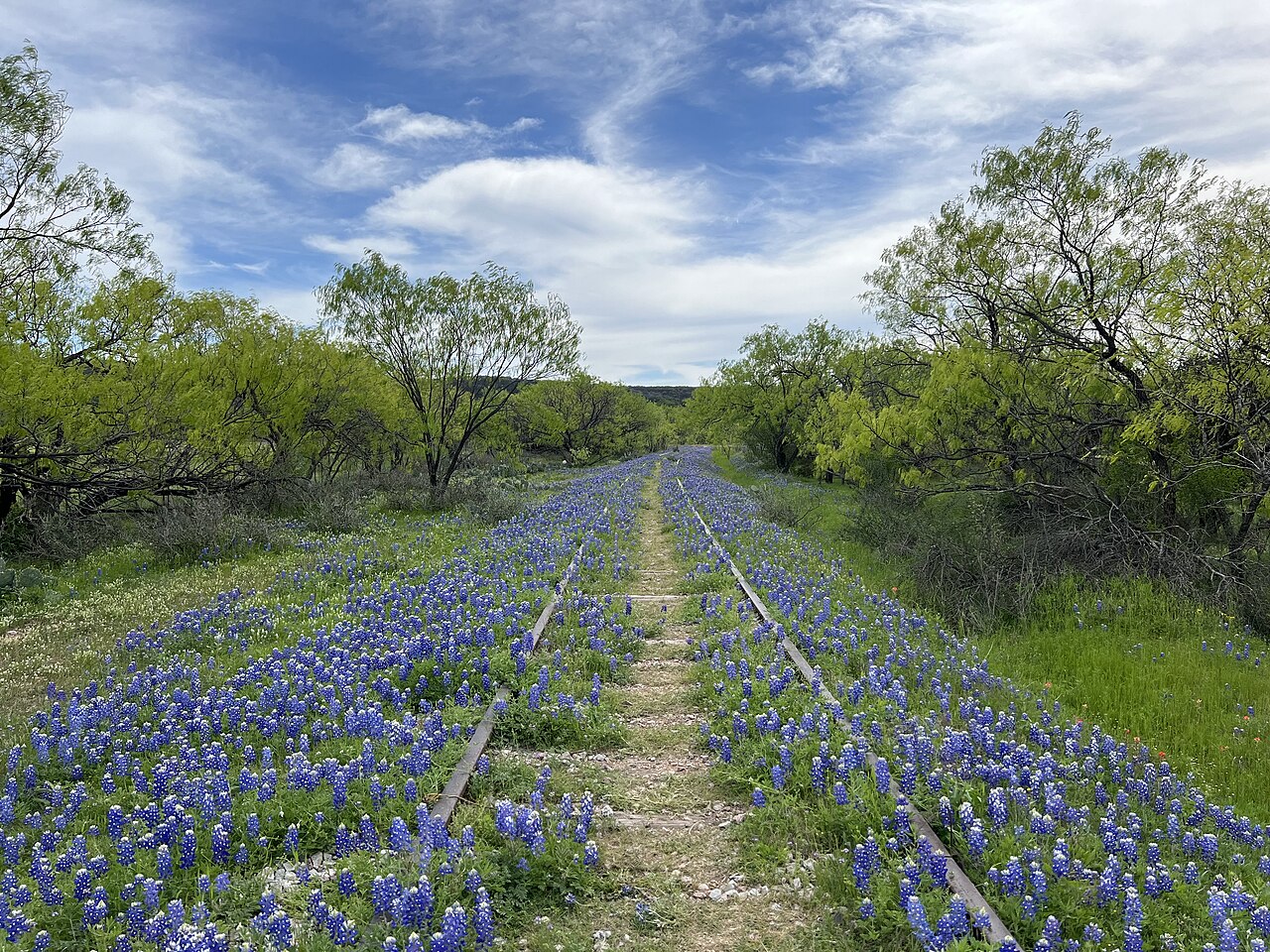
For science units: The Austin Nature & Science Center runs dedicated Homeschool Discovery Days with structured programs in ecology and geology — but register the day they post, because slots fill within 48 hours. Follow them on Instagram for the earliest announcements. The Wildflower Center is a botany classroom disguised as a garden; plan a visit during bluebonnet season (late March through April) and combine it with sketching exercises for a full-day science and art field trip.
For art and culture: The Blanton Museum of Art is the largest university art museum in the United States, and their education team will tailor guided tours to your curriculum — Renaissance art for a history unit, Latin American art for a Spanish language unit, contemporary art for critical thinking. Free on Thursdays. Don't miss the Ellsworth Kelly Austin chapel — a purpose-built temple of light and color that transcends age.
Capitol During Session
If you can time a Capitol visit during a legislative session (odd-numbered years, January through June), your kids can watch the Texas Legislature in action from the public gallery. Free guided tours run every 30-45 minutes with no reservation required.
Austin Art Insider
Free weekly guide to galleries, exhibitions & collecting in Austin.
For more museum options, see our guide to the history of art in Austin and our guide to Austin's sculpture gardens and public art.
Year-Round Programs
Beyond co-ops and field trips, Austin has an unusually deep bench of year-round programs designed specifically for homeschool families. What makes these programs valuable isn't just their quality — it's their scheduling. Many run during traditional school hours, specifically because they're built around the homeschool calendar. Your child can study theater on Tuesday mornings, wilderness skills on Wednesday afternoons, and robotics on Thursdays — assembling a curriculum that no single school could offer.
Performing Arts
| Program | What | Ages | Cost | Link |
|---|---|---|---|---|
| ZACH Theatre Academy | Acting, musical theater, improv, stagecraft | 3-18 | Varies ($85K+ in aid) | zachtheatre.org |
| kidsActing Studio | Acting, musical theater | 4-18 | ≈$200/session | kidsactingstudio.com |
| Ballet Austin | Classical ballet (counts as PE credit) | 3-adult | Varies | balletaustin.org |
ZACH Theatre is the standout performing arts program in Austin — and arguably in the state. Austin's oldest continuously running professional theater company operates a full-scale academy with dedicated homeschool classes during school hours. Students study acting, musical theater, improv, and stagecraft with professional instructors whose credits include Broadway, film, and national tours. The instruction rivals any private performing arts conservatory.
$85,000 in Annual ZACH Scholarships
ZACH Theatre distributes over $85,000 in financial aid annually, and homeschool students are fully eligible. If your child has any interest in theater — even casual interest — this should be your first call. The combination of professional instruction, daytime scheduling, and generous financial aid makes ZACH one of the highest-value programs in the Austin homeschool ecosystem.
Ballet Austin deserves mention for a practical reason beyond the obvious artistic one: dance classes count as PE credit under Texas homeschool law. Any structured physical activity meeting a minimum weekly threshold qualifies, and Ballet Austin's classical training is as rigorous as any athletic program.
Creative Arts & Writing
| Program | What | Ages | Cost | Link |
|---|---|---|---|---|
| Figment Creative Labs | Daily homeschool program: art, design, engineering | 5-14 | ≈$80/day | figmentcreativelabs.com |
| Austin Bat Cave | Creative writing workshops, clubs, mentorship | 6-18 | FREE | austinbatcave.org |
| Art Plus Academy | Drawing, painting, sculpture (skill-focused) | 5-18 | ≈$150/mo | artplusacademy.com |
Austin Bat Cave is one of the most remarkable resources in Austin and it costs nothing. Every program — workshops, writing clubs, one-on-one mentorship, publishing support — is completely free. The mentors are published authors who teach young writers (ages 6-18) to develop their voice, craft stories, and see their work in print. If your child writes or wants to write, this is an extraordinary gift.
Figment Creative Labs runs a dedicated daily homeschool program in East Austin — a full-day creative lab where kids work on art, design, engineering, and maker projects with professional artists. It's structured enough to feel purposeful but flexible enough to follow a child's curiosity. One of the best daily options for families who want consistent creative programming outside the home.
Outdoor & Nature Schools
| Program | What | Ages | Cost | Link |
|---|---|---|---|---|
| Earth Native Wilderness School | Wilderness skills, ecology, outdoor leadership | 4-17 | $300 reg + $221/mo | earthnativewildernessschool.com |
| Natureversity | Forest school, nature clubs, camps | 4-14 | Varies (scholarships available) | natureversity.org |
| Travis Audubon Society | Birding walks, nature education | All ages | FREE | travisaudubon.org |
Earth Native is the gold standard for nature-based education in Austin. Their homeschool programs run during school hours and cover real wilderness skills — shelter building, plant identification, animal tracking, compass navigation. The instruction is serious and the Hill Country setting is spectacular. This isn't a nature walk; it's an education in the natural world.
STEM
| Program | What | Ages | Cost | Link |
|---|---|---|---|---|
| Austin STEM Center | Robotics, coding, engineering (23,000 sq ft) | 5-18 | Varies | austinstemcenter.com |
| Girlstart | STEM for girls (3x more likely to take advanced science) | K-8 | Free/low-cost | girlstart.org |
| Snapology | LEGO, robotics, hands-on building | 3-14 | ≈$150/session | snapology.com |
Music
| Program | What | Ages | Cost | Link |
|---|---|---|---|---|
| School of Rock | Performance-based (bands + live shows) | 7-18 | ≈$200/mo | schoolofrock.com |
| Musicians Woodshed | Private lessons, group classes | 5-adult | ≈$40/lesson | musicianswoodshed.com |
| Capital City Suzuki | Classical Suzuki method (violin, cello, piano) | 3-18 | Varies | capitalcitysuzuki.org |
| Austin Youth Orchestra | Ensemble experience (audition-based) | 6-18 | Varies | austinyouthorchestra.org |
The Suzuki method works particularly well for homeschool families because it's built on parent involvement — the parent learns alongside the child, reinforcing practice at home. If your family values classical music training and you want your child to start young, Capital City Suzuki is the most respected program in Austin.
Sports, PE Credit & Camps
PE Credit Under Texas Law
Texas homeschool law doesn't formally mandate PE, but if you're building a transcript for college applications — and you should be — you'll want PE credits on it. The good news: any structured physical activity program qualifies. The general benchmark is 100+ minutes per week of intentional physical activity. You track it, you log it, you put it on the transcript. There's no external verification.
This means Ballet Austin counts. Martial arts counts. Competitive swimming counts. And here's the financial angle: many families use TEFA funds to cover these programs, which means the state is effectively paying for your child's PE credit through activities they actually enjoy.
TEFA + PE Credit
Ballet Austin, martial arts studios, swim teams, and gymnastics programs all qualify as PE credit under Texas homeschool law. Use TEFA funds to cover tuition — you're getting paid to give your child PE credit through activities they love. Budget-wise, this is one of the smartest uses of TEFA money.
Homeschool Sports Leagues
One thing every new homeschool family needs to know: Texas does not allow homeschool students to play on public school sports teams. There is no "Tim Tebow law" in Texas. Your child cannot try out for the local high school football or volleyball team, and they're excluded from UIL (University Interscholastic League) activities entirely.
This matters — but Austin has built its own answer. The city's homeschool sports leagues offer competitive team athletics across every major sport, from elementary through high school.
| League | Sports | Faith/Secular | Ages | Link |
|---|---|---|---|---|
| Austin Royals | Basketball, volleyball, soccer, track, football, baseball, softball, cheer | Secular | K-12 | austinroyals.org |
| THESA Riders | Football, basketball, baseball, volleyball, tennis, track | Faith-based | 6th-12th | thesariders.com |
| HEART of Texas | Multiple sports | Secular | K-12 | heartoftex.org |
| CenTex Christian | Sports + co-op activities | Christian | K-12 | centexchristianhomeschool.com |
| Hill Country Christian | Sports, field trips, community | Christian | K-12 | myhcch.com |
The Austin Royals are the largest and most established program — nine sports, K through 12th grade, and a competitive culture that takes athletics seriously. If your child wants the full team-sport experience, start here.
No Public School Sports for Homeschoolers
Texas does not have a "Tim Tebow law." Homeschool students cannot participate on public school teams or in UIL activities. Plan for this from the beginning — the Austin Royals, THESA, and other homeschool leagues listed above are your child's path to competitive team athletics.

Select Sports & Travel Athletics
For families whose children compete at a higher level, Austin's select and travel sports scene is strong. These programs are open to all students regardless of schooling — your homeschooler can compete alongside traditionally schooled athletes.
| Program | Sport | Ages | Notes |
|---|---|---|---|
| Lonestar SC | Select soccer | U8-U19 | Top competitive club in Austin |
| Austin FC Youth Academy | Soccer development | U13-U17 | MLS pathway program |
| Capital Gymnastics | Gymnastics (recreational + competitive) | 3-18 | Multiple Austin locations |
| Austin Gymnastics Club | Gymnastics (team + individual) | 3-18 | USAG competitive teams |
| YMCA of Austin | Swimming, basketball, volleyball, camps | All ages | Affordable, multiple locations |
Summer & Year-Round Camps
| Camp | Focus | Ages | Season | Link |
|---|---|---|---|---|
| Earth Native | Wilderness skills, nature | 4-17 | Year-round + summer | earthnativewildernessschool.com |
| Westcave Outdoor Discovery Center | Nature, conservation | 5-14 | Summer + school-year | westcave.org |
| ZACH Theatre Summer | Theater, musical theater | 3-18 | Summer | zachtheatre.org |
| The Contemporary Austin | Visual arts camps | 5-15 | Summer | thecontemporaryaustin.org |
| Girlstart Summer Camp | STEM for girls | K-8 | Summer | girlstart.org |
| Austin STEM Center | Robotics, coding, engineering | 5-18 | Year-round + summer | austinstemcenter.com |
College Prep
This is where intentional homeschooling delivers its biggest return. Families who plan early, build real transcripts, and take advantage of Austin's dual-credit and testing resources send their children to UT Austin, Texas A&M, Rice, Baylor, and every other competitive university in the state — not despite being homeschooled, but with advantages that traditionally schooled students don't have.
The key is starting early, being systematic, and knowing the specific pathways that Texas universities have built for homeschool applicants.

The bottom line: In Texas, the parent issues the diploma and creates the transcript. This is not a disadvantage — every major Texas university has an established homeschool admission pathway, and dual credit at ACC starting at age 16 is the single strongest move you can make for college readiness.
The College Prep Timeline
9th Grade: Start a formal transcript immediately. Choose a tool — Transcript Maker, Homeschool Manager, or even a detailed spreadsheet. Log every course, grade, and credit from day one. Begin extracurriculars that demonstrate sustained commitment, not just participation.
10th Grade: Take the PSAT through College Board (homeschoolers register as individuals at local testing centers). Research target schools and reverse-engineer your course list to match their admissions requirements. This is the year to get strategic.
11th Grade: Take the PSAT/NMSQT in October for National Merit eligibility — homeschoolers are eligible and the scholarship money is significant. Take the SAT or ACT (most TX universities still require scores from homeschool applicants even if they're test-optional for others). Begin dual credit at ACC if age-eligible. Start assembling the college application portfolio.
12th Grade: Complete applications. Finalize the transcript. Assemble portfolios for competitive programs (art, music, architecture — Austin's creative programs give homeschoolers a genuine edge here). Parent issues the diploma.
Dual Credit at ACC
Austin Community College offers dual-credit enrollment for students starting at age 16. Your child earns both high school and college credit simultaneously, and ACC's tuition is remarkably affordable. From an admissions perspective, college-level coursework on a homeschool transcript signals readiness more powerfully than almost any other credential — it proves your student can handle the pace, workload, and expectations of a college classroom.
ACC Dual Credit Enrollment Windows
ACC has specific application periods for dual-credit students — the fall window typically opens in March and closes in May. Late applications are not guaranteed placement. Visit austincc.edu/students/dual-credit for current deadlines and don't wait until the last week.
SAT/ACT for Homeschoolers
Register directly through College Board (SAT) or ACT.org. Homeschool students register as individuals and test at local testing centers — no school code is needed and the process is straightforward.
Homeschoolers Still Need Test Scores
Most Texas universities still require standardized test scores from homeschool applicants, even when they've gone test-optional for traditionally schooled students. Register early — popular local testing centers fill up. Target fall test dates (October/November of 11th grade) for the strongest college application timeline.
Transcripts, Portfolios & Target Schools
- Transcripts: Build a detailed document listing courses, grades, credits, and cumulative GPA. The Texas Homeschool Coalition offers free transcript templates that are accepted by every Texas university.
- Portfolios: Competitive programs in art, music, theater, and architecture actively welcome portfolios — and Austin's creative programs (ZACH, Figment, Art Plus, Austin Bat Cave) give homeschool students genuinely strong material to submit. This is one of homeschooling's clearest competitive advantages.
- Homeschool-friendly Texas universities: UT Austin, Texas A&M, Baylor, Rice, Texas Tech, Trinity, and St. Edward's all have established homeschool admission pathways with documented requirements and dedicated admissions contacts.
Special Needs & Neurodiversity
Homeschool students in Texas are not eligible for public school IEP/504 services — but TEFA funds can cover educational therapy, which opens real doors. nonPareil Institute provides tech-focused training for young adults on the autism spectrum. Green Leaf Enrichment offers enrichment classes designed for neurodivergent homeschool students. The Autism Society of Central Texas connects families with therapists, advocates, and support networks.
Getting Started: Your First Week
You don't need to have everything figured out before you begin. Austin's homeschool community is large, organized, and welcoming to newcomers at every stage. Here's what to do in your first seven days.

Your first week: Attend the free monthly meeting at Old Quarry Library (last Thursday, 7-8:30 PM). Join Keep Austin Homeschooling online. Apply for TEFA before March 31. That's three steps — and after them, you're connected, funded, and ready to build your plan.
Three Steps to Start
Attend a "How to Get Started" meeting at the Old Quarry Library, last Thursday of each month, 7:00-8:30 PM. Experienced homeschool parents walk newcomers through legal requirements, curriculum options, and local resources. It's free, no registration is required, and you'll leave with a clear picture of what the path looks like. This single event answers more questions than weeks of internet research.
Join Keep Austin Homeschooling — the central online hub for Austin's homeschool community. Events calendar, resource lists, co-op connections, curriculum swaps, and an active group of parents who answer questions fast. This is where you'll hear about openings, new programs, and the things that don't make it onto official websites.
Apply for TEFA funding before March 31, 2026. The application takes about 15 minutes and the $2,000 per child is yours to spend on curriculum, tutoring, and programs. There is no good reason not to apply.
For families who want more personalized guidance, Alt Ed Austin offers one-on-one consultations and maintains the most comprehensive directory of alternative education options in the Austin area. They know every co-op, every program, and every quirk of the local landscape.
Key Events & Dates
| Event | When | Details |
|---|---|---|
| Old Quarry Library Meeting | Last Thursday monthly, 7-8:30 PM | Free orientation for new homeschool families |
| TEFA Application Deadline | March 31, 2026 | $2,000/student — apply at TEA |
| Great Homeschool Convention | July 9-11, 2026 | Kalahari Resort, Round Rock — biggest event in the region |
| AAH Prom | Annual (spring) | Formal prom for homeschool high schoolers |
| Not Back to School Day | August | Zilker Park picnic — annual Austin tradition |
| Austin Public Library Socials | Ongoing | Book clubs, STEM activities, maker days at branches citywide |
Recommended for Your Kitchen
Frequently Asked Questions
Is homeschooling legal in Texas? Yes. Texas treats homeschools as private schools under Leeper v. Arlington ISD (1994). You must cover reading, spelling, grammar, mathematics, and good citizenship using a curriculum in visual form. No registration, testing, or government approval is required.
Do I need a teaching degree to homeschool? No. Texas has no credentialing requirements for homeschool parents. No teaching certificate, college degree, or specialized training is needed.
Do I have to register with the state or school district? No. There is no homeschool registry in Texas. If your child is currently enrolled in public school, submit a withdrawal letter — but you do not need the district's permission to homeschool.
What is TEFA and how do I apply? The Texas Education Freedom Act (2025) provides $2,000 per year per student in an Education Savings Account for curriculum, tutoring, therapy, and extracurriculars. Apply through the Texas Education Agency before March 31, 2026.
How do homeschool students take the SAT or ACT? Register directly through College Board (SAT) or ACT.org. Homeschool students register as individuals at local testing centers. No school code is needed.
Can homeschool students play on public school sports teams in Texas? Not currently. Texas does not have a "Tim Tebow law." Homeschool students are excluded from UIL activities and public school teams. Austin's homeschool leagues — particularly the Austin Royals and THESA — provide competitive team sports as an alternative.
How do homeschool students get a diploma? The parent issues the diploma. You create the transcript, determine graduation requirements, and sign the diploma. Every major Texas university recognizes parent-issued homeschool diplomas and has established admission pathways for homeschool applicants.
Can homeschool students take community college classes? Yes. Austin Community College offers dual-credit enrollment starting at age 16. Students earn both high school and college credit simultaneously, and it's one of the strongest moves you can make for college readiness.
What about special education services? Homeschool students are generally not eligible for public school IEP/504 services. However, TEFA funds can cover educational therapy, and Austin has organizations specifically serving neurodivergent homeschool students — including nonPareil Institute, Green Leaf Enrichment, and the Autism Society of Central Texas.
How do I find other homeschool families in Austin? Start with Keep Austin Homeschooling (the central online community), attend the monthly meeting at Old Quarry Library, or visit a co-op from this guide. Austin's homeschool community is large and genuinely welcoming — the challenge isn't finding people, it's choosing among the options.
This guide is updated regularly as programs and resources change. Last updated March 2026. Know of a resource we missed? Contact us and we'll add it.
Thinking about taking the homeschool on the road? Read our companion piece — The Austin World School Guide — for the logistics of homeschooling while traveling: Texas domicile mechanics, the internet stack, curriculum that travels, insurance, and the 90-day plan from withdrawal letter to wheels-up.
For more Austin guides, explore our complete guide to the Austin art scene, our guide to movies filmed in Austin, and our guide to hidden gem art galleries.


