Key Takeaways
- Kalahari Resort in Round Rock houses one of Texas's largest curated African art collections
- The collection includes sculptures, masks, textiles, and paintings from across the African continent
- Art is displayed throughout the resort — lobby, hallways, restaurants, and common areas
- Self-guided art tours are free for all guests and day visitors
When you step into Kalahari Resort Round Rock, you're not just entering America's largest indoor waterpark—you're walking through one of the most significant private collections of African art in the United States. With over 1,000 original African art pieces representing an investment of approximately $5.5 million, the Texas location continues the Nelson family's 25-year tradition of bringing authentic African artistry to American audiences.
This comprehensive guide explores the remarkable art collection at Kalahari Resort Round Rock, the talented artists behind the works, and the profound cultural mission that drives this extraordinary curation effort.
The Nelson Family's African Art Legacy
The story of Kalahari's art collection begins in 1997, before the first Kalahari waterpark ever opened in Wisconsin Dells. The Nelson family—owners and operators of Kalahari Resorts—began making regular trips to Africa, not as tourists, but as collectors with a mission.
Direct Artist Relationships
Unlike many corporate art programs that purchase through galleries or auction houses, the Nelson family travels directly to Africa to meet with artists. Travis Nelson, Natasha Lucke, and a dedicated team of 17 officials have made these journeys repeatedly, building relationships with artists in:
- South Africa – Home to vibrant contemporary art scenes and master woodcarvers
- Zimbabwe – Renowned for Shona stone sculpture tradition
- Mozambique – Emerging artistic communities with unique perspectives
- Zambia – Rich textile and craft traditions
- Rwanda – Recovery and renaissance in the arts community
- Botswana – Traditional beadwork and desert-inspired aesthetics
Many transactions occur in open-air markets, connecting directly with individual artisans rather than commercial intermediaries. This approach ensures fair compensation for artists while maintaining authenticity in every piece.
The Journey to Round Rock
The Round Rock collection arrived in late 2020, completing a remarkable six-week voyage from Cape Town, South Africa. The logistical complexity of transporting over 1,000 fragile, valuable art pieces across continents required meticulous planning and specialized handling.
The pieces were strategically placed throughout the 1.5-million-square-foot resort, with each work carefully matched to its architectural setting. As Travis Nelson explained during earlier resort openings, "You'll find a space, then you'll find a piece of art that fits that space appropriately."
Featured Artists and Collections
Shona Stone Sculptors of Zimbabwe
The Sculpting the Future Collection represents one of the most significant elements of Kalahari's art program. In partnership with the Nelson Family Life Foundation, these authentic hand-sculpted stone works are available for purchase at the resort, with proceeds supporting artist communities and clean water initiatives.
Jairos Clement
Jairos Clement is a master of the Chief Advisor series, creating contemplative face sculptures that capture the wisdom and gravitas of African leadership traditions. His piece "Resting Face" exemplifies the Shona sculptural tradition of finding the form within the stone.
Photo Credit: Austin Gallery
Nicholas Kadzungura
Known for his green serpentine stone works, Kadzungura's "Chief Song" series features expressive faces that seem to emerge organically from the stone. His mastery of the distinctive green stone native to Zimbabwe creates works with an almost luminescent quality.
Boet Nyariri
Nyariri's narrative sculptures, including the touching "Classmates, Girls Reading," capture everyday African life with warmth and humanity. His figures demonstrate the Shona sculptural tradition's ability to convey complex emotions and relationships.
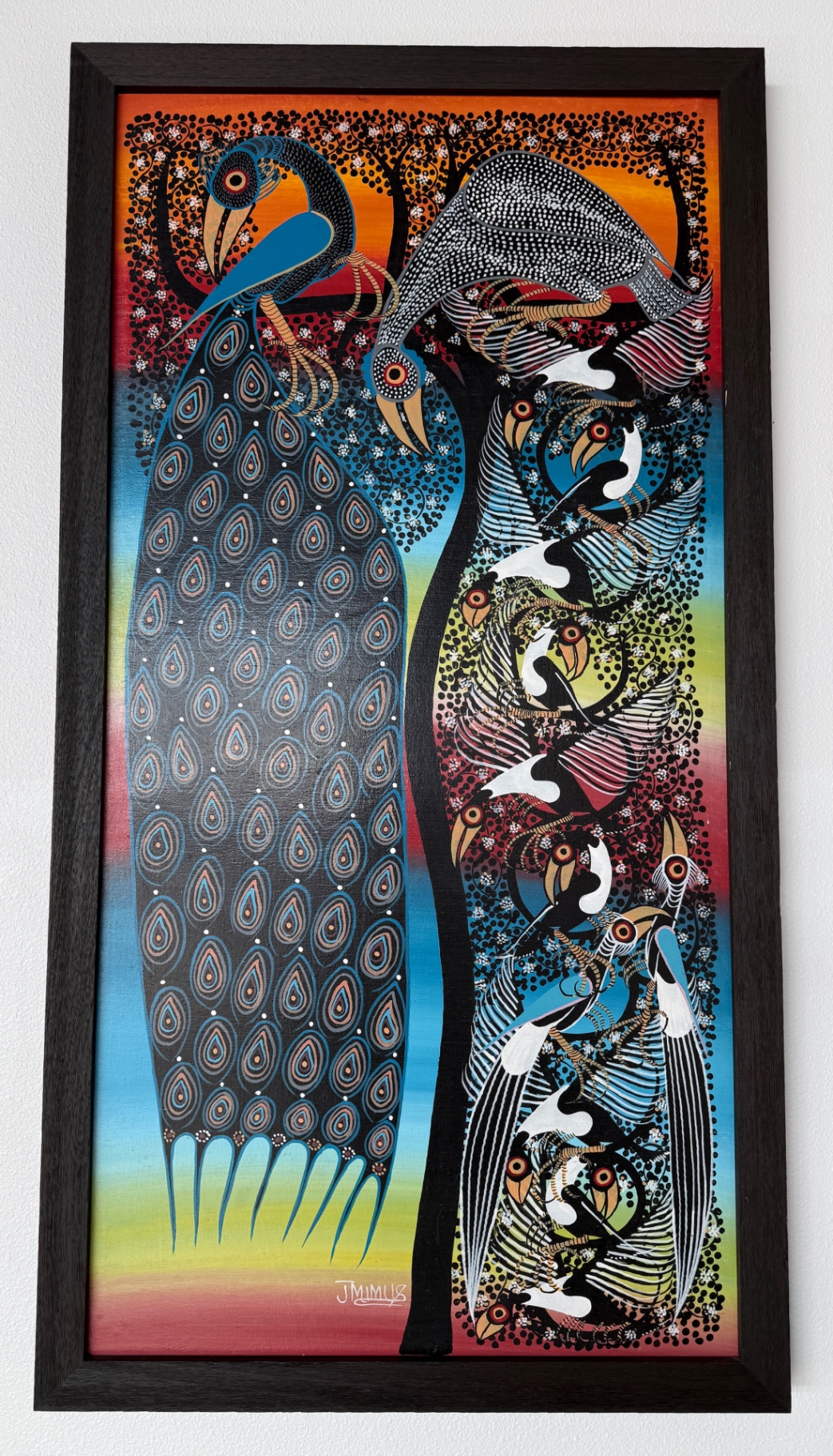 Photo Credit: Austin Gallery
Nhamo Jasi
Jasi specializes in portrait heads, with his "Mother In Law" series showcasing intricate detailing in hairstyles and facial expressions. Each piece demonstrates the technical mastery required to create lifelike features in hard stone.
Taylor Nkomo
Young sculptor Taylor Nkomo represents the next generation of Shona artists. His "Teenage Girl" head and shoulder sculptures capture youthful beauty and hope, demonstrating that the sculptural traditions continue to evolve while honoring their roots.
The Mandela Poster Project
Kalahari sponsored the North American debut of the Mandela Poster Project, a global artistic tribute featuring 95 posters created by designers from around the world. This touring exhibition appeared at the Brooklyn Museum before traveling to Kalahari properties.
Featured Poster Artists
Garth Walker (South Africa) – One of the founding participants who stated, "We just wanted to celebrate the man's life. As designers, we wanted to give something back."
Syndiso Nyoni (Zimbabwe/South Africa) – Known as R!OT, Nyoni created "The Boxer," capturing Mandela's lesser-known athletic youth before his political awakening.
The posters explore multiple facets of Mandela's legacy:
- Portrait interpretations of his iconic face
- Mandela the boxer (his early athletic career)
- Freedom symbolism with birds and broken jail bars
- The African continent's distinctive silhouette
- South Africa's "Rainbow Nation" philosophy
Artistic Disciplines Represented
Stone Sculpture
The Shona stone sculptures form the collection's most valuable component. Artists work with:
- Serpentine – Ranging from light green to near-black
- Verdite – Distinctive green stone unique to Southern Africa
- Springstone – Dense black stone prized for detailed work
- Leopard Rock – Spotted patterns that inspire animal forms
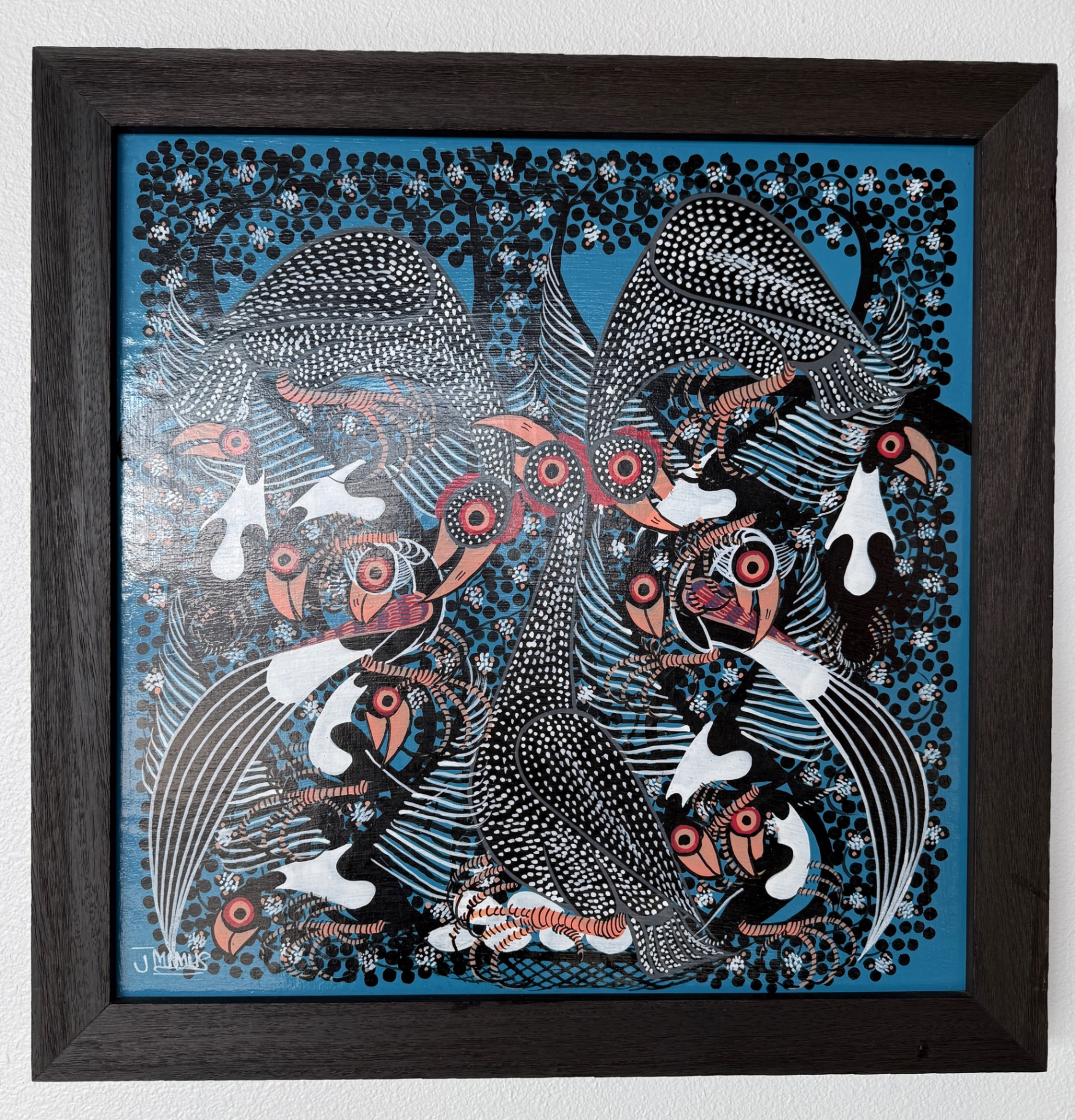 Photo Credit: Austin Gallery
Wood Carving
Among the most remarkable wooden pieces is a four-foot hand-carved coffee table created by an artist in Durban, South Africa. This functional art piece—including connected buffet pots—was carved from a single piece of wood, making it one of the most technically impressive works in the collection.
Traditional Textiles
African textiles at Kalahari include:
- Kente cloth from Ghana
- Mudcloth (bògòlanfini) from Mali
- Shweshwe prints from South Africa
- Kitenge and ankara fabrics from across the continent
Beadwork
The Kalahari Beadwork Project supports artisan communities creating traditional and contemporary beaded works. These pieces often carry cultural significance, with color patterns communicating social status, age, and life events.
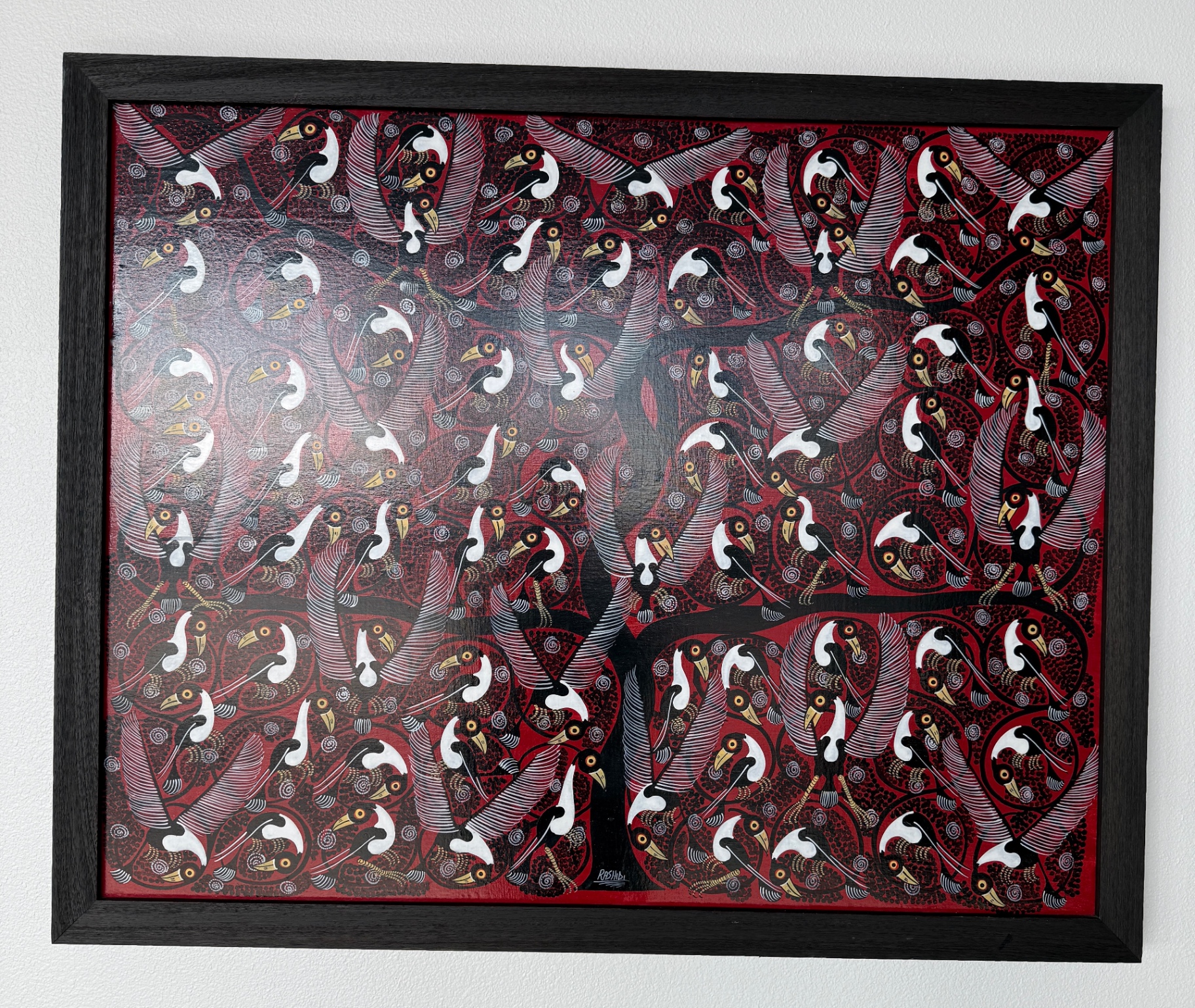 Photo Credit: Austin Gallery
Glass Art
Contemporary African glass artists have created stunning pieces that blend traditional aesthetics with modern techniques. These works often incorporate recycled materials, reflecting Africa's innovative approach to sustainability.
Wildlife Sculptures
A significant portion of the collection celebrates African wildlife, with sculptures of:
- Lions – Symbols of strength and royalty
- Elephants – Representing wisdom and memory
- Giraffes – Graceful forms rising to impressive heights
- Zebras – Studies in pattern and movement
- Cheetahs – Captured in dynamic poses
- Birds – From tiny weaver birds to majestic eagles
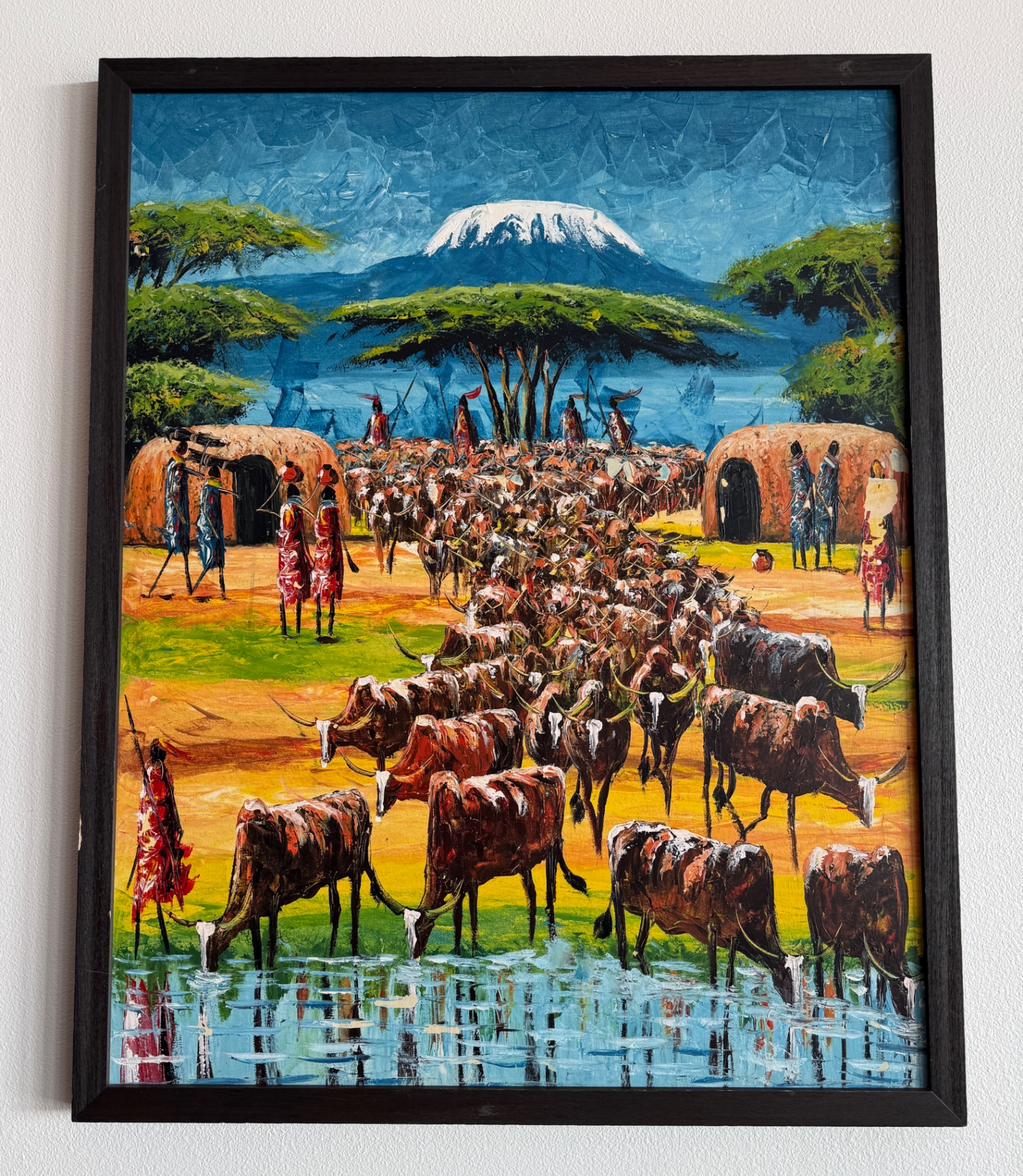 Photo Credit: Austin Gallery
These animal sculptures range from realistic representations to abstract interpretations, showcasing the diversity of African artistic expression.
Traditional Masks and Ceremonial Objects
African masks at Kalahari represent various cultural traditions:
Mask Types Featured
- Dan masks (Liberia/Ivory Coast) – Known for smooth, idealized features
- Chokwe masks (Angola/Congo) – Elaborate ceremonial pieces
- Makonde masks (Tanzania/Mozambique) – Distinctive lip-plug traditions
- Yoruba masks (Nigeria) – Theatrical and religious significance
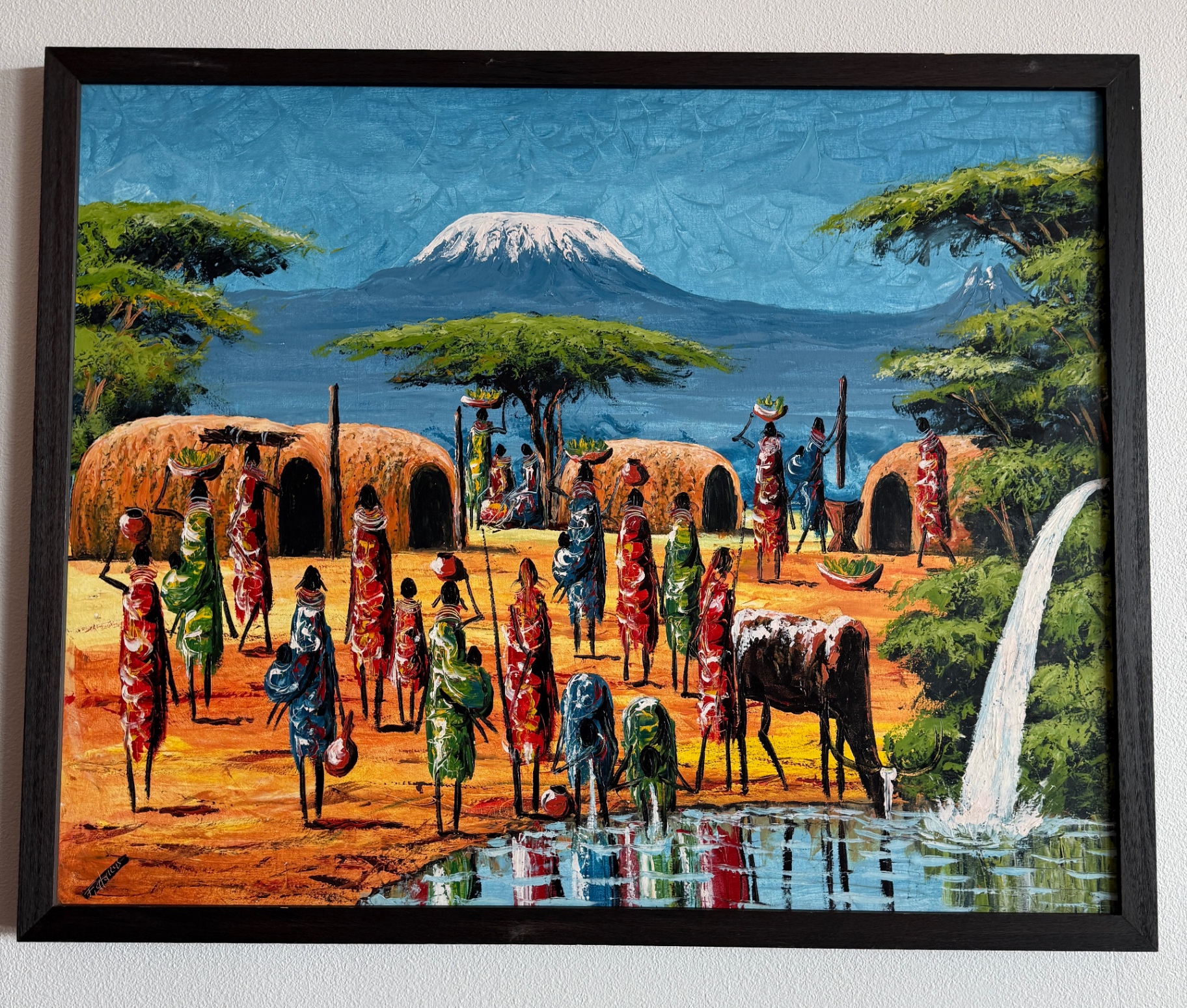 Photo Credit: Austin Gallery
Each mask carries cultural significance, originally created for ceremonies, initiations, or theatrical performances. At Kalahari, they serve as windows into Africa's rich spiritual and artistic traditions.
The Ubuntu Philosophy
The art program embodies Kalahari's "One World" philosophy, built on the African concept of Ubuntu—often translated as "I am because we are." This philosophy emphasizes:
- Interconnectedness – Every person's welfare is linked to community welfare
- Hospitality – Welcoming strangers as family
- Compassion – Responding to others' needs with generosity
- Togetherness – Building relationships across differences
The art serves as more than decoration; it's a vehicle for cultural education and connection. Guests walking Kalahari's halls encounter not just beautiful objects but invitations to understand African perspectives and values.
Clean Water Initiative Connection
Perhaps most significantly, Kalahari's art program connects to life-saving clean water initiatives. Through partnerships with charity: water, the resort has:
- Funded 793 water projects across nine African countries
- Changed the lives of over 224,171 people
- Established a borehole at Chitungwiza Art Center in Zimbabwe
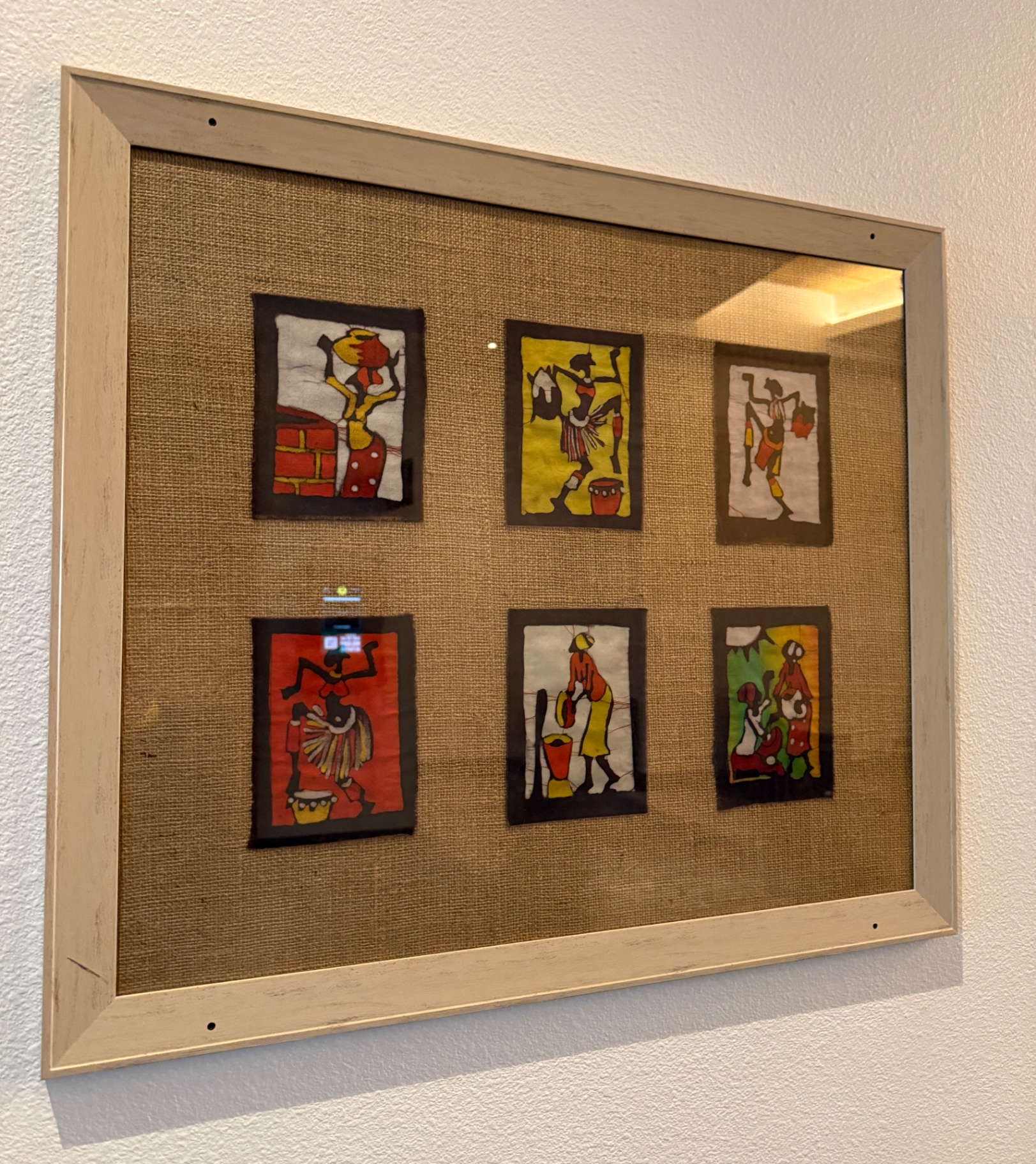 Photo Credit: Austin Gallery
The Chitungwiza borehole is particularly significant—stone sculptors require substantial water to work their craft, as water cools cutting tools and polishes finished pieces. By providing reliable water access, Kalahari enables artists to create the very works that fill its halls.
Experiencing the Art
Self-Guided Exploration
Visitors can explore the collection independently, with art placed throughout:
- Main lobby – Large statement pieces and welcome installations
- Hallways – Gallery-style presentations of smaller works
- Restaurant areas – Themed collections complementing dining experiences
- Conference center – Professional-quality installations for business guests
- Waterpark adjacent spaces – Weather-resistant and family-friendly displays
Interactive Programs
Kalahari offers several ways to engage with the art:
Gallery Wall – Sharing powerful stories of the water crisis and clean water mission, each piece inspires change and reminds visitors that every effort counts.
Water Walk – An experiential simulation letting visitors understand the daily journey for water that millions of Africans undertake, raising awareness for Kalahari's humanitarian mission.
Kalahari Pond – Every coin tossed creates a ripple of change, with donations supporting clean water projects in Africa.
Coloring Activities – Child-focused programs teaching about African art and the clean water mission through creative engagement.
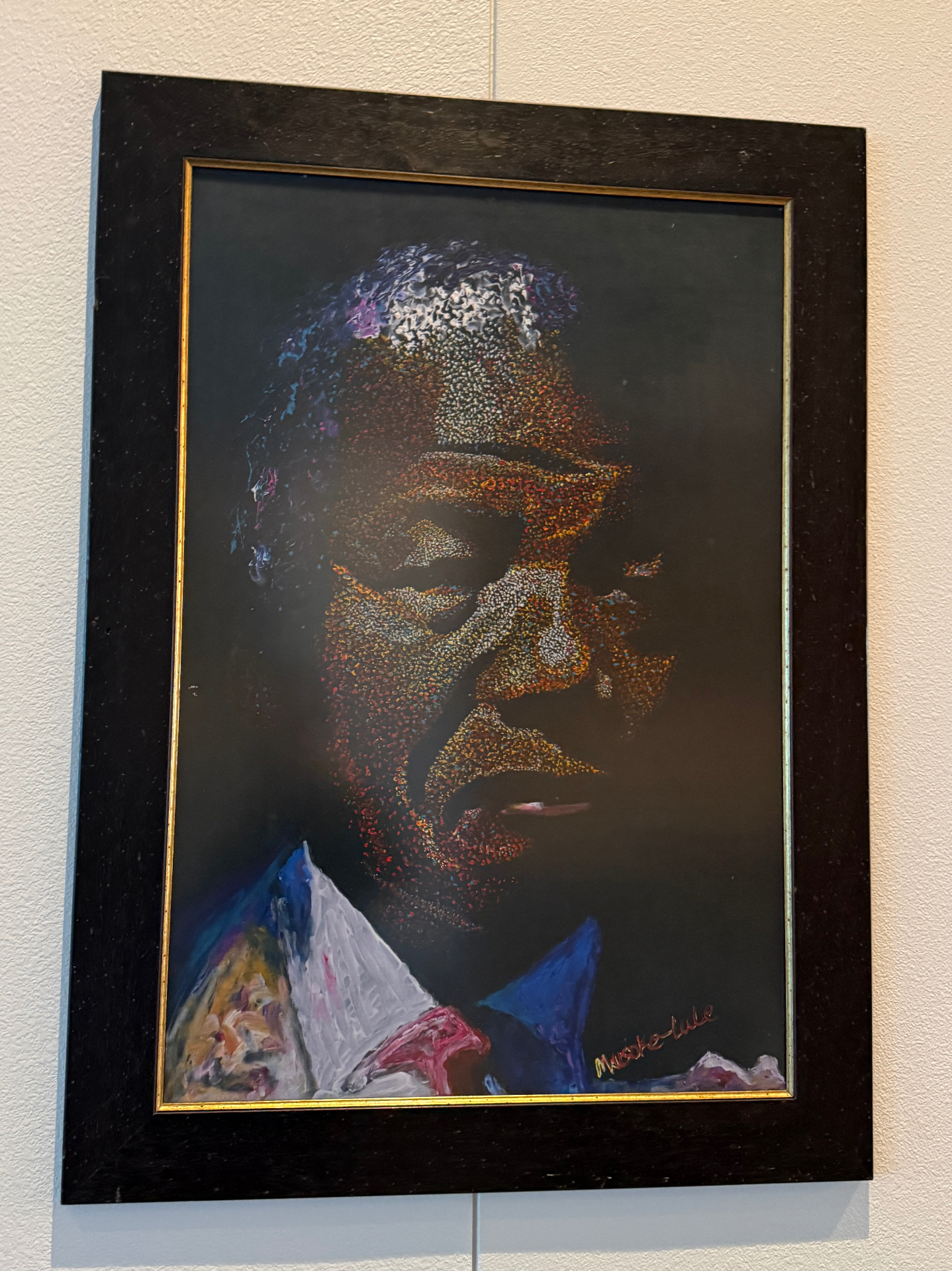 Photo Credit: Austin Gallery
Purchasing Original Works
Unlike many resort art programs, Kalahari offers guests the opportunity to purchase original pieces through the Sculpting the Future program. Available works include:
| Artist |
Piece |
Price Range |
| Jairos Clement |
Chief Advisor Series |
$999+ |
| Nicholas Kadzungura |
Green Stone Faces |
$699+ |
| Boet Nyariri |
Narrative Figures |
$1,399+ |
| Nhamo Jasi |
Portrait Heads |
$1,299+ |
| Taylor Nkomo |
Contemporary Works |
$699+ |
Purchases support both the artists directly and the Nelson Family Life Foundation's clean water initiatives. Each piece comes with documentation of authenticity and artist information.
The Broader Impact
Economic Empowerment
By purchasing directly from artists and artisan communities, Kalahari's program provides:
- Fair market prices – Artists receive reasonable compensation for their work
- Consistent demand – Regular purchasing trips create reliable income
- International exposure – Works reaching American audiences raise artists' profiles
- Community development – Successful artists support extended families and apprentices
Cultural Preservation
The collection helps preserve traditional art forms by:
- Creating markets for traditional techniques
- Supporting apprenticeship programs where master artists train younger generations
- Documenting artistic traditions through the resort's educational materials
- Raising awareness of African art among millions of annual visitors
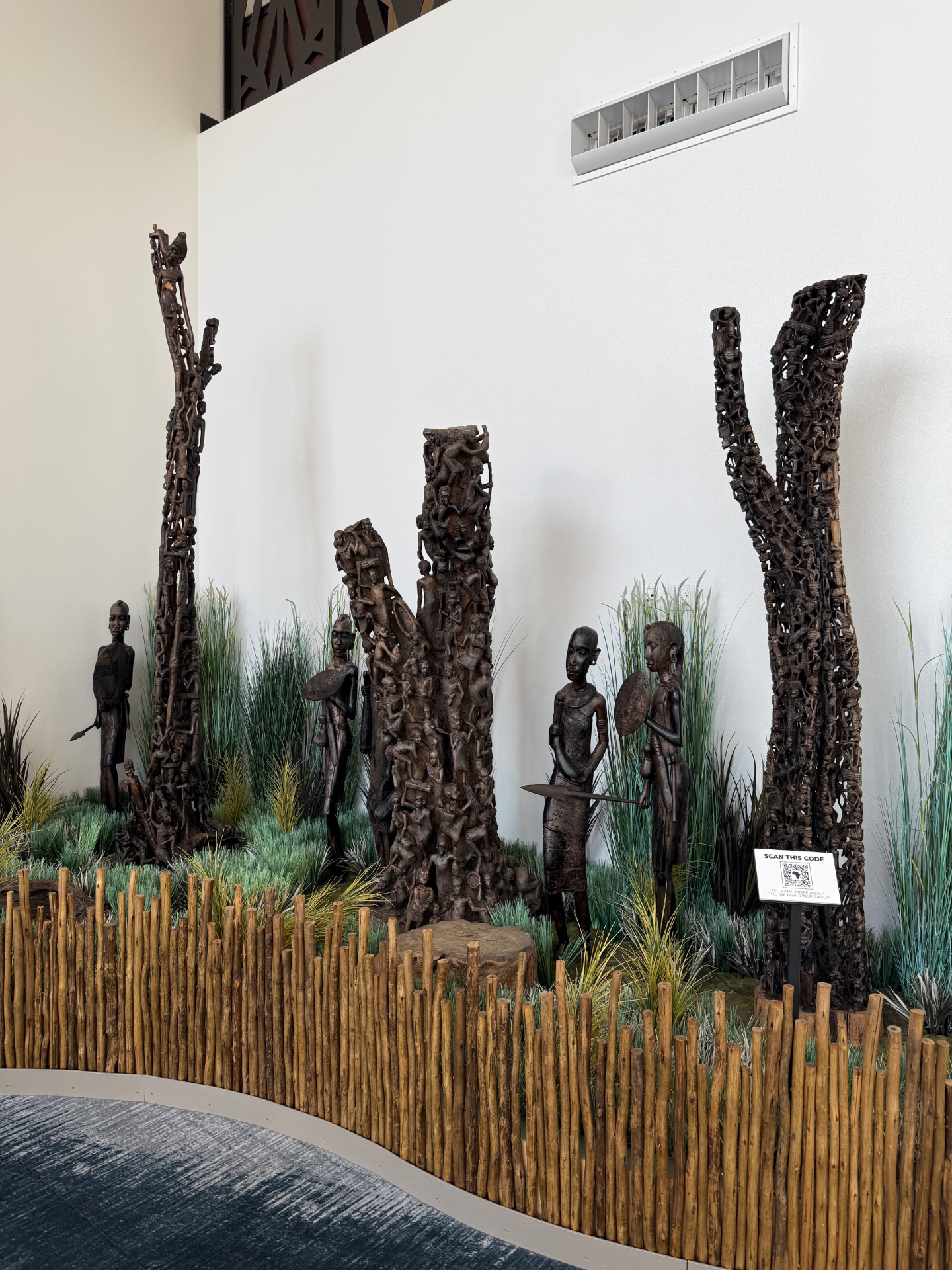 Photo Credit: Austin Gallery
Environmental Consciousness
Many artisans in the collection work with sustainable or recycled materials:
- Stone sculptors use natural materials that require no chemicals
- Woodcarvers often work with fallen trees or sustainably harvested timber
- Textile artists incorporate recycled fabrics and natural dyes
- Glass artists frequently use recycled bottle glass
Planning Your Art-Focused Visit
Best Times to View Art
- Early morning (7-9 AM) – Lobby areas are quieter for contemplative viewing
- Late evening (9-11 PM) – After waterpark crowds disperse
- Weekday mornings – Lower overall resort traffic
Photography Tips
- Natural light is best in main lobby areas during morning hours
- Many sculptures are lit dramatically in evening hours
- Close-up photography captures stone textures and woodgrain details
- Wide-angle shots work well in hallway gallery sections
Engaging Children
- Create a "scavenger hunt" for specific animal types
- Ask children to find their favorite mask
- Discuss the animals and what they symbolize
- Visit the coloring activity stations
Conclusion: More Than a Waterpark
The Kalahari Resort Round Rock offers something rare in the hospitality world: genuine cultural immersion through art. The $5.5 million collection isn't merely decorative—it represents 25 years of relationship-building with African artists and communities, millions of dollars flowing directly to artisans, and life-changing clean water projects across nine countries.
Whether you're visiting for the world-class waterpark, the convention facilities, or the family-friendly attractions, take time to pause in the hallways. Look closely at the stone faces emerging from serpentine blocks. Run your eyes along the grain of hand-carved wooden figures. Consider the hands that created these works and the communities they support.
Whether you're visiting for the world-class waterpark, the convention facilities, or the family-friendly attractions, take time to pause in the hallways.
In an era of mass-produced hotel art, Kalahari's commitment to authentic African artistry stands as a testament to what's possible when commerce and culture genuinely converge.
References and Further Reading
- Kalahari Resorts - The Inspiration - Official overview of the resort's African art philosophy
- Nelson Family Life Foundation - Sculpting the Future - Stone sculpture purchasing program
- charity: water - Kalahari Partnership - Impact statistics and project details
- Shona Sculpture - Zimbabwe Cultural History - Background on Shona stone carving traditions
- Mandela Poster Project - Global design tribute information
All photographs in this article courtesy of Austin Gallery. For inquiries about collecting African art or appraisals of existing pieces, contact Austin Gallery directly.
Planning a visit? Check current rates and availability on Expedia — Kalahari Resort Round Rock is located at 3001 Kalahari Boulevard, Round Rock, TX 78665.
Insider Tip
Ask the front desk for the art collection guide — it includes provenance details and artist bios not shown on the wall labels.
Provenance
The documented history of an artwork's ownership, from the artist's studio through each subsequent owner. Good provenance increases an artwork's value and authenticity.


