Quiet Contemplation: The Best Sculpture Gardens in Austin (Local Guide)
The definitive guide to Austin's sculpture destinations: Laguna Gloria's lakeside sculpture park, UMLAUF's touchable gardens, the free Elisabet Ney Museum, public statues of Texas legends, and Capitol grounds monuments. Complete with hours, admission, photography tips, and itineraries.
By Austin Gallery Team
This article contains affiliate links. Austin Gallery may earn a commission at no cost to you.
Austin's sculpture scene extends far beyond museum walls. From lakeside sculpture parks to historic studios, touching sculptures you're actually allowed to touch, and public monuments honoring Texas legends, the city offers an extraordinary outdoor art experience—much of it free.
Austin has a remarkable range of sculpture gardens — from intimate university collections to sprawling outdoor installations
Most sculpture gardens are free and open year-round, making them perfect low-cost outings
The UMLAUF Sculpture Garden and Laguna Gloria are the two must-visit destinations
6Major Venues
FreeMost Locations
14 acresLargest Garden
1892Oldest Studio
Sculpture demands space. It asks you to walk around it, see how light changes across its surface, notice how your perspective shifts as you move. Indoor galleries can accommodate sculpture, but they can't replicate what happens when art exists in relationship with sky, trees, water, and the changing Texas light.
Austin understands this. The city has cultivated sculpture venues that range from formal gardens to guerrilla installations, from monumental bronze to experimental site-specific work. Some charge admission; others are free and accessible around the clock. Together, they form a circuit that rewards dedicated exploration.
This guide covers every significant sculpture destination in Austin—what you'll find, when to visit, what makes each location special, and how to plan trips that maximize your time with three-dimensional art in the open air.
Laguna Gloria
Best for: Contemporary art enthusiasts, photographers, date nights (Thursday evenings)
Admission: $10 adults / Free Thursdays
$10
Admission: adults / Free Thursdays
Time needed: 2-3 hours
UMLAUF Sculpture Garden
Best for: Families with children, tactile experience, casual visitors
Admission: $8 adults / Free 1st Tuesday
Time needed: 1-1.5 hours
Elisabet Ney Museum
Best for: History buffs, architecture lovers, quick cultural stops
Admission: Always FREE
Time needed: 30-60 minutes
Laguna Gloria: The Contemporary Austin's Sculpture Park
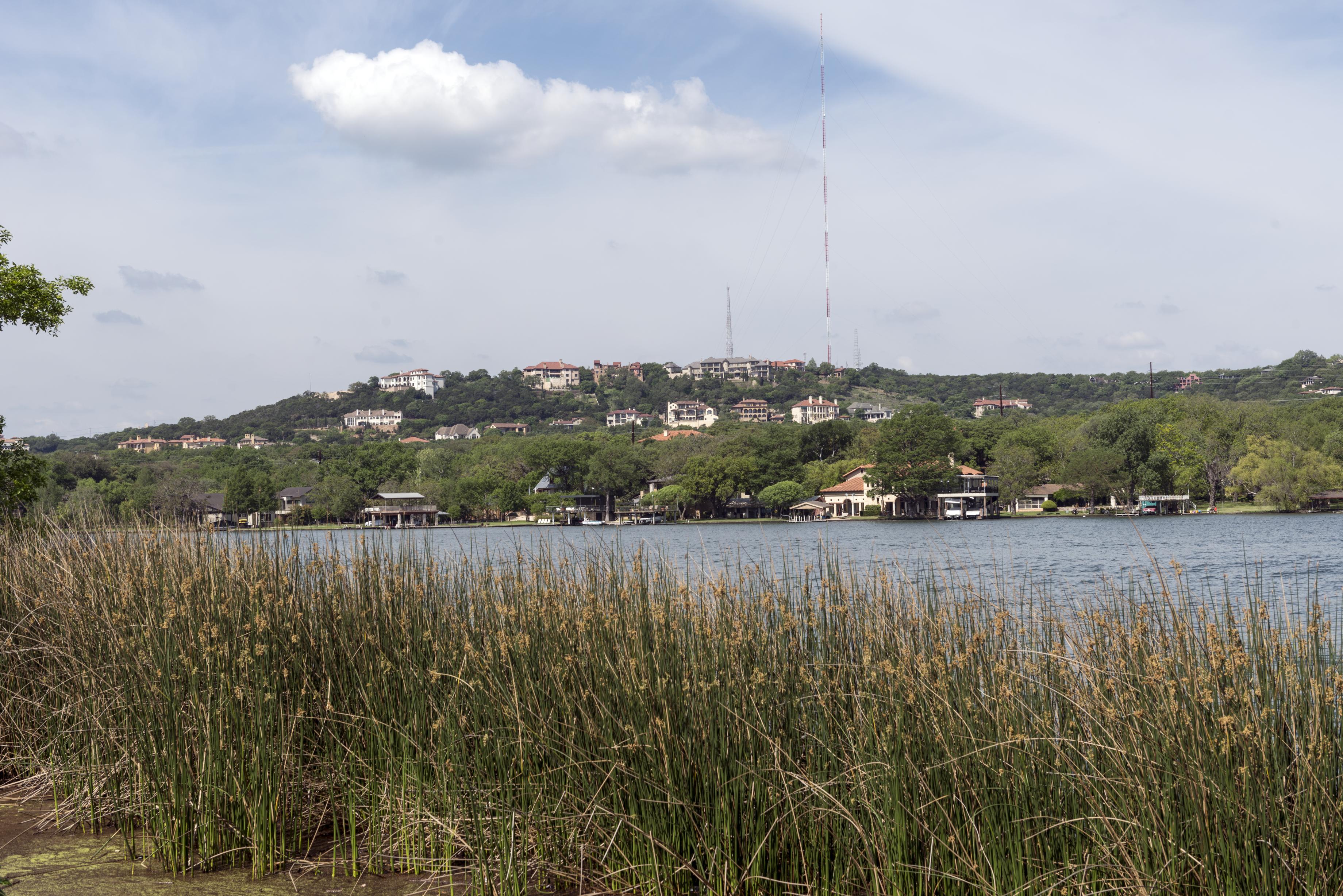
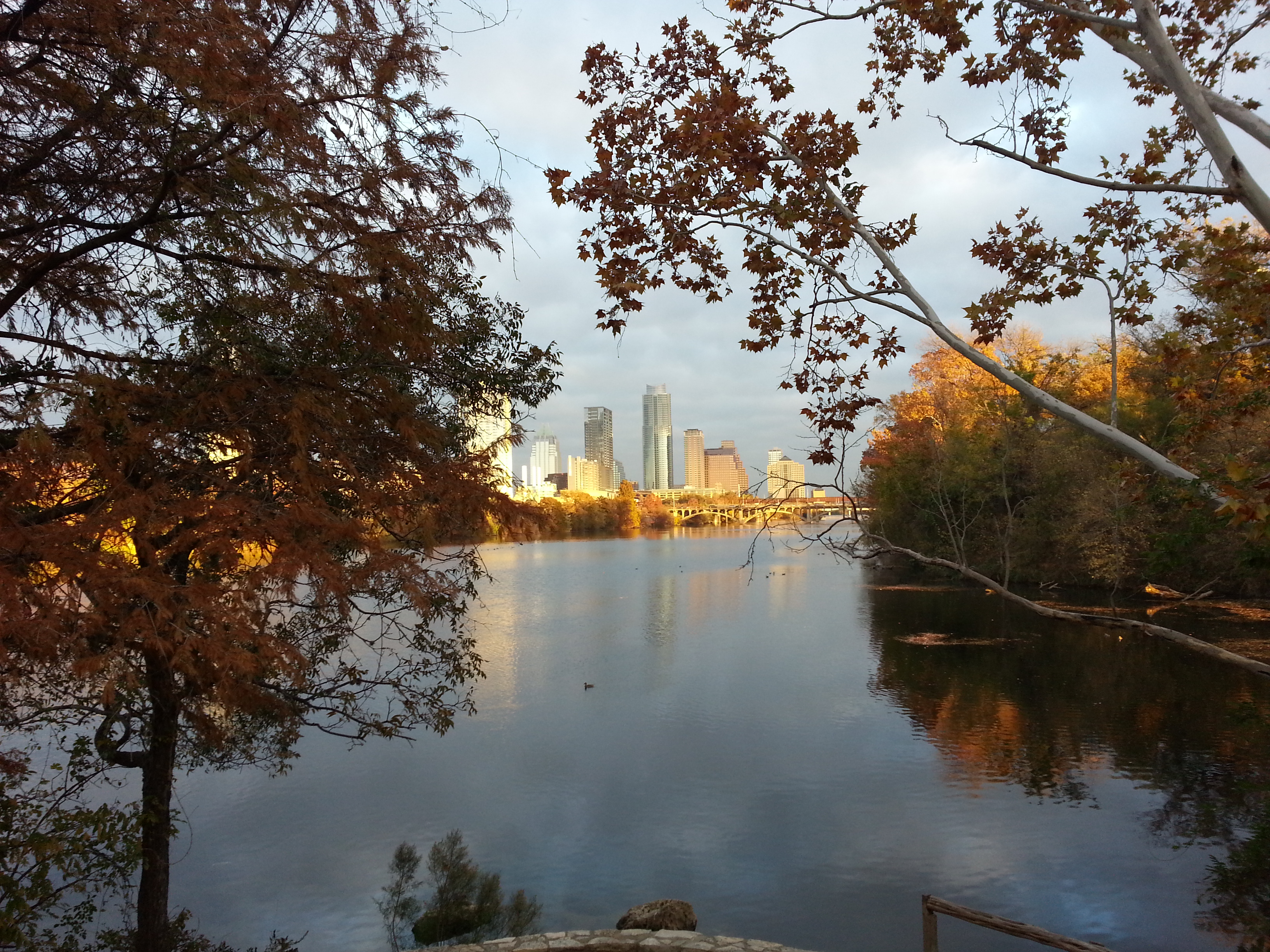
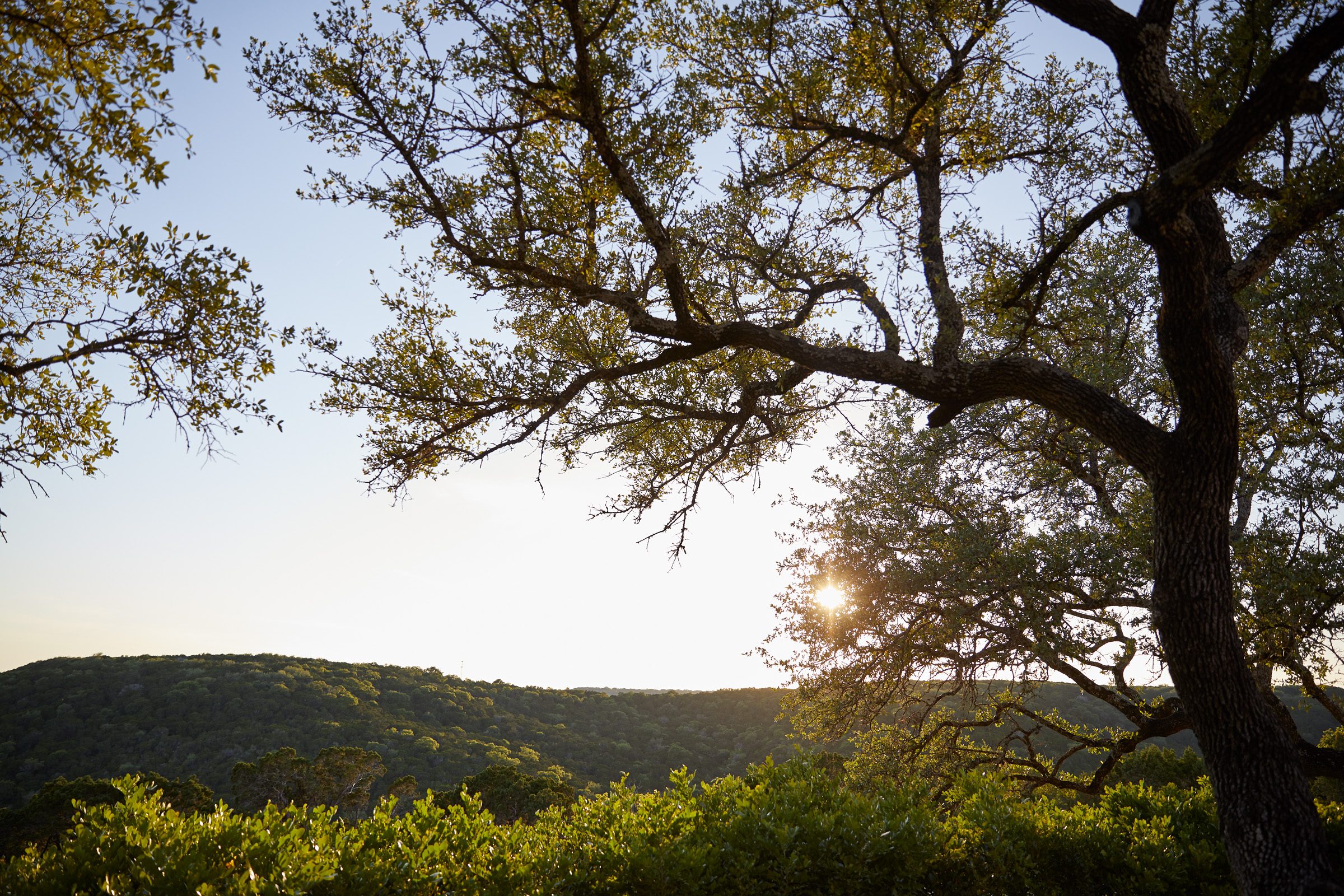
The grounds of The Contemporary Austin at Laguna Gloria, overlooking Lake Austin
Where contemporary art meets Lake Austin—the city's premier sculpture destination.
The Betty and Edward Marcus Sculpture Park at Laguna Gloria represents Austin's most ambitious commitment to outdoor sculpture. Fourteen acres of wooded terrain, formal gardens, and lakefront property provide the setting for rotating installations by internationally significant contemporary artists.
This isn't a static collection of bronze figures on pedestals. Works are commissioned specifically for the site, meaning artists spend time on the grounds, considering how their pieces will interact with the existing landscape. The result is art that couldn't exist anywhere else—sculpture that responds to the particular qualities of this peninsula jutting into Lake Austin.
Free Admission: Every Thursday, all day. This is one of the best cultural deals in Austin—full access to the sculpture park, grounds, and cafe without charge.
Dual Admission: Your ticket covers both Laguna Gloria and the Jones Center downtown for the same day.
The Setting
Before you encounter any sculpture, Laguna Gloria's setting makes an impression. The property occupies a peninsula that reaches into Lake Austin, shaded by heritage live oaks that have witnessed more than a century of Austin history. Formal gardens established in the early 1900s create structured spaces that contrast with wilder sections of the grounds.
The approach from the parking area moves you through a sequence of experiences: arrival courtyard, then glimpses of lake through trees, then the grounds opening before you. Architects and landscape designers have shaped this progression deliberately. By the time you reach the first major sculpture, you've transitioned from the everyday world into a space receptive to art.
The lake changes everything. Water creates context—reflections, cooling breezes, the particular quality of light bouncing off the surface. Artists commissioning work for the site often respond to this element, creating pieces that acknowledge or incorporate views across the water.
The Driscoll Villa
At the heart of the property stands a 1916 Mediterranean Revival mansion with a history as dramatic as its architecture.
Clara Driscoll (1881-1945) built the villa as her private residence. You may know her better as "the Savior of the Alamo"—the Texas heiress who, in 1903, personally funded the purchase of the Alamo mission to prevent its demolition and commercial development. Driscoll was wealthy, politically connected, and possessed of strong opinions about Texas heritage.
The villa she built at Laguna Gloria reflected both her Mediterranean tastes and her position in Texas society. The building features:
Italianate architecture with stucco walls and a red tile roof
Formal gardens designed in European styles
Lake-facing terraces offering commanding views
Period interiors that have been restored and preserved
Current status: The villa has been closed for extensive renovation and stabilization. When it reopens, expect historically informed exhibitions that engage with the building's past. Check the Contemporary Austin's website for updates on reopening.
Historical note: After Driscoll's death, the property passed through various hands before becoming the original home of the Austin Museum of Art in 1943. That institution eventually evolved into the Contemporary Austin, which now operates both Laguna Gloria and the downtown Jones Center.
The Betty and Edward Marcus Sculpture Park
The Betty and Edward Marcus Sculpture Park at Laguna Gloria
The sculpture park sprawls across the entire property—hills, trails, lakeside areas, and formal garden spaces. Unlike museum galleries where art occupies white-walled rooms, here sculpture exists in relationship with living landscape.
The philosophy: Works are not merely placed outdoors. Artists receive commissions to create site-specific pieces that respond to Laguna Gloria's particular conditions. This means considering:
How light falls at different times of day and year
Views to and from Lake Austin
Existing vegetation and topography
The experience of viewers approaching from various angles
Weather conditions including intense summer heat
How the piece will age in an outdoor environment
What to expect: The roster of artists and installations changes over time. Some pieces remain for years; others rotate with programming cycles. Recent and current installations have included work by artists working in:
Large-scale steel and metal pieces that frame views or alter the landscape
Sound installations that respond to wind and weather
Organic materials that engage with the existing vegetation
Light-based work that transforms at different times of day
Interactive pieces that invite viewer participation
Trail system: Paths wind through the property, designed to reveal sculptures at unexpected moments. Some works require climbing hillsides to reach. Others emerge gradually as you round bends. The terrain includes:
Paved paths (accessible)
Gravel trails
Natural surface paths with roots and uneven ground
Stairs and elevation changes
Plan for walking. The grounds cover significant acreage, and seeing everything requires traversing varied terrain.
Photography at Laguna Gloria
The sculpture park is exceptionally photogenic. Natural light, lake reflections, and the interplay of art with landscape create conditions that reward photographers.
Late afternoon (after 3pm) offers golden hour conditions
Overcast days reduce harsh shadows and create even lighting
Thursday evenings (until 9pm) allow sunset and twilight photography
Wide angles capture the relationship between sculpture and setting
Details reveal textures and surfaces that distant viewing misses
Include people (with permission) to convey scale
Practical tips:
Tripods are generally permitted but may be restricted near certain works
Flash is discouraged
Commercial and professional shoots require advance permission
Social media photography is encouraged—the Contemporary Austin maintains active accounts
Seasonal considerations:
Spring: Wildflowers and fresh foliage create colorful backdrops
Summer: Intense light creates strong contrasts; shoot early or late
Fall: Changing colors in some areas; generally pleasant light
Winter: Bare branches reveal sculptures otherwise hidden by foliage
Best Times to Visit
Thursday evenings (extended hours until 9pm):
This is the optimal time for serious sculpture enthusiasts. Free admission removes financial barriers. Extended hours allow you to experience the park as light changes—afternoon sun transitioning to golden hour, then twilight. Summer evenings offer comfortable temperatures after the heat of the day. The setting sun creates dramatic conditions across the lake.
Weekday mornings:
Arrive when the gates open at 9am. You'll likely have portions of the park to yourself. Morning light illuminates east-facing works beautifully. By 11am, more visitors arrive, but the grounds absorb crowds easily.
Avoid:
Saturday afternoons in spring (peak attendance for nice weather)
Immediately after major installation openings (crowds seeking new work)
Extreme summer heat (midday temperatures can exceed 100°F)
On-Site Dining: Spread & Co. Cafe
Laguna Gloria includes a legitimate cafe, not museum food service. Spread & Co. offers:
Coffee and espresso drinks
Fresh-baked pastries and baked goods
Sandwiches and salads
Light lunch options
Beer and wine
The setting: Outdoor seating with views across the grounds. Plan to arrive early for lunch (before noon) to secure tables with the best views.
Hours: Match Laguna Gloria's schedule
Strategy: Either fuel up before exploring, or reward yourself after walking the grounds. The cafe provides a destination that extends your visit beyond art viewing.
Insider Tips for Laguna Gloria
Wear proper footwear. The terrain includes hills, stairs, gravel paths, and natural surfaces. Flip-flops and heeled shoes will limit what you can access. Comfortable walking shoes or trail shoes are ideal.
Bring water. Austin heat is serious business, especially in summer months. Shade is plentiful, but dehydration happens quickly. The cafe sells drinks, but carrying water allows you to explore freely.
Dogs are welcome. Laguna Gloria is one of the few art venues in Austin that permits dogs on leash. This policy makes it accessible to dog owners who might otherwise skip the visit. Keep dogs leashed and clean up after them.
Allow adequate time. This is not a quick stop. Plan 2-3 hours to walk the grounds thoroughly, linger with works that capture your attention, and enjoy the cafe. Rushing defeats the purpose.
Check the website before visiting. Exhibitions and installations change. Confirm what's currently on view, especially if you're visiting to see a specific work.
Consider membership. At $10 per visit, the Contemporary Austin's $75 annual membership pays for itself quickly. Members also receive reciprocal admission at museums nationwide through the North American Reciprocal Museum Association.
Combining with the Jones Center
Your Laguna Gloria ticket includes same-day admission to the Contemporary Austin's downtown location, the Jones Center (700 Congress Avenue). The venues are about 15 minutes apart by car.
Suggested approach:
Start at the Jones Center if you want indoor galleries before outdoor exploration. The Jones Center typically requires 1-2 hours. Then drive to Laguna Gloria for a longer, more immersive experience with outdoor sculpture.
Alternatively, spend the morning at Laguna Gloria when it's cooler, then head downtown for air-conditioned galleries in the afternoon heat.
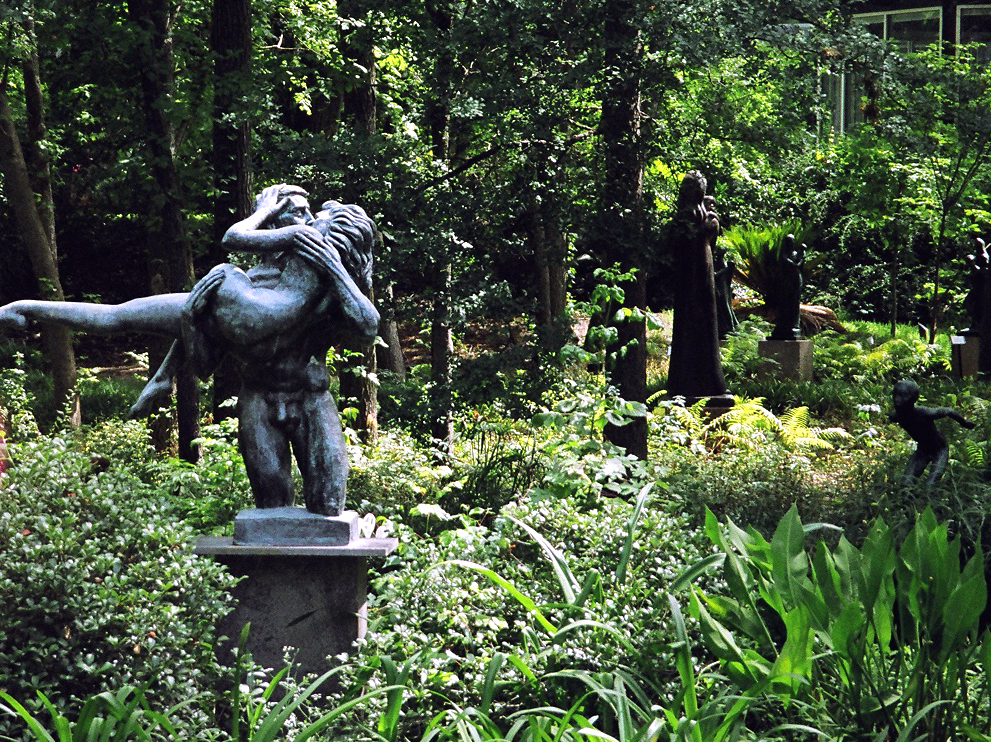
Photo: The UMLAUF Sculpture Garden, where visitors are encouraged to touch the bronze sculptures
The touchable sculpture garden—a rare sensory experience in a shaded Zilker-area setting.
Most sculpture carries an implicit warning: look but don't touch. Museums and galleries enforce distance between viewer and object. The UMLAUF Sculpture Garden inverts this relationship. Here, you're encouraged to run your hands across bronze surfaces, feel the texture of patinas, experience sculpture as a tactile as well as visual medium.
This policy makes UMLAUF unique in Austin and rare anywhere. For children, for visitors with visual impairments, and for anyone who has wondered what sculpture feels like, the garden offers an experience unavailable elsewhere.
Charles Umlauf (1911-1994) spent his career creating figurative sculpture in bronze, wood, and stone. Unlike abstract artists who dominated mid-century discourse, Umlauf committed to representing the human form—creating works that depicted mothers and children, dancers, mythological figures, and portraits.
Career highlights:
Born in South Haven, Michigan
Studied at the Art Institute of Chicago
Joined the University of Texas art faculty in 1941
Taught at UT Austin for forty years
Created over 200 public sculptures, many in Texas
Works held by the Smithsonian American Art Museum and the Metropolitan Museum of Art
His style: Umlauf's sculpture blends classical training with modernist simplification. Figures are recognizably human but abstracted—forms simplified to essential gestures. His work occupies a middle ground between academic realism and pure abstraction, accessible to viewers without requiring art historical knowledge.
The donation: In 1985, Umlauf and his wife Angeline donated their home, studio, and a significant portion of his work to establish the museum and garden. He continued working until his death in 1994.
The UMLAUF garden spreads across shaded grounds near Barton Springs, creating an intimate sculpture experience quite different from Laguna Gloria's expansive landscape.
The setting:
Mature trees provide shade (essential in Austin summers)
Winding paths connect sculpture installations
Water features add sound and visual interest
Native and adapted plantings create garden rooms
The scale is human—comfortable for extended wandering
Touchable sculpture:
This is the garden's signature feature. Designated works throughout the grounds carry signs inviting touch. This policy reflects Umlauf's own philosophy about sculpture as a tactile medium—he believed the sense of touch revealed dimensions that vision alone could not.
The three-dimensional reality of forms that appear flat in photographs
Details like toolmarks from the artist's process
Particularly touchable pieces include:
Family groups that invite embracing
Smaller works at child height
Bronzes with rich patina variations
Note: Not all works are touchable. Follow signage to identify which sculptures invite handling.
The Museum Building
Library of Congress / Wikimedia Commons, Public Domain
Beyond the garden, an indoor museum displays additional sculptures, drawings, and documentation of Umlauf's career.
What you'll find:
Smaller-scale bronzes and maquettes (preliminary models)
Works in wood and stone
Drawings and studies
Documentation of major commissions
Temporary exhibitions
The indoor galleries provide air-conditioned respite and context for the outdoor pieces. Plan to spend 30-45 minutes inside in addition to garden time.
Photography at UMLAUF
The garden's shaded setting and varied sculpture create excellent photography opportunities.
Tips:
Dappled light through trees creates interesting effects
Overcast days provide even illumination
Include hands touching sculpture to document the tactile experience
Children interacting with touchable pieces make compelling subjects
Black-and-white photography suits the bronze palette
Best Times to Visit
First Fridays (free admission):
The museum opens without charge on the first Friday of each month. Expect slightly higher attendance but still a manageable experience.
Weekday mornings:
Arrive at 10am for the quietest experience. You may have sections of the garden to yourself.
Combined with Zilker area activities:
The museum's location near Barton Springs Pool and Zilker Botanical Garden makes it easy to combine with other Zilker-area visits. A morning at UMLAUF followed by lunch and swimming at Barton Springs creates a full, satisfying day.
Avoid:
Saturday afternoons when families arrive after morning activities
Summer midday (even with shade, heat is significant)
Insider Tips for UMLAUF
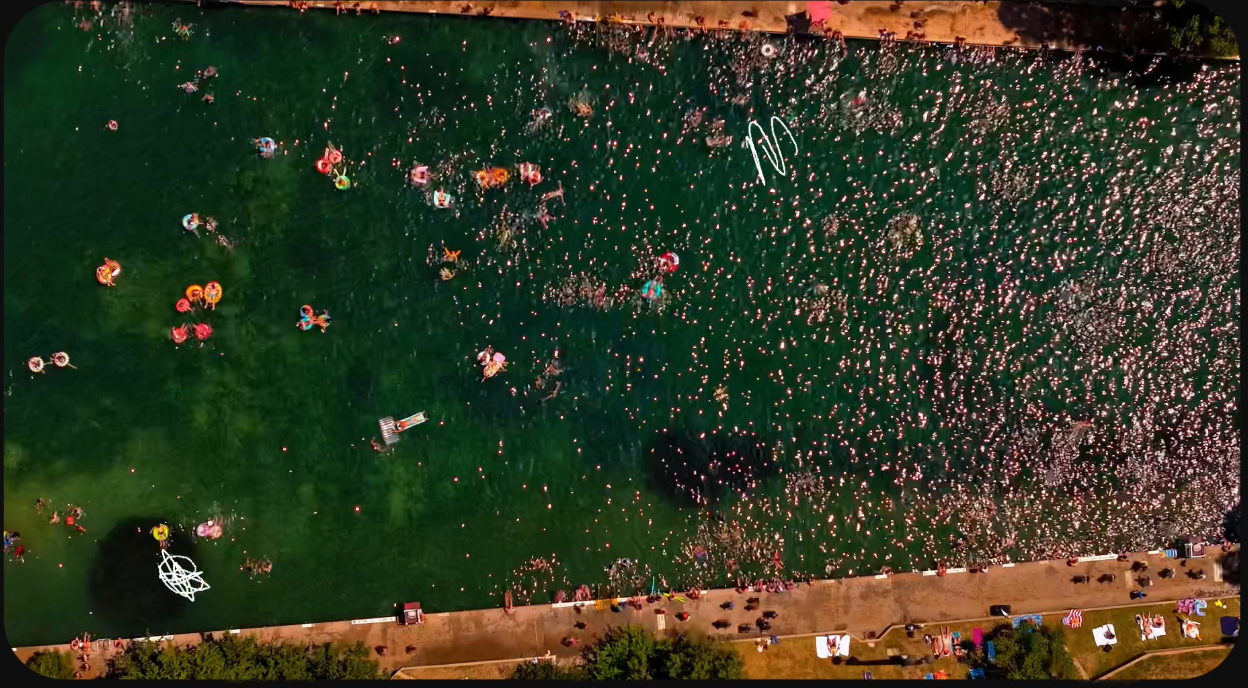
Barton Springs Pool — just steps from UMLAUF, ideal for a post-sculpture swim
Allow 1-1.5 hours. The garden is intimate but rewards slow exploration. Don't rush.
Bring children. The touchable policy makes this one of Austin's most child-friendly art venues. Kids who are told "don't touch" at every other museum can finally engage physically with sculpture.
Combine with nearby attractions:
Barton Springs Pool (5-minute walk)—natural spring-fed swimming
A 19th-century sculptor's studio preserved—and Austin's most underrated art destination.
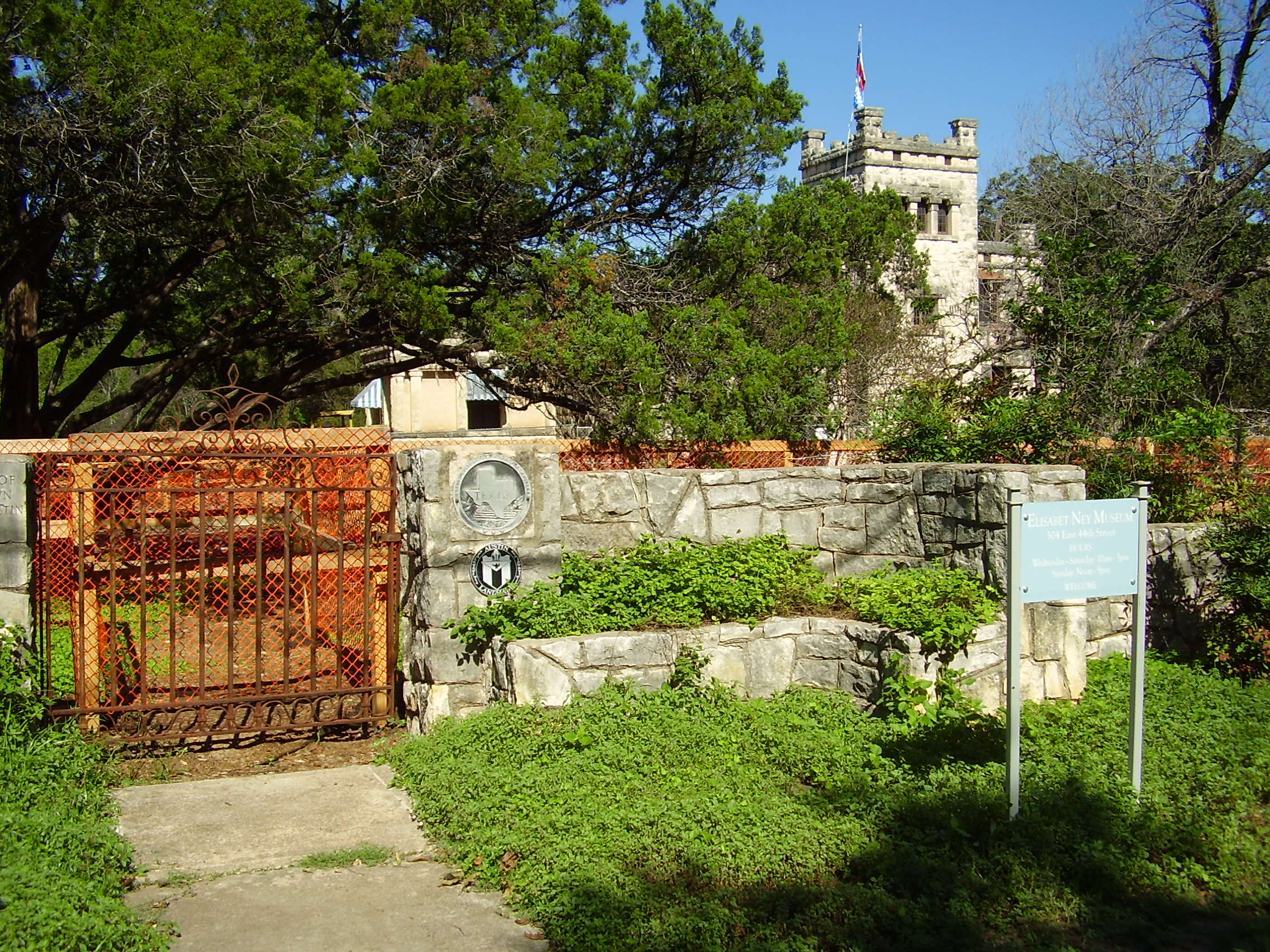
The Elisabet Ney Museum is free. This fact alone makes it remarkable in a city where cultural admissions add up quickly. But beyond the price, the museum offers something no other Austin venue can match: the preserved working studio of a historically significant artist, filled with original plaster casts and the tools of her trade.
Elisabet Ney (1833-1907) was a German-born sculptor who created portrait sculptures of European royalty and philosophers before emigrating to Texas. In Austin, she built a studio fortress and created the definitive sculptural portraits of Texas heroes including Sam Houston and Stephen F. Austin—images that shaped how generations of Texans visualized their founding figures.
Essential Information
Address: 304 E 44th Street, Austin, TX 78751 (Hyde Park neighborhood)
Austin Art Insider
Free weekly guide to galleries, exhibitions & collecting in Austin.
Elisabet Ney's biography reads like historical fiction. Her life spanned continents and centuries of change, and she defied every convention of her era.
Early career in Europe:
Born in Munster, Westphalia (now Germany) in 1833
One of the first women admitted to the Munich Academy of Art
Created portrait sculptures of European luminaries including:
King Ludwig II of Bavaria
Otto von Bismarck (German chancellor)
Arthur Schopenhauer (philosopher)
Giuseppe Garibaldi (Italian revolutionary)
Jacob Grimm (of the Brothers Grimm)
Unconventional life:
Ney refused to take her husband's name, kept her marriage secret for years, and structured her domestic life to prioritize her art. In an era when women were expected to abandon careers for motherhood, she persisted as a working sculptor while raising children.
Texas years:
In 1871, Ney and her husband emigrated to Texas, settling first on a plantation near Hempstead. She largely abandoned sculpture for two decades—raising her surviving son (a first son died in infancy), grieving, and adapting to an utterly different world from European capitals.
In 1892, she re-emerged. She moved to Austin, built her studio (which she called "Formosa"), and returned to sculpture. The final fifteen years of her career produced the works for which she's best remembered:
Sam Houston (marble)—commissioned for the Texas State Capitol
Stephen F. Austin (marble)—also for the Capitol
Lady Macbeth (plaster)—dramatic theatrical interpretation
Portrait busts of Texas leaders and intellectuals
Her sculptures of Houston and Austin stand in the State Capitol and were replicated in marble for Statuary Hall in the United States Capitol—meaning Ney's interpretations represent Texas to the nation.
The Building: Formosa Studio
The building itself is as significant as its contents. Ney designed the studio and supervised its construction in 1892, creating a workspace suited to large-scale sculpture production.
Architectural features:
Stone construction that reads as almost medieval—a fortress for art
High ceilings required for monumental sculpture
Large windows providing natural light for modeling
Skylights supplementing window illumination
Integrated living quarters (Ney lived and worked in the building)
The name "Formosa" means "beautiful" in Portuguese. Ney chose it—perhaps referencing the island of Taiwan (then called Formosa) or simply expressing her vision for the space.
Preservation:
After Ney's death in 1907, the building passed to the Texas Fine Arts Association, which maintained it as a museum. Today the City of Austin operates the museum through its Parks and Recreation Department. The building is listed on the National Register of Historic Places.
What You'll See
The museum displays:
Plaster casts and working models:
Sculptors create figures first in clay or plaster, then translate them into permanent materials like marble or bronze. The Ney Museum preserves these working pieces—including full-scale plaster versions of works that exist in marble elsewhere. This reveals the sculptor's process in a way finished works cannot.
Portrait sculptures:
Ney's greatest strength was capturing likeness and character in three dimensions. The museum holds busts and figures of Texas historical figures, allowing close examination of her technique.
Major works include:
Working versions of Sam Houston and Stephen F. Austin
Lady Macbeth—Ney's dramatic interpretation of Shakespeare's character
Prometheus—mythological figure in characteristic Ney style
Portrait busts of European and American subjects
Tools and equipment:
Some of Ney's original sculpting tools remain on display, providing insight into the physical process of creating sculpture before power tools.
Period context:
The museum provides information about Ney's life, her unusual biography, and the context of art-making in 19th-century Europe and Texas.
Photography at the Ney
The museum's unusual architecture and plaster-white sculptures create dramatic photographic opportunities.
Tips:
Natural light from windows and skylights illuminates the sculptures beautifully
The stone walls provide interesting textural backdrops
Black-and-white photography suits the pale sculptures and stone setting
Flash photography is restricted; rely on available light
Best Times to Visit
Any open day:
The museum rarely experiences crowding. Visit whenever convenient.
Combine with Hyde Park exploration:
The museum sits in the Hyde Park neighborhood, one of Austin's oldest and most architecturally distinctive areas. Before or after your visit, walk the neighborhood streets to see historic homes. Nearby dining options on Duval Street include:
Quack's Bakery—local institution for coffee and pastries
Hyde Park Bar & Grill—casual dining in a neighborhood setting
Aster's Ethiopian—excellent Ethiopian cuisine
Insider Tips for the Ney
Allow 30-60 minutes. The museum is compact but rewards close attention.
Read the biographical material. Ney's life story is genuinely fascinating—understanding her biography enriches viewing her work.
Donations matter. Free admission doesn't mean free to operate. Consider contributing if you find value in your visit.
Parking: Street parking in the surrounding residential neighborhood. The museum has limited lot spaces.
Combine with sculpture tour. The Ney makes an excellent addition to a day visiting UMLAUF or Laguna Gloria.
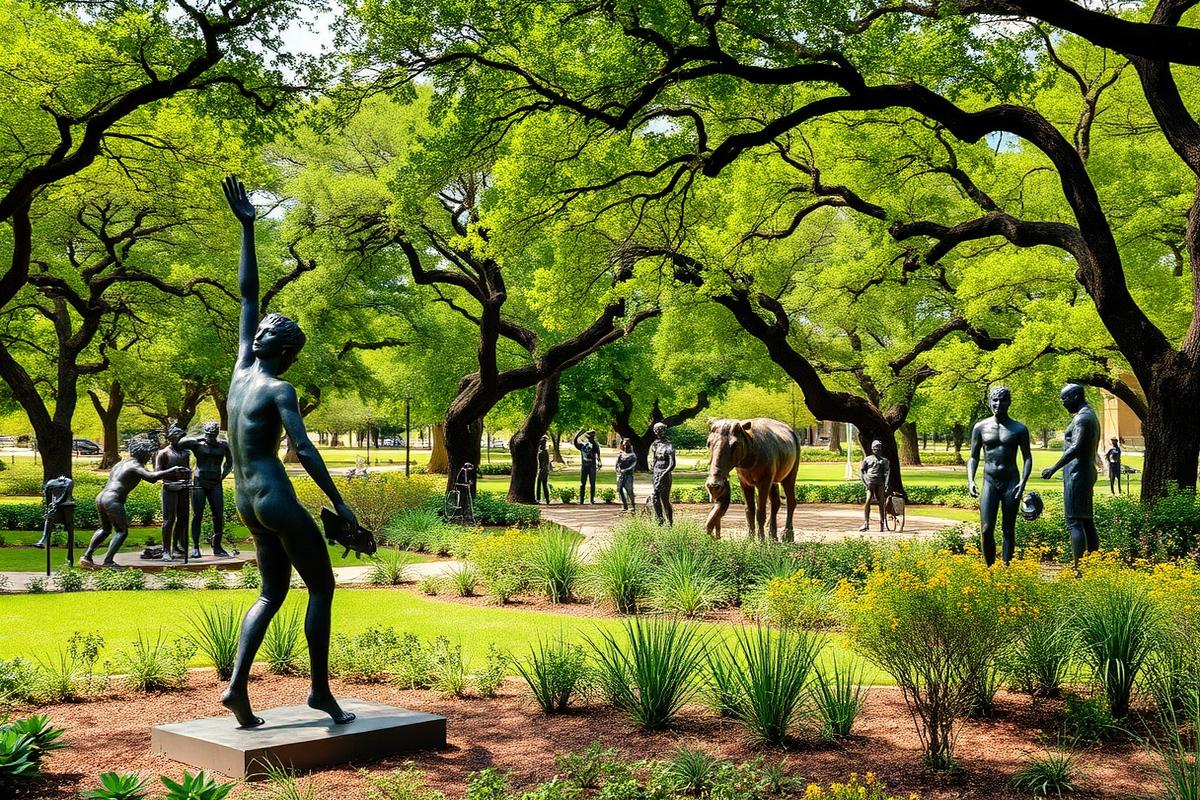
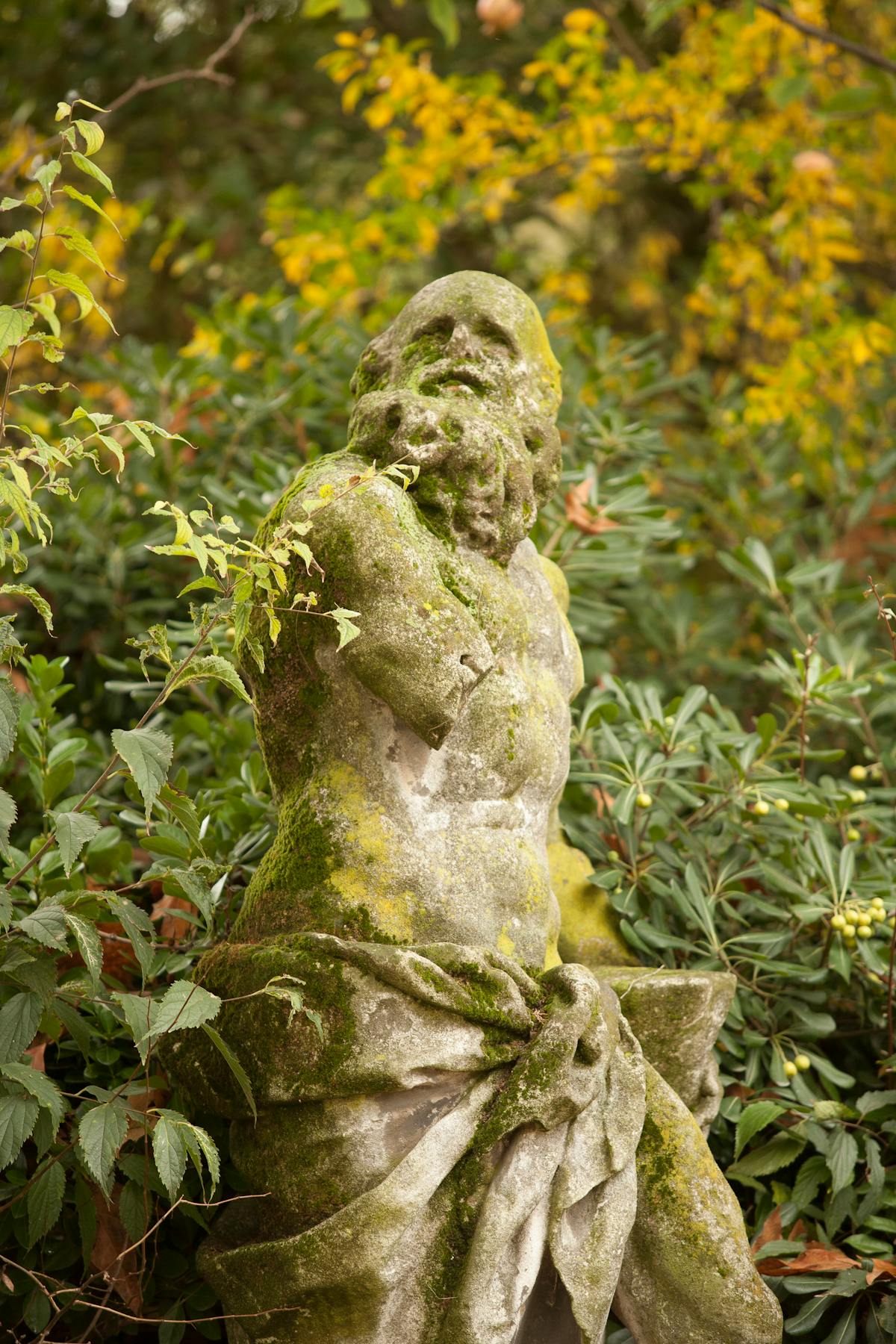
One of Austin's many outdoor sculpture installations in its parks and public spaces
Beyond dedicated sculpture gardens, Austin displays significant public art in parks, plazas, and streetscapes. These works are free, accessible around the clock, and document the figures and values Austin chooses to honor.
The icon of Austin blues—frozen in bronze at his favorite view.
Address: Auditorium Shores, 920 W Riverside Drive (near First Street and Riverside)
Artist: Ralph Helmick
Installed: 1993
The Stevie Ray Vaughan statue has become one of Austin's most photographed landmarks. It depicts the blues guitarist in characteristic pose—cape flowing, cowboy hat tilted, guitar in hand—facing the downtown skyline across Lady Bird Lake.
The location matters: Vaughan performed at Auditorium Shores during Austin City Limits music festivals before his death in a 1990 helicopter crash at age 35. The view from the statue encompasses downtown's growing skyline against water and trees—a quintessentially Austin scene.
Details to notice:
The flowing cape captures motion despite static bronze
Guitar details are accurate to Vaughan's Fender Stratocaster
The face captures Vaughan's intensity mid-performance
The positioning places the downtown skyline as backdrop
Photography tips:
Morning light illuminates the face and guitar
Sunset creates dramatic backlighting with downtown silhouette
Include the skyline for establishing shots
Get low to emphasize the dramatic cape
Visiting: Open 24/7. Best visited early morning to avoid crowds, or at sunset for atmosphere. The surrounding Auditorium Shores area offers trails, lawn space, and views across Lady Bird Lake.
Congress Avenue: Angelina Eberly Statue
Congress Avenue — Austin's grand boulevard connecting the Capitol to the river
The woman who saved Austin's capital status—commemorated in an act of defiance.
Address: Congress Avenue between 6th and 7th Streets (west side)
Artist: Pat Oliphant (editorial cartoonist turned sculptor)
Installed: 2004
Angelina Eberly (1798-1860) fires a cannon in downtown Austin. The statue captures a specific moment from Texas history: December 29, 1842, when President Sam Houston sent agents to secretly remove the Republic of Texas archives from Austin to Houston, effectively moving the capital.
Eberly, an innkeeper, spotted the late-night wagon loading and fired a cannon to wake the city. Austin citizens pursued the wagon, recovered the archives, and preserved Austin's capital status. The episode is known as the "Archive War."
Location context: The statue stands on Congress Avenue, Austin's ceremonial axis connecting the Capitol to the river. It's near the location of Eberly's inn and the site where the archives were being loaded.
Photography: The cannon barrel creates interesting angles. Morning light (east-facing) illuminates the figure directly.
ACL Live at the Moody Theater: Willie Nelson Statue
Austin's favorite son, immortalized in bronze.
Address: 310 Willie Nelson Boulevard (at ACL Live entrance)
Artist: Clete Shields
Installed: 2012
Willie Nelson stands in bronze at the entrance to ACL Live at the Moody Theater, home of the Austin City Limits television program. Braids hanging, guitar ("Trigger") strapped on, the sculpture captures Nelson in performing stance.
The setting: ACL Live serves as the current home of the longest-running music program in American television history. Positioning Nelson's statue at the entrance acknowledges his role in Austin's music identity and his numerous ACL performances over decades.
Details:
Accurate representation of "Trigger," Nelson's well-worn Martin guitar
Signature braids cast in bronze
Casual stance typical of Nelson's performing style
Positioned for fan photography
Photography tips:
Evenings when ACL Live events occur create atmosphere
The UT Austin campus contains significant outdoor sculpture, much of it accessible to non-students.
Key pieces:
The Littlefield Fountain (entrance to campus from South Mall)
Beaux-Arts bronze ensemble by Pompeo Coppini (1933)
Depicts Columbia (representing America) riding the waves
Sea horses and figures represent democracy's triumph
Powerful example of early 20th-century commemorative sculpture
"We March for Justice" (east of the Tower)
Commemorates 1965 civil rights march on campus
Depicts student activists in period dress
Installed 2018
Barbara Jordan Statue (near LBJ Library)
Honors the Houston congresswoman and UT professor
Depicts Jordan seated, commanding presence
Artist: Bruce Wolfe
Martin Luther King Jr. Statue (east mall)
Installed 1999
Depicts King addressing an audience
Part of campus efforts to address its civil rights history
Visiting the campus: UT is a public university; the outdoor spaces are generally accessible. Parking is challenging; consider walking from downtown or using rideshare.
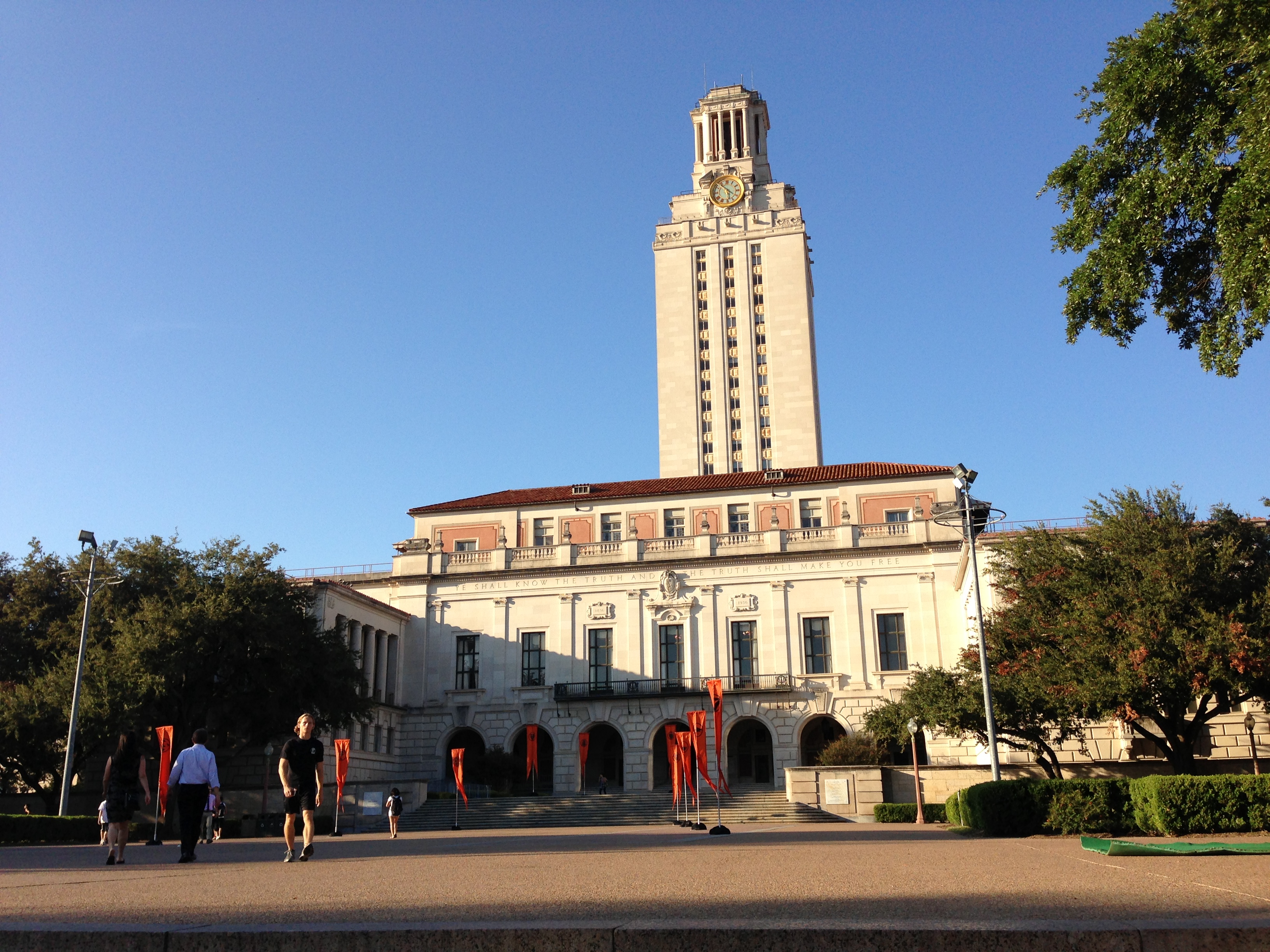
The UT Tower — the campus's Landmarks collection features internationally recognized outdoor sculpture
Texas State Capitol Grounds
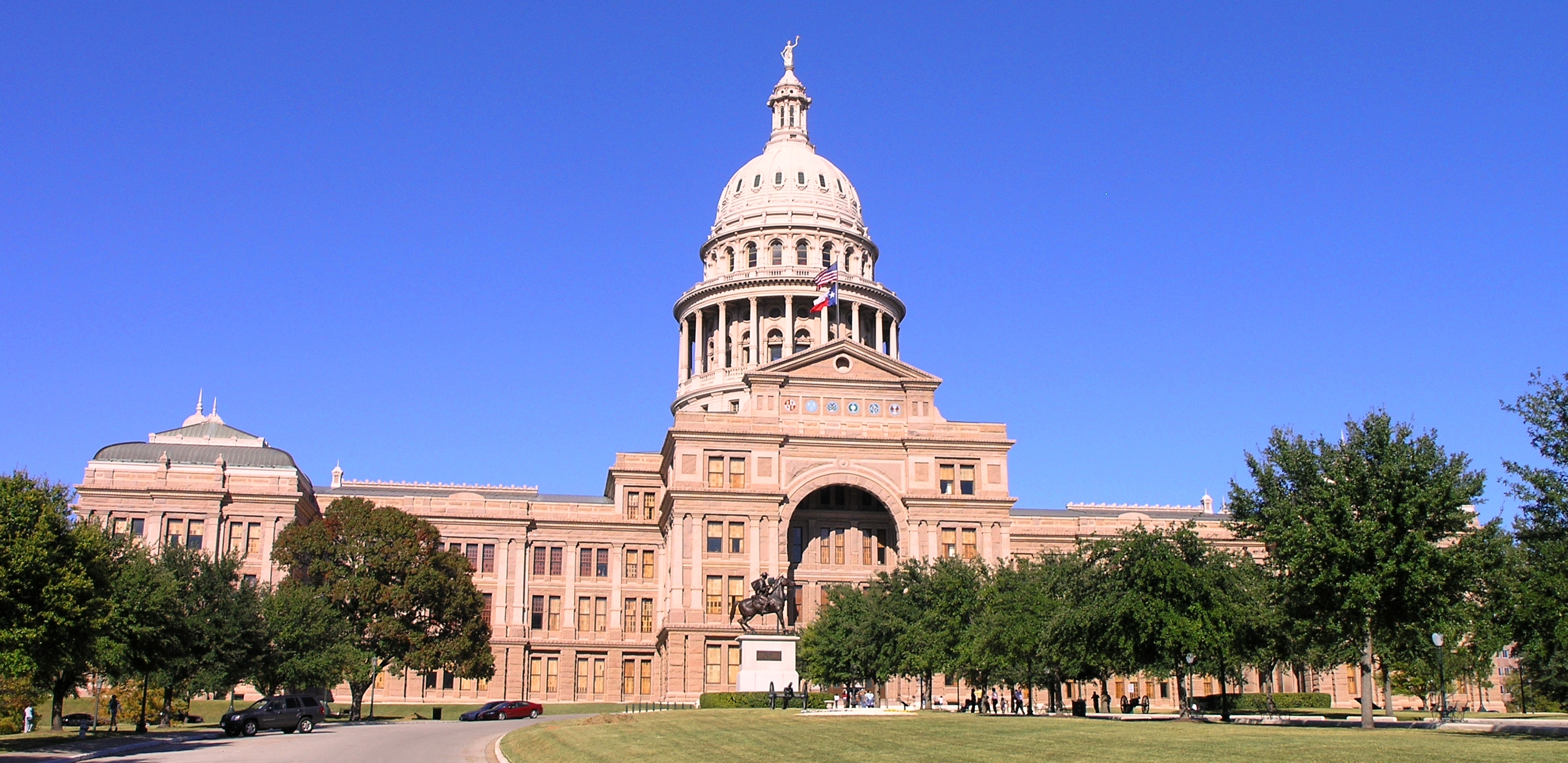
The Texas State Capitol, whose grounds contain over twenty monuments and sculptures
Monuments to Texas history—and complex conversations about memory and heritage.
The grounds surrounding the Texas State Capitol contain over twenty monuments, markers, and sculptural installations. Walking the grounds provides a survey of Texas commemorative art—and the changing ways Texans have chosen to remember their history.
Address: 1100 Congress Avenue, Austin, TX 78701
Hours: Grounds open 24/7; interior tours available during business hours
Admission: FREE
Major Monuments
Texas Heroes Monument (south grounds)
Honors soldiers who fought for Texas independence
Dedicated 1896
Depicts soldiers from the Republic of Texas era
Includes tributes to figures from the Alamo and San Jacinto
Terry's Texas Rangers Monument (south grounds)
Honors 8th Texas Cavalry, a Confederate unit
Mounted ranger on horseback
Installed 1907
Currently subject to ongoing debates about Confederate commemoration
Alamo Cenotaph (relocated reference): While the Alamo Cenotaph is located in San Antonio, the Capitol grounds include markers acknowledging the Alamo's significance to Texas independence.
Goddess of Liberty (atop dome)
Zinc figure holding sword (not torch)
Original 1888; replica replaced deteriorated original in 1986
Visible from miles around Austin
Texas Peace Officers Memorial (west grounds)
Honors law enforcement officers killed in the line of duty
Bronze figures in action poses
Texas African American History Memorial (east grounds)
Installed 2016
Acknowledges centuries of African American contributions to Texas
Includes Juneteenth reference
Photography on Capitol Grounds
Tips:
Morning light (east side) or afternoon light (west side) depending on which monuments you're photographing
The dome makes a dramatic backdrop for statues
Include tourists for scale
The grounds are manicured; compositions benefit from clean backgrounds
Context and Controversy
Several Capitol monuments have become subjects of debate about Confederate commemoration and the complexities of Texas history. The grounds include monuments installed during the Jim Crow era that present particular interpretations of the Civil War and Reconstruction.
Visiting with historical awareness enhances the experience. These monuments reveal not just who Texans chose to honor, but when and why those choices were made. The Capitol grounds function as a museum of Texas memory—a place to see how historical understanding evolves across generations.
Creating Your Sculpture Itinerary
Austin's sculpture venues spread across the city. Strategic planning maximizes your time with three-dimensional art.
Half-Day Sculpture Tour (3-4 hours)
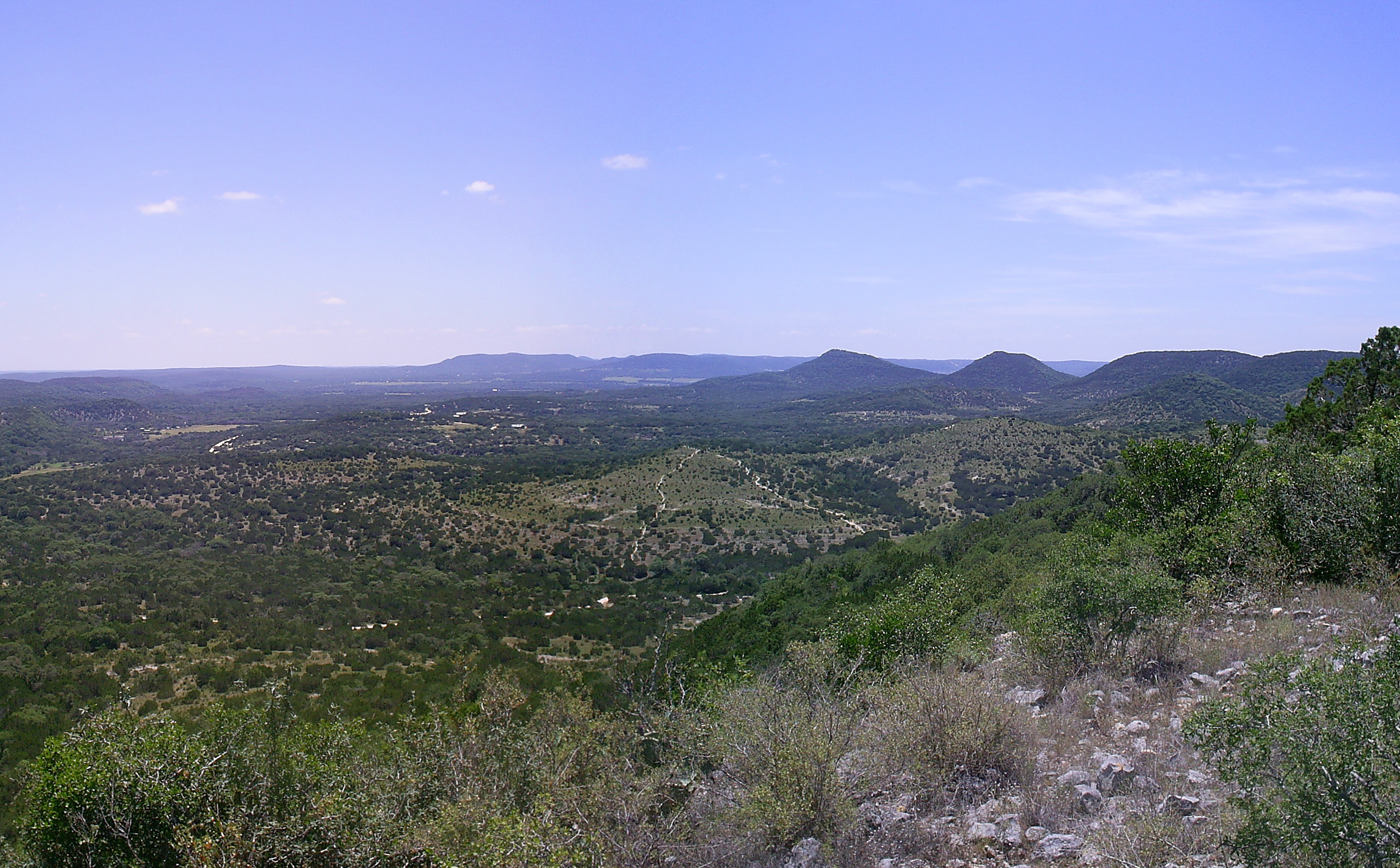
Austin's Hill Country setting provides a stunning natural backdrop for the city's outdoor sculpture venues
Option A: Zilker Area Focus
Morning:
10am: Arrive at UMLAUF Sculpture Garden & Museum
Allow 1-1.5 hours for garden and indoor galleries
Touch the touchable sculptures; children will remember this
Midday:
Walk to Zilker Botanical Garden (adjacent) or Barton Springs Pool
Lunch at nearby options (food trucks, Barton Springs concession)
Afternoon (optional extension):
Drive to Laguna Gloria (15 minutes)
Explore sculpture park; coffee at Spread & Co.
Option B: Downtown Focus
Late Morning:
Begin at Angelina Eberly statue (Congress Avenue)
Walk to Willie Nelson statue at ACL Live
Explore Capitol grounds monuments (allow 1 hour)
Lunch:
Options along Congress Avenue or 6th Street
Afternoon:
Walk or rideshare to Auditorium Shores
Stevie Ray Vaughan memorial
Lady Bird Lake hike and bike trail for additional sculpture encounters
Full-Day Sculpture Tour (6-8 hours)
Morning:
9am: Arrive at Laguna Gloria when gates open
Allow 2-2.5 hours for sculpture park
Coffee and light snack at Spread & Co.
Midday:
Drive to Hyde Park neighborhood (15 minutes)
12pm: Elisabet Ney Museum opens
45 minutes for museum
Lunch in Hyde Park (Quack's, Hyde Park Bar & Grill)
Afternoon:
Drive to Zilker area (15 minutes)
2pm: UMLAUF Sculpture Garden
1.5 hours for garden and museum
Optional: Barton Springs Pool for cooling off
Evening:
Drive downtown (10 minutes)
Walk Congress Avenue: Eberly statue, Capitol grounds
Sunset at Auditorium Shores: Stevie Ray Vaughan statue
Dinner in downtown Austin
Thursday Special: Free Museum Day
Thursday offers the best value for sculpture enthusiasts.
Both Laguna Gloria and The Contemporary Austin's Jones Center offer free admission all day Thursday. Laguna Gloria extends hours until 9pm—rare evening access to outdoor sculpture.
Optimal Thursday itinerary:
Afternoon (3pm): Arrive at Laguna Gloria as afternoon light softens
Explore grounds as light transitions toward golden hour
Sunset (6-7pm): Experience sculpture in evening light
After dark: The grounds take on mysterious quality as darkness falls
Drive downtown: Jones Center galleries until 9pm close
This single day provides access to Austin's premier contemporary sculpture venue and contemporary art galleries without admission fees.
The three essential sculpture destinations are Laguna Gloria (The Contemporary Austin's 14-acre sculpture park on Lake Austin), the UMLAUF Sculpture Garden & Museum near Zilker Park, and the Elisabet Ney Museum in Hyde Park. Laguna Gloria offers world-class contemporary installations, UMLAUF features touchable bronze sculptures, and the Ney Museum preserves a 19th-century sculptor's original studio — all providing distinctly different experiences.
Are Austin sculpture gardens free?
The Elisabet Ney Museum is always free. UMLAUF offers free admission on the first Tuesday of each month. Laguna Gloria offers free admission every Thursday. The Texas State Capitol grounds, Auditorium Shores (Stevie Ray Vaughan statue), and all public sculptures on Congress Avenue and the UT campus are always free and accessible 24/7.
The Texas State Capitol grounds, Auditorium Shores (Stevie Ray Vaughan statue), and all public sculptures on Congress Avenue and the UT campus are always free and accessible 24/7.
Can you touch the sculptures at UMLAUF?
Yes — UMLAUF is one of the rare sculpture venues where visitors are actively encouraged to touch the outdoor bronze sculptures. This tactile policy makes it especially valuable for children, visitors with visual impairments, and anyone curious about how sculpture feels. Indoor gallery pieces follow standard museum no-touch rules.
When is the best time to visit Laguna Gloria?
Thursday evenings offer the best combination: free admission and extended hours until 9pm. This allows you to experience the sculpture as light transitions from afternoon to golden hour to twilight. Weekday mornings (9-11am) are ideal for avoiding crowds. Avoid Saturday afternoons in spring when attendance peaks.
Is Laguna Gloria wheelchair accessible?
Partially. The main paved paths through Laguna Gloria are wheelchair accessible, but some hillside trails and natural-surface paths are not. UMLAUF has good overall accessibility, and the Elisabet Ney Museum's ground floor is fully accessible. Call ahead for specific accommodation needs.
How long should I spend at each sculpture garden?
Plan 2-3 hours for Laguna Gloria to walk the full grounds and enjoy the cafe. UMLAUF takes 1-1.5 hours for the garden and indoor galleries. The Elisabet Ney Museum needs 30-60 minutes. A full-day sculpture tour covering all three plus downtown public sculptures takes 6-8 hours.
Are dogs allowed at Austin sculpture gardens?
Dogs on leash are welcome at Laguna Gloria, making it one of the few art venues in Austin that's dog-friendly. Check UMLAUF's current pet policy before visiting. The Capitol grounds and public sculpture locations (Auditorium Shores, Congress Avenue) are open to leashed dogs.
What public sculptures are in downtown Austin?
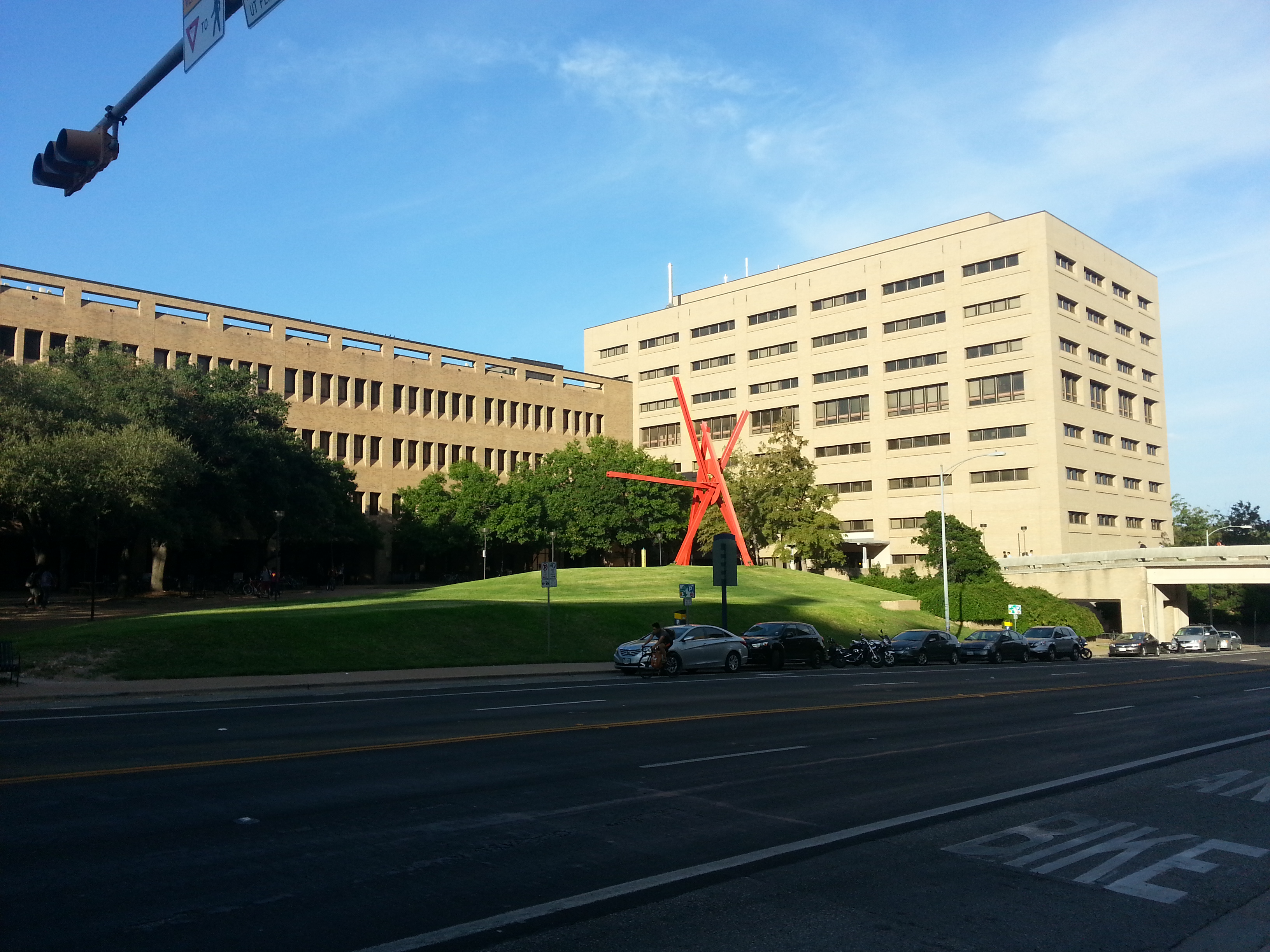
Key downtown sculptures include the Stevie Ray Vaughan Memorial at Auditorium Shores, the Angelina Eberly statue on Congress Avenue (depicting the woman who saved Austin's capital status), the Willie Nelson statue at ACL Live, and over twenty monuments on the Texas State Capitol grounds. The UT campus also features significant sculptures including Mark di Suvero's 41-foot Clock Knot.
The UT campus also features significant sculptures including Mark di Suvero's 41-foot Clock Knot.
Can I photograph sculptures in Austin parks?
Personal photography is welcome at all Austin sculpture venues. Tripods are generally permitted at Laguna Gloria but may be restricted near certain works. Flash is discouraged at most venues. Commercial and professional shoots require advance permission. Social media photography is actively encouraged.
Spending time with sculpture—walking around pieces, seeing how they change with light, understanding scale—often awakens collecting impulses. The desire to live with three-dimensional art daily follows naturally from meaningful encounters in gardens and public spaces.
If your sculpture explorations spark interest in acquiring work for your own spaces, explore Austin Gallery's collection—including sculptural pieces and three-dimensional work by contemporary artists. From tabletop bronzes to larger installations, we can help you find sculpture that brings the contemplative experience of these gardens into your daily life.
Discovered a sculpture we missed? Found a new public art installation worth noting? Let us know—Austin's sculpture scene continues evolving, and we want this guide to remain comprehensive.
Pro Tip
Visit sculpture gardens in the golden hour before sunset. The warm light transforms the pieces and makes for spectacular photography.
Share
Austin Art Insider
Free weekly guide to galleries, exhibitions & collecting in Austin.
Consignment
Have Art You Want to Sell?
Free appraisals, zero upfront fees, nationwide service from Austin, Texas.