Austin Gallery
Collecting15 min read

What to Do with Inherited Art: The Complete Guide to Valuing, Keeping, Selling, or Donating Family Artwork

A comprehensive guide to handling inherited art—from immediate steps to long-term decisions about appraisals, taxes, insurance, selling, donating, and caring for family artwork.

By Austin Gallery

What to Do with Inherited Art: The Complete Guide to Valuing, Keeping, Selling, or Donating Family Artwork
This article contains affiliate links. Austin Gallery may earn a commission at no cost to you.

Key Takeaways

  • Get a professional appraisal before making any decisions about inherited artwork
  • You have four main options: keep, sell, donate, or store — each with different tax implications
  • Inherited art receives a stepped-up cost basis, which can significantly reduce capital gains tax if you sell
  • Sentimental value and market value are different things — honor both when deciding

Inheriting art can be both a profound gift and an overwhelming responsibility. Whether you've received a single cherished painting from a grandparent or an entire collection from an estate, you're now faced with important decisions that involve emotion, finances, and logistics.

This comprehensive guide walks you through every aspect of managing inherited artwork—from the crucial first steps to long-term decisions about keeping, selling, or donating pieces. We'll cover appraisals, tax implications, insurance, storage, and the emotional journey of stewardship.


Photo: Stephanie Klepacki / Unsplash

The Critical First 30 Days: What to Do Immediately

The period immediately following an inheritance is often chaotic. Here's a structured approach to protect both the art and your interests.

Here's a structured approach to protect both the art and your interests.

Document Everything Before Moving Anything

Before you touch, move, or clean any artwork, photograph it extensively:

  • Front and back of each piece in natural light
  • Any labels, stamps, or inscriptions on the reverse
  • Frame condition and hardware
  • Close-ups of signatures or artist marks
  • Any damage, no matter how minor
  • The location where you found it (provenance documentation)

This documentation serves three purposes: insurance claims, authenticity verification, and establishing provenance for future sale or donation.

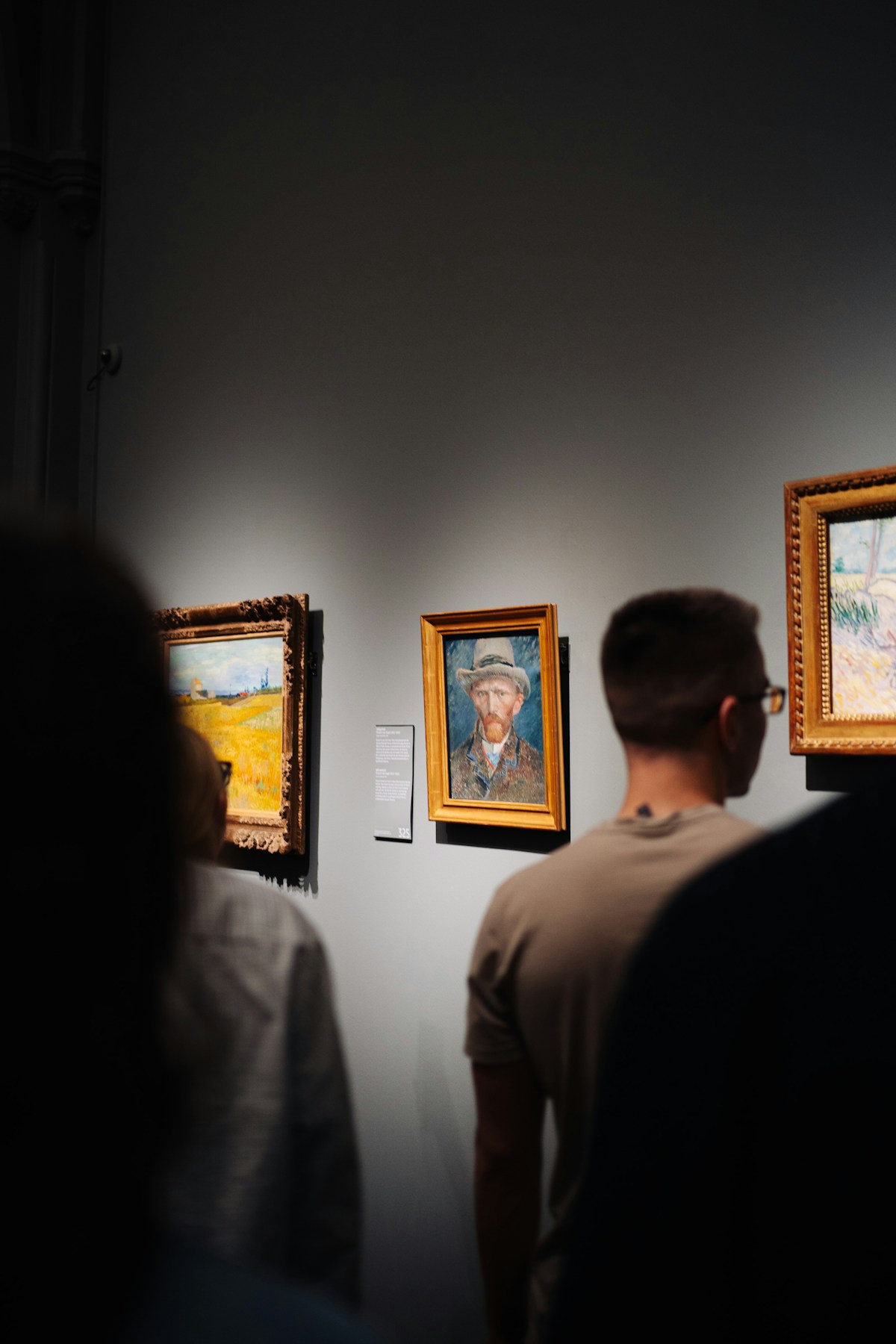
Visitors examining paintings at a museum gallery — the same careful attention you should bring to evaluating inherited artwork
Robert Bhatt / Unsplash

Secure and Store Properly

Inherited art often comes from homes that may not have optimal conditions. Move pieces to a climate-controlled environment (65-75°F, 40-50% relative humidity) as soon as possible.

50%

Move pieces to a climate-controlled environment (65-75°F, 40- relative humidity) as soon as possible

Immediate storage priorities:

  • Avoid attics, basements, and garages
  • Keep away from direct sunlight and heat sources
  • Store framed works upright, never flat
  • Use acid-free materials for any wrapping
  • Never stack paintings face-to-face

If the collection is large, consider professional art storage—typically $50-300 per month depending on size and location.

Contact Estate Attorney and Executor

Before selling, donating, or giving away any inherited art, confirm:

  • Clear title and ownership documentation
  • Any restrictions in the will or trust
  • Multiple beneficiary considerations
  • Outstanding estate taxes that might affect the art

Art can be subject to specific bequests, so don't assume everything is yours to manage freely.


Getting an Art Appraisal: The Foundation of Every Decision

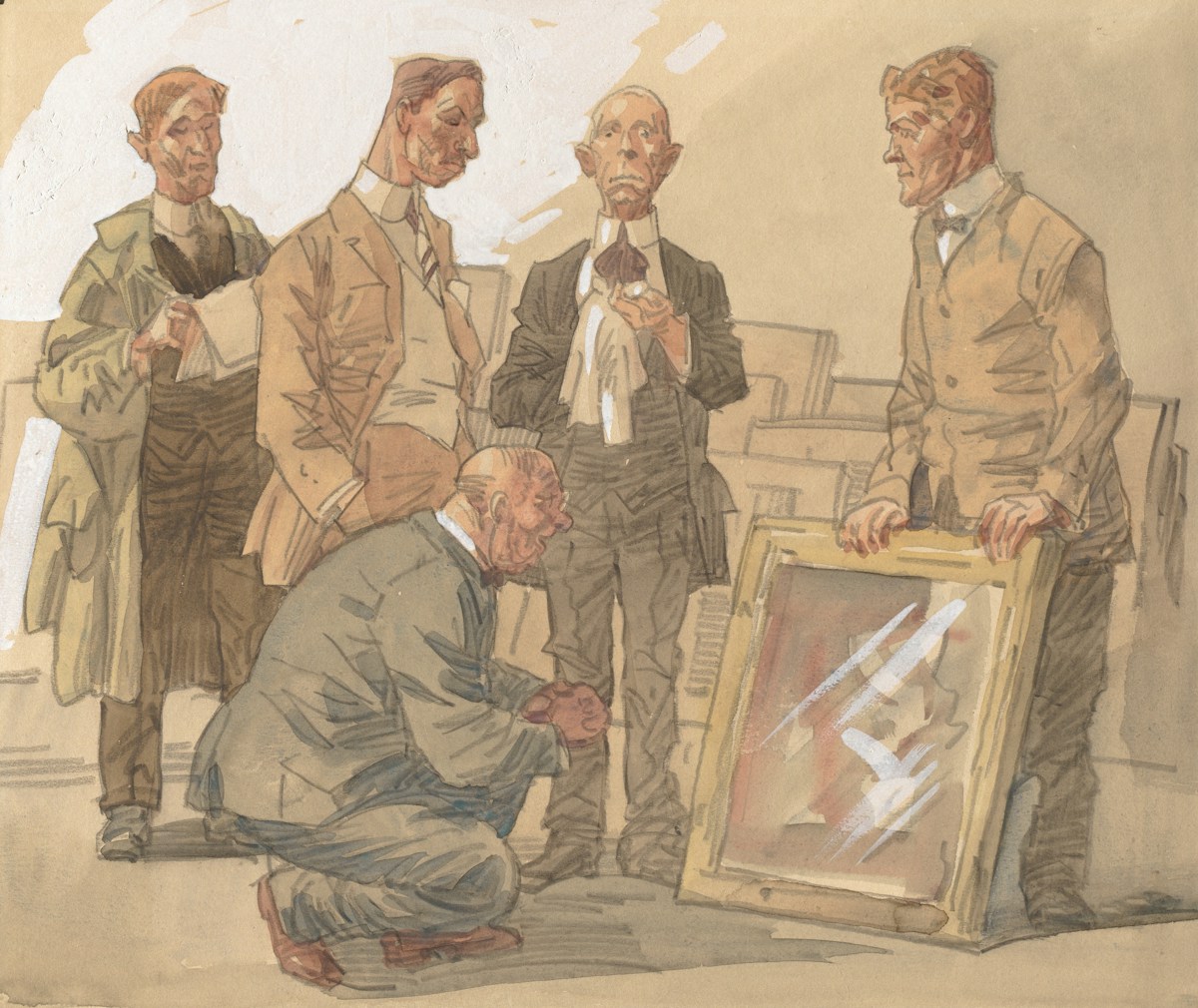
Men examining a framed painting — from Frank Wilcox's
The Cleveland Museum of Art / Unsplash

Whether you plan to keep, sell, or donate inherited art, a professional appraisal is essential. It establishes value for insurance, taxes, and informed decision-making.

Types of Appraisals

Insurance Appraisal (Replacement Value)

  • Determines what it would cost to replace the piece
  • Typically the highest valuation
  • Required for scheduling art on a homeowner's or fine art policy
  • Cost: $250-500 per item for most works

Estate/Tax Appraisal (Fair Market Value)

  • IRS-compliant valuation for estate tax purposes
  • Required if total estate exceeds federal threshold (currently $13.61 million in 2024)
  • Must be completed within 9 months of death for estate tax filing
  • Cost: $300-1,000+ depending on complexity

Donation Appraisal

  • Required for charitable contribution deductions over $5,000
  • Must be conducted by a qualified, independent appraiser
  • Cannot be done by the receiving institution
  • Cost: $350-750 per item typically

Finding a Qualified Appraiser

Look for appraisers with these credentials:

  • ASA (American Society of Appraisers) designation
  • AAA (Appraisers Association of America) membership
  • Specialty in the specific type of art you've inherited
  • No conflict of interest (shouldn't also want to buy or sell the work)

For works potentially worth over $25,000, consider getting two independent appraisals.

What to Expect from the Process

A thorough appraisal includes:

  1. Physical examination of the work
  2. Research into the artist's market history
  3. Comparable sales analysis (auction records, gallery sales)
  4. Condition assessment
  5. Provenance research
  6. Written report with photographs

Turnaround time: 2-6 weeks for most appraisals.


Understanding the Tax Implications of Inherited Art

Art inheritance triggers specific tax considerations that differ from other assets. Understanding these can save you thousands—or help you avoid costly mistakes.

The Stepped-Up Basis Advantage

When you inherit art, your "cost basis" becomes the fair market value at the date of death—not what the original owner paid. This is called a "stepped-up basis."

Example:

  • Grandparent bought painting in 1965 for $500
  • Painting worth $50,000 at date of death
  • Your cost basis: $50,000 (not $500)
  • If you sell for $55,000, you only owe capital gains on $5,000

This stepped-up basis is one of the most significant tax advantages in inherited property.

Capital Gains When Selling

If you sell inherited art for more than its stepped-up basis:

  • Held less than 1 year: Ordinary income tax rates (up to 37%)
  • Held more than 1 year: Collectibles rate of 28% (higher than typical long-term capital gains)

Art is classified as a "collectible" by the IRS, so it doesn't benefit from the lower 15-20% long-term capital gains rates that apply to stocks.

Estate Tax Considerations

If the total estate exceeds federal thresholds, art is included in the taxable estate at fair market value. This is why a timely, accurate appraisal is crucial.

Some states have their own estate taxes with lower thresholds—check your state's requirements.

Charitable Donation Deductions

Donating appreciated inherited art to a qualified museum or institution can provide significant tax benefits:

  • Deduction based on fair market value (not original basis)
  • Deduction limited to 30% of AGI for appreciated property
  • Unused deductions can carry forward 5 years
  • No capital gains tax on the appreciation

For high-value pieces, donation can sometimes provide greater net benefit than selling.


Option 1: Keeping Inherited Art

If you choose to keep inherited pieces, proper care ensures they retain value and condition for future generations.

Insurance Requirements

Standard homeowner's policies typically provide limited coverage for fine art:

Austin Art Insider

Free weekly guide to galleries, exhibitions & collecting in Austin.

  • Most policies cap at $2,500-5,000 for any single item
  • "Mysterious disappearance" often excluded
  • Damage from poor condition may not be covered

Consider these specialized options:

  • Scheduled coverage: Individual pieces listed with appraised values
  • Blanket fine art policy: Coverage for entire collection up to a limit
  • Standalone fine art insurance: Companies like AXA Art, Chubb, or Berkley One

Cost typically runs 0.1-0.5% of total value annually.

Display Best Practices

Proper display protects your investment:

  • Avoid direct sunlight (UV causes fading and deterioration)
  • Maintain consistent humidity (40-50% ideal)
  • Use museum-quality framing with UV-protective glass
  • Install picture lights that produce minimal heat
  • Keep away from fireplaces, vents, and exterior walls

Conservation and Restoration

If inherited works show damage or deterioration:

  • Consult a conservator before attempting any cleaning
  • Document condition before any treatment
  • Keep records of all conservation work
  • Never "restore" without professional guidance

Find conservators through the American Institute for Conservation (AIC) directory.


The Julia and Hans Rausing Room at The National Gallery, London — major auction houses and galleries like this are where high-value inherited art often finds new owners
Brett Wharton / Unsplash

Option 2: Selling Inherited Art

Selling can provide liquidity, simplify estate division, or fund other priorities. Understanding your options helps maximize returns.

Auction Houses

Major Houses (Christie's, Sotheby's, Phillips)

Best for:

  • Works valued over $5,000
  • Recognized artists with auction track records
  • Pieces with strong provenance

Expect:

  • Seller's commission: 10-25% of hammer price
  • Marketing and catalog fees may apply
  • Timeframes of 3-6 months to sale
  • Reserve prices protect against underselling

Regional Auction Houses

Best for:

  • Works valued $500-10,000
  • Regional artists or decorative arts
  • Faster turnaround needed

Expect:

  • Lower fees (often 15-20%)
  • Smaller buyer pools
  • Less prestige but often good results

Private Dealers and Galleries

Advantages:

  • No public auction record (for privacy)
  • Potential for quicker sales
  • Expert knowledge of specific markets

Considerations:

  • May take pieces on consignment (6-12 months typical)
  • Commission ranges 20-50%
  • Fewer buyers than auction

Online Platforms

For mid-range works ($500-5,000), online options include:

  • 1stDibs: Curated, higher-end decorative arts
  • Artsy: Contemporary and modern focus
  • LiveAuctioneers: Aggregates regional auctions
  • eBay: Wide reach, variable quality

Always factor in shipping, insurance, and platform fees when calculating net proceeds.

Direct Private Sales

Selling directly to collectors or institutions:

Pros:

  • No commission fees
  • Full control over transaction
  • Can be quick if buyer identified

Cons:

  • Finding qualified buyers is difficult
  • Pricing without market expertise risks leaving money on table
  • Legal/logistics fall entirely on you

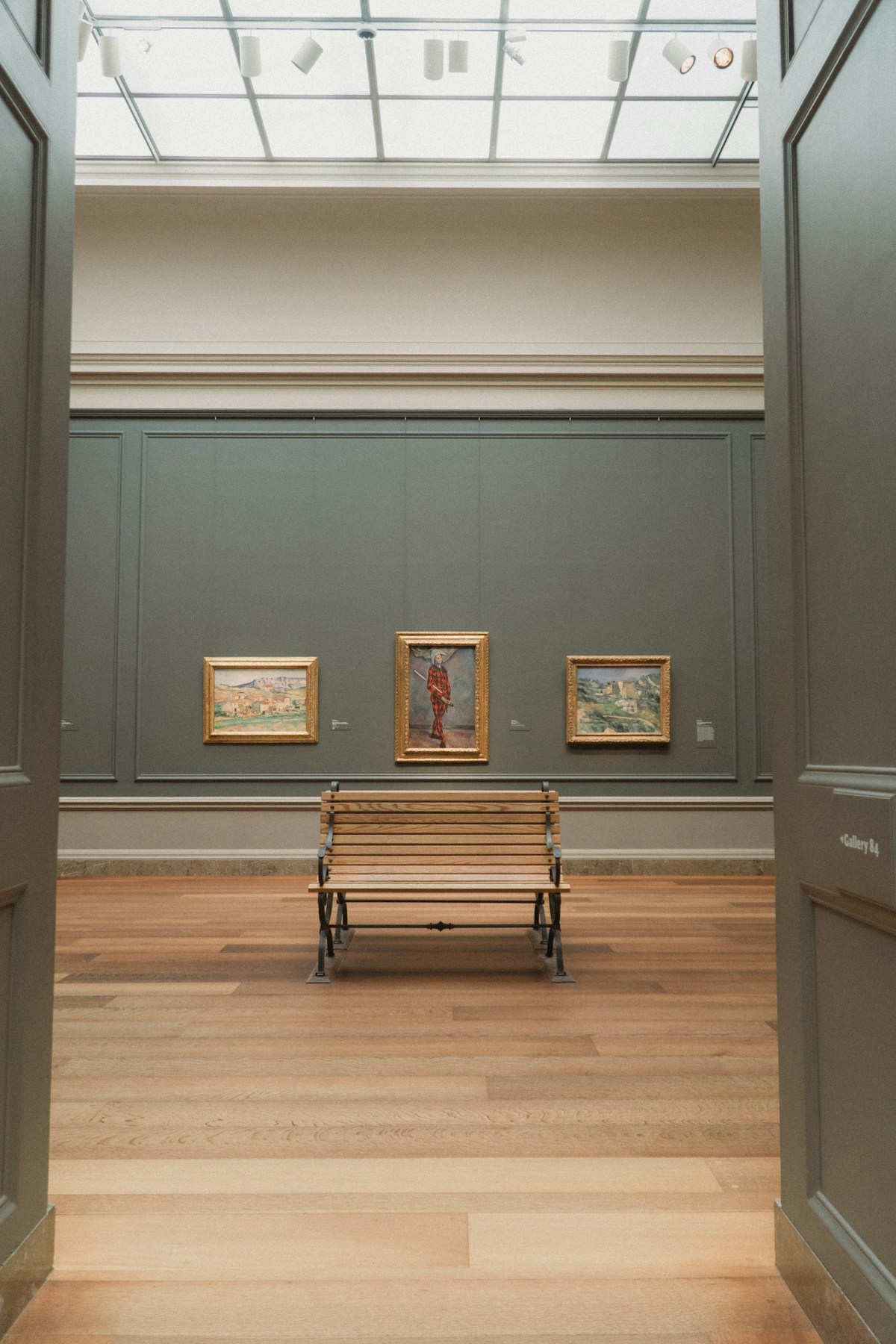
A quiet museum gallery — donating inherited art to an institution ensures it will be preserved and appreciated by the public
Jerrick Castillo / Unsplash

Option 3: Donating Inherited Art

Donation can provide tax benefits while ensuring works are preserved and appreciated by the public.

Finding the Right Institution

Consider:

  • Museums with related collections: Art finds context among similar works
  • University galleries: Often more flexible and appreciative of gifts
  • Local historical societies: For regional artists or locally significant work
  • Libraries or public institutions: For prints, works on paper

Before offering:

  • Research the institution's collection scope
  • Check their gift policy and requirements
  • Understand if they'll actually display or store the work
  • Ask about deaccessioning policies

The Donation Process

Step 1: Initial Inquiry Contact the curatorial department with images and information. Don't be offended if they decline—museums receive many offers.

Step 2: Curatorial Review If interested, they'll want to examine the work in person and research provenance.

Step 3: Committee Approval Most museums require board or committee approval for gifts.

Step 4: Appraisal You must obtain an independent appraisal for tax purposes—the museum cannot provide this.

Step 5: Deed of Gift Legal transfer of ownership with any agreed restrictions.

Timeline: Often 6-12 months from initial inquiry to completed donation.

Partial Interest Donations

You can donate a "fractional interest" in artwork:

  • Donate 50% interest while retaining possession
  • Museum takes physical possession proportionally (e.g., 6 months per year)
  • Additional interests can be donated over time
  • Must complete transfer within 10 years

This can spread tax benefits over multiple years.


Special Situations

When You Can't Identify the Artist

Many inherited pieces lack clear attribution. Options include:

  • Research services from auction houses (often free for potential consignments)
  • Art history departments at local universities
  • Online artist databases like AskArt, Artnet, or MutualArt
  • Professional art researchers for complex cases

Even unsigned works may have value if the style or period is desirable.

Works of Uncertain Authenticity

If authenticity is questioned:

  • Seek expert opinions from scholars specializing in the artist
  • Consider scientific analysis (pigment testing, X-ray, infrared)
  • Check catalogue raisonnés (complete listings of an artist's work)
  • Research provenance gaps that might indicate problems

Never represent a work as genuine if you have doubts—this can create legal liability.

Damaged or Poor Condition Works

Even damaged art may have value:

  • Conservation estimates help buyers assess total cost
  • Auction houses disclose condition and adjust estimates
  • Some collectors specifically seek "project" pieces
  • Insurance claims may apply if damage occurred during your ownership

Get a conservator's assessment before assuming something is worthless.

Large Collections

Managing dozens or hundreds of pieces requires different strategies:

  • Catalog systematically with spreadsheets or collection management software
  • Prioritize appraisals for works most likely to have significant value
  • Consider estate sales for lower-value items
  • Storage costs add up—make decisions promptly

Works with Problematic Provenance

Art that may have been looted, stolen, or illegally exported requires special handling:

  • Nazi-era concerns: Check the Art Loss Register and related databases
  • Cultural property issues: Research export laws from country of origin
  • Consult specialized attorneys before selling works with gaps in provenance

Selling problematic works can result in legal action and reputational damage.


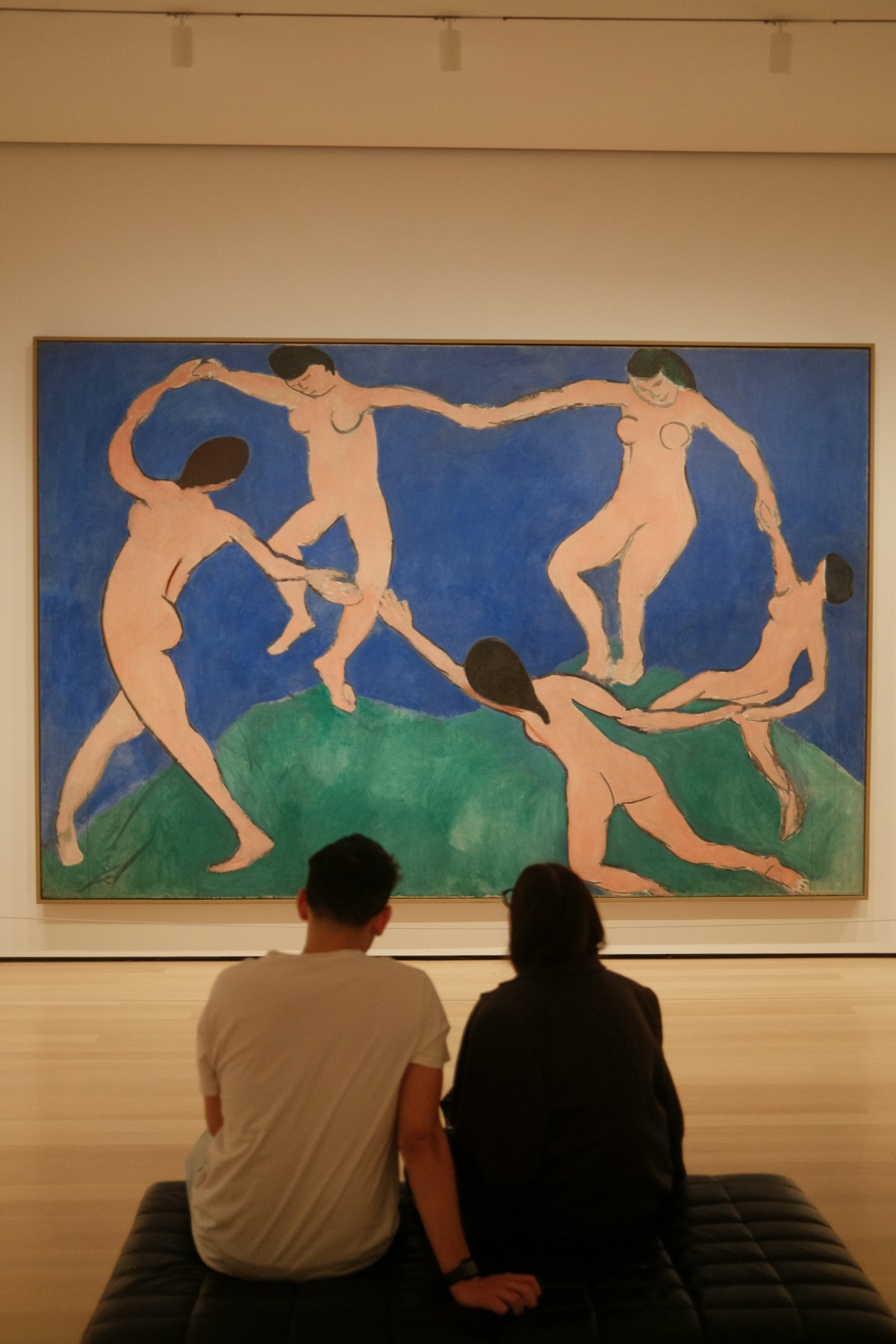
A couple sitting together viewing Matisse's
Kevin Snow / Unsplash

The Emotional Side of Inherited Art

Art inheritance isn't just about money—it's about memory, identity, and family history.

Honoring Without Hoarding

You're not obligated to keep art that doesn't fit your life:

  • The previous owner would likely want you to enjoy your inheritance
  • Selling or donating isn't disrespectful—it's practical stewardship
  • Photographs preserve memory without the burden of physical objects
  • Consider keeping one meaningful piece rather than an entire collection

When Family Members Disagree

If multiple heirs have different views:

  • Communicate openly before making irreversible decisions
  • Consider equitable distribution of proceeds rather than specific pieces
  • Use a mediator if emotions run high
  • Document agreements in writing

Creating New Meaning

Inherited art can become part of your own story:

  • Display pieces in ways that feel authentic to you
  • Learn about the artists and share those stories
  • Consider why the previous owner collected these works
  • Pass on the provenance story with the art


Your Inherited Art Action Plan

Within 30 Days

  • Document all pieces with photographs
  • Secure in climate-controlled environment
  • Confirm ownership with estate executor
  • Review insurance coverage

Within 90 Days

  • Get appraisals for significant pieces
  • Consult with tax advisor on implications
  • Begin research on unknown artists
  • Decide on general approach (keep/sell/donate)

Within 6 Months

  • Implement selling or donation plans
  • Update insurance as needed
  • Complete any required tax filings
  • Properly store or display pieces you're keeping

Ongoing

  • Monitor art market for changes affecting value
  • Maintain records of all transactions and appraisals
  • Review insurance coverage annually
  • Document provenance for future generations


Getting Professional Help

Managing inherited art often benefits from professional guidance:

  • Estate attorneys for ownership and distribution issues
  • Tax advisors for optimal tax treatment
  • Appraisers for valuation
  • Conservators for condition assessment and treatment
  • Art advisors for selling strategy and market knowledge
  • Insurance specialists for proper coverage

The investment in professional advice typically pays for itself in better outcomes and avoided mistakes.


Inheriting art is ultimately a privilege—you've been entrusted with objects that someone valued enough to preserve and pass on. Whether you keep, sell, or donate these works, approaching the process with care and knowledge honors both the art and the person who left it to you.

Inheriting art is ultimately a privilege—you've been entrusted with objects that someone valued enough to preserve and pass on.

Need help evaluating inherited artwork? Our team at Austin Gallery offers complimentary initial consultations for inherited collections. Contact us to discuss your situation.

Pro Tip

Photograph every piece front and back before touching anything. Document any inscriptions, labels, or gallery stickers — these establish provenance.

Insider Tip

If the art needs appraisal, hire an ASA-certified appraiser, not a dealer who might buy it. Dealers have an inherent conflict of interest.

Stepped-Up Basis

A tax provision where inherited property's cost basis is reset to its fair market value at the date of death, rather than the original purchase price. This can eliminate decades of appreciation from capital gains calculations.

Share

Explore Our Collection

View All

Further Reading


Related Articles