Why Prints Matter: The Complete Guide to Collecting Original Multiples (Collector's Guide)
From Durer's woodcuts to Warhol's screenprints, original prints have shaped art history. A comprehensive guide covering print types, edition information, investment potential, where to buy, and long-term care for collectors.
By Austin Gallery
This article contains affiliate links. Austin Gallery may earn a commission at no cost to you.
Prints are one of the art world's best-kept secrets. While paintings dominate headlines and sculpture commands museum lobbies, original prints have quietly built some of the most important collections in history — and they remain one of the most accessible, intellectually rich, and rewarding categories for collectors at every level. If you've ever dismissed a print as "just a copy," you're about to discover an entire universe of original art that has captivated collectors for over five centuries.
Original prints (etchings, lithographs, woodcuts, screenprints) are original artworks — not reproductions
Prints offer access to major artists at a fraction of the price of unique works
Edition size, impression quality, and condition are the key value factors for prints
A well-curated print collection can rival any painting collection in visual impact
At Austin Gallery, we handle prints regularly through our consignment program, and we can tell you firsthand: original multiples are among the most misunderstood and undervalued works in the secondary market. This guide will change that for you.
What Makes a Print "Original" — And Why That Word Matters
Here is the single most important distinction in print collecting: an original print is not a reproduction. A reproduction is a photographic or digital copy of an artwork that already exists in another medium. An original print is a work of art conceived, designed, and executed by the artist specifically for the printmaking medium. The matrix — whether a copper plate, lithographic stone, woodblock, or silkscreen — is itself the creative instrument.
Here is the single most important distinction in print collecting: an original print is not a reproduction.
When Rembrandt pulled an etching from his copper plate, each impression was an original work of art. When Warhol squeegeed ink through a silkscreen, the resulting print was the artwork, not a copy of something else. This is the fundamental concept that separates collecting prints from buying posters, and it is the reason original prints hang in the Metropolitan Museum of Art's Department of Drawings and Prints, the British Museum, and every serious art institution on earth.
The International Fine Print Dealers Association (IFPDA) defines an original print as a work where "the artist alone has created the master image on the plate, stone, woodblock, or other material, for the purpose of creating the print." Some prints involve master printers working alongside the artist — a long and respected tradition — but the creative vision originates with the artist.
The Major Print Techniques Every Collector Should Know
Understanding technique is not academic trivia. It directly affects a print's value, rarity, visual character, and longevity. Here are the major categories.
Intaglio: Etching, Engraving, Drypoint, Aquatint, and Mezzotint
Intaglio prints are made by incising or corroding lines into a metal plate (usually copper or zinc), inking the recessed areas, wiping the surface clean, and pressing damp paper into the grooves under enormous pressure. The result is a distinctive plate mark embossed into the paper — one of the easiest authentication markers for collectors.
Etching uses acid to bite lines into a wax-coated plate. The artist draws freely through the ground, making etching the most painterly of the intaglio techniques. Rembrandt's etchings — especially late impressions of works like The Three Crosses — remain among the most sought-after prints in the world. Drypoint involves scratching directly into the plate with a sharp needle, creating a soft, velvety burr that wears down quickly, making early impressions far more valuable. Engraving uses a burin to cut precise V-shaped grooves, producing the crisp, controlled lines you see in Albrecht Dürer's legendary woodcuts and engravings. Aquatint creates tonal areas rather than lines, essential for works by Goya and many contemporary printmakers. Mezzotint works in reverse — the entire plate is roughened, then the artist burnishes areas smooth to create light from dark.
Relief: Woodcut, Wood Engraving, and Linocut
Relief printing is the oldest printmaking technique. The artist carves away the areas that should not print, leaving raised surfaces that receive ink. Woodcut (cutting along the grain) produced masterpieces like Hokusai's The Great Wave off Kanagawa and Dürer's Apocalypse series. Wood engraving (cutting across the end grain) allows much finer detail. Linocut uses linoleum instead of wood, offering a softer, more forgiving surface. Picasso famously revolutionized the linocut with his reduction technique, and contemporary artists continue to push the medium.
Planographic: Lithography
Invented in 1796, lithography is based on the chemical principle that oil and water do not mix. The artist draws on a flat limestone slab or aluminum plate with a greasy crayon or tusche, and the image is chemically fixed so that ink adheres only to the drawn areas. Lithography allowed artists to draw as naturally as on paper, which is why Toulouse-Lautrec, Bonnard, Chagall, and later Jasper Johns and David Hockney embraced it so enthusiastically. Lithographs can achieve extraordinary color complexity and subtlety.
Stencil: Screenprint (Serigraphy)
Screenprinting forces ink through a mesh screen onto paper, with stencils blocking non-image areas. Andy Warhol made screenprinting synonymous with Pop Art, and the technique's capacity for bold, flat, saturated color made it the defining medium of the 1960s and 70s. Today, artists like Kaws and Shepard Fairey keep the tradition vital. The term serigraphy is sometimes used to distinguish fine-art screenprints from commercial applications.
Monotype and Monoprint
A monotype is a one-of-a-kind print made by painting or drawing on a smooth plate and pressing paper against it. Because only one strong impression can be pulled, monotypes blur the line between print and painting. A monoprint uses a repeatable matrix (like an etched plate) but adds unique hand-applied elements, so each impression is different.
Giclée: The Modern Debate
Giclée (from the French gicler, "to spray") refers to high-resolution inkjet prints, typically on archival paper or canvas. Giclées are not original prints in the traditional sense — they are digital reproductions. However, some contemporary artists use inkjet technology as a creative tool in itself, sometimes hand-finishing each print. If you are buying a giclée, know exactly what you are getting: a reproduction, a digitally originated artwork, or something in between. Price should reflect the distinction.
How to Read Edition Numbers Like a Pro
When you pick up a print and see "15/50" penciled in the lower left margin, that means it is the fifteenth impression in an edition of fifty. But edition notation is richer than a single fraction.
Numbered edition (e.g., 7/75): The total number of impressions the artist authorized. Lower edition sizes generally command higher prices.
A.P. or E.A. (Artist's Proof / Épreuve d'Artiste): Impressions reserved for the artist, traditionally about 10% of the edition. These are identical in quality to the numbered edition and sometimes carry a premium at auction.
H.C. (Hors Commerce): "Outside commerce" — proofs not intended for sale, often given to collaborators or institutions.
P.P. (Printer's Proof): Reserved for the master printer.
B.A.T. (Bon à Tirer): The single proof approved by the artist as the standard to which all other impressions should match. The B.A.T. is unique and can be highly collectible.
T.P. (Trial Proof): Working proofs made during the development of the image, sometimes showing significant differences from the final edition.
C.T.P. (Color Trial Proof): Proofs exploring different color variations.
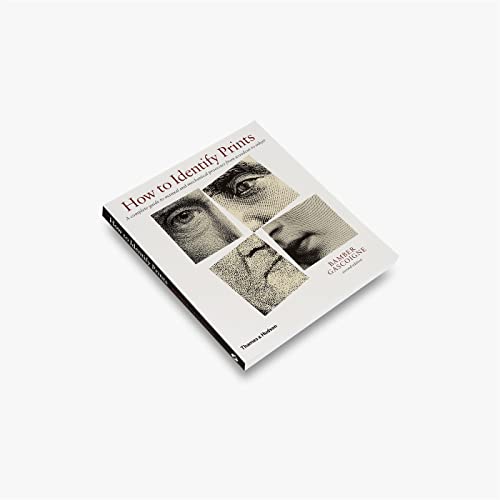
Understanding these designations helps you evaluate what you are buying and whether the price is justified. For a deep dive into the technical identification of prints, Bamber Gascoigne's How to Identify Prints is the definitive reference.
The Printmaking Titans: Artists Who Defined the Medium
No collecting guide is complete without understanding who elevated printmaking to its highest levels.
Albrecht Dürer (1471–1528) essentially invented the art print market. His woodcuts and engravings — Melencolia I, Knight, Death and the Devil, The Rhinoceros — demonstrated that prints could achieve the intellectual and aesthetic ambition of any medium. Rembrandt van Rijn (1606–1669) used etching with an unprecedented emotional range, manipulating ink, wiping, and paper choice to make each impression subtly unique. Katsushika Hokusai (1760–1849) brought the Japanese woodblock tradition to global prominence; his Thirty-six Views of Mount Fuji series remains iconic.
Austin Art Insider
Free weekly guide to galleries, exhibitions & collecting in Austin.
In the modern era, Pablo Picasso produced over 2,400 prints across every technique. Andy Warhol made screenprinting the voice of an entire cultural moment. David Hockney has been one of the most inventive printmakers of the past sixty years, working across etching, lithography, and digital media. Jasper Johns, Robert Rauschenberg, Louise Bourgeois, Kara Walker, and Julie Mehretu represent just a fraction of the major artists for whom printmaking is central — not peripheral — to their practice.
One of printmaking's greatest virtues is its range. Here is a realistic snapshot of the current market:
Category
Approximate Range
Emerging/student artist editions
$50 – $500
Established contemporary printmakers
$500 – $5,000
Blue-chip contemporary (Hockney, Johns, Thiebaud)
$5,000 – $500,000+
Old Master prints (Dürer, Rembrandt)
$1,000 – $5,000,000+
Warhol screenprints
$5,000 – $50,000,000+ (Marilyn)
Japanese woodblocks (Hokusai, Hiroshige)
$500 – $500,000+
The critical takeaway: you can start collecting original prints by significant artists for far less than a comparable painting. A Hockney lithograph might cost a fraction of a Hockney painting, but it is every bit as much an original work by the artist's hand. Auction records at Christie's and Sotheby's consistently demonstrate that great prints appreciate meaningfully over time.
If you're exploring art as an investment alongside your collecting passion, our guide on the fundamentals of art investing covers the broader financial picture.
Condition Assessment: What to Look For
Condition is everything in print collecting. A foxed, faded, or trimmed impression can be worth a fraction of a clean one. Here is what to check:
Foxing: Small brown spots caused by fungal growth or iron deposits in the paper. Common in older prints. Light foxing is acceptable for Old Masters; heavy foxing significantly reduces value.
Mat burn: A dark line or discoloration around the edges where an acidic mat was in contact with the paper. This is irreversible and always a negative.
Fading or light staining: UV exposure bleaches pigments over time, especially in color lithographs and screenprints. Hold the print at an angle to detect uneven toning.
Trimming: Original prints should retain their full margins. Trimming — especially into the plate mark on intaglio prints — substantially reduces value.
Creasing, tears, and tape residue: Examine raking light across the surface. Previous repairs should be disclosed by any reputable seller.
Acid burn or yellowing: Paper that has turned uniformly brown or yellow was likely stored on acidic materials.
Ink quality: In intaglio prints, check that lines are crisp and rich. Late impressions from a worn plate will look thin and gray.
Developing your eye for condition takes time, but it is one of the most valuable skills a collector can build. Our article on training your eye to spot quality applies directly to evaluating prints.
The print market is unusually diverse and accessible:
Galleries and dealers specializing in prints (look for IFPDA members for vetted dealers)
Auction houses — both major houses (Christie's, Sotheby's, Bonhams) and regional auction houses regularly hold dedicated print sales
Print fairs — the IFPDA Print Fair in New York is the premier event, but local and regional fairs occur nationwide
Artist studios and workshops — buying directly from printmakers supports artists and often offers the best value
Estate sales and consignment galleries — this is where hidden gems surface, and it is exactly what we do at Austin Gallery. When estates include print collections, the heirs often don't realize what they have. We evaluate, research, and sell prints on consignment with zero upfront fees, and we've handled everything from mid-century lithographs to contemporary screenprints.
Online platforms — Artsy, 1stDibs, and artist websites can be good sources, but always verify condition from high-resolution images and request condition reports
Investment Potential: Why Prints Outperform Expectations
The investment case for prints is stronger than most collectors realize. Because prints are multiples, they tend to be priced lower than unique works — but scarcity still drives appreciation. A Dürer woodcut from the 1490s has survived in only dozens of good impressions. Even modern editions of 50 or 75 become scarce as impressions enter permanent museum collections and leave the market forever.
Key factors that drive print values upward:
Edition exhaustion — once every impression is placed, secondary market prices rise
Artist career trajectory — prints by artists whose paintings surge in value follow
Exhibition and publication history — prints included in major retrospectives gain provenance value
Condition scarcity — clean, well-preserved impressions become rarer every year
The Museum of Modern Art's print collection alone holds over 60,000 works, and they continue to acquire. Every museum purchase tightens supply for private collectors.
Care, Framing, and Preservation
Prints are works on paper, and paper is vulnerable. Proper care is not optional — it is the difference between preserving value and watching it deteriorate.
Framing Essentials
UV-filtering glazing is mandatory. Museum-quality UV glass or acrylic (like Tru Vue Museum Glass) blocks 99% of UV radiation. Standard glass offers almost no protection. This single upgrade can prevent decades of fading.
Acid-free mats and backing. Every material touching the print must be acid-free and lignin-free. Standard mat board will cause mat burn within years. Use 100% cotton rag board.
Hinging, not mounting. Prints should be attached to the backing board with acid-free Japanese paper hinges or archival corners — never dry-mounted, never taped with masking or cellophane tape.
Spacers. The print should never touch the glazing directly. Moisture can cause the paper to adhere to the glass, causing irreversible damage.
For a detailed walkthrough of framing techniques for works on paper, see our comprehensive art framing masterclass.
Environmental Care
Avoid direct sunlight — even with UV glass, prolonged direct exposure is harmful.
Control humidity — aim for 40–55% relative humidity. Excessive moisture promotes foxing; excessive dryness causes paper to become brittle.
Temperature stability — avoid hanging prints on exterior walls or near HVAC vents where temperature fluctuates.
Handle with clean hands — or better, cotton gloves. Skin oils cause permanent staining on uncoated paper.
Rosemary Simmons' Collecting Original Prints: A Beginner's Guide is a wonderful introduction for anyone just starting their print collecting journey, covering everything from identifying techniques to building a coherent collection.
Austin Gallery's Print Collection: A Living Example
At Austin Gallery, we see the full spectrum of prints come through our consignment program. Estate collections are our specialty, and prints are among the most common — and most frequently underestimated — works we encounter.
We've handled signed Warhol screenprints discovered in closets, mid-century lithographs by regional Texas artists that turned out to be museum-quality, and Japanese woodblock collections assembled by traveling collectors decades ago. In every case, proper identification, condition assessment, and informed pricing made the difference between a quick, undervalued sale and a result that truly reflected the work's worth.
Our process is simple: we research the artist, authenticate the work when possible, assess condition honestly, photograph the print professionally, and market it to buyers who understand what they are looking at. There are no upfront fees, and we handle everything from evaluation through sale. If you've inherited a print collection — or built one yourself and are ready to consign — reach out to us.
If you've inherited a print collection — or built one yourself and are ready to consign — reach out to us.
Start Collecting Today
Prints reward curiosity. The more you learn about techniques, history, and the artists who chose printmaking as their primary voice, the more you'll appreciate what you're looking at — and the better your purchasing decisions will become.
Start by visiting your nearest museum print room (most allow study-room visits by appointment). Attend a print fair. Pick up a foundational book. And when you find a print that genuinely moves you — one with crisp impressions, clean margins, and an artist whose vision resonates — buy it. That is how every great collection begins.
The prints you collect today become the estate collection of tomorrow. Make sure it's one worth inheriting.
Insider Tip
Lower-numbered impressions in an edition are generally sharper and more valued. For intaglio prints (etchings, engravings), the difference can be significant.
Original Print
An artwork created directly by the artist using a printing matrix (plate, block, stone, screen). Each impression is an original work of art, not a mechanical reproduction of a painting.
Share
Austin Art Insider
Free weekly guide to galleries, exhibitions & collecting in Austin.
Consignment
Have Art You Want to Sell?
Free appraisals, zero upfront fees, nationwide service from Austin, Texas.