Starting a Small Art Collection: First Steps for New Collectors (Beginner's Guide)
How to start building an art collection. Practical first steps for beginning collectors on any budget.
By Austin Gallery
This article contains affiliate links. Austin Gallery may earn a commission at no cost to you.
You don't need a trust fund, a degree in art history, or a sprawling loft in SoHo to start collecting art. What you need is curiosity, a willingness to look closely, and the confidence to trust your own taste. Starting a small art collection is one of the most rewarding things you can do for your living space, your creative life, and yes, even your financial future. And the best part? You can begin today, with whatever budget you have.
You don't need a big budget to start collecting — meaningful collections begin with a single piece
Prints, works on paper, and emerging artists offer the best entry points under $500
Build relationships with galleries and artists — they'll alert you to opportunities
Document everything from day one: receipts, certificates, condition photos
This guide walks you through every step of building a meaningful collection from the ground up, from setting your first budget to developing the eye that separates casual buyers from serious collectors.
Set a Realistic Budget (and Stick to It)
The single biggest misconception about art collecting is that it requires serious wealth. It doesn't. Original works by emerging and mid-career artists regularly sell for $200 to $2,000. Signed prints and limited editions from well-known artists can be found for even less. Estate art, where pieces from personal collections re-enter the market, often sells at a fraction of gallery retail.
$200
Original works by emerging and mid-career artists regularly sell for to $2,000
Original works by emerging and mid-career artists regularly sell for $200 to $2,000.
Here is a practical framework for beginning collectors:
$200-$500: Prints, photography, small works on paper, student art, and estate sale finds
$500-$1,500: Original paintings by emerging artists, quality vintage pieces, signed limited editions
$1,500-$5,000: Established mid-career artists, significant vintage works, gallery-represented artists
The key is deciding on a per-piece budget and an annual collecting budget before you start shopping. Art has a way of creating urgency in the moment, and a clear budget prevents impulse decisions you might regret. Treat each purchase as an intentional choice, not a spontaneous splurge.
One more thing: never stretch beyond what you can comfortably afford. The best collections are built slowly, over years and decades, not in a single spending spree.
Develop Your Eye Before You Open Your Wallet
Before spending a dollar, invest time in looking. This is the most important advice any experienced collector will give you, and it's completely free.
Visit museums. Go to gallery openings. Browse Artsy and Saatchi Art online. Attend local art walks. The goal isn't to become an expert overnight. It's to start noticing what draws you in, what holds your attention, and what you keep thinking about days later. That instinct is the foundation of every great collection.
Keep a running note on your phone of artists, styles, and specific pieces that resonate. Over a few months, patterns will emerge. Maybe you're drawn to bold color fields. Maybe you gravitate toward intimate charcoal drawings. Maybe midcentury abstraction speaks to you in a way that nothing else does. These patterns become the DNA of your collection.
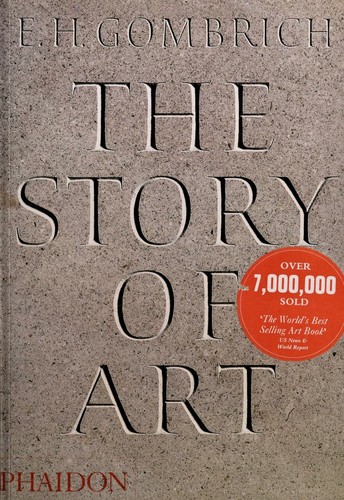
A few books can accelerate this process enormously. The Story of Art by E.H. Gombrich is the single best overview of Western art history ever written, and it reads like a conversation, not a textbook. John Berger's Ways of Seeing will fundamentally change how you look at images. For practical collecting guidance, The Intrepid Art Collector by Lisa Hunter is a superb beginner's guide that covers everything from gallery etiquette to negotiating prices. And Magnus Resch's How to Collect Art provides an insider's perspective on navigating the market with confidence.
Once you've spent some time developing your eye, it's time to start hunting. The art world is far more accessible than most people realize, and there are more places to find quality work at reasonable prices than ever before.
Estate Sales and Consignment Galleries
This is where many of the best values in the art market live. When private collections are dispersed, whether through estate settlements, downsizing, or simply changing taste, remarkable pieces become available at prices well below what they'd command in a primary gallery. You're not paying the markup of a first sale. You're paying a fair market price for a work that has already proven it's worth living with.
At Austin Gallery, we specialize in exactly this kind of art. Our consignment model means we work with estate collections, private sellers, and families who have inherited art they want to place with appreciative new owners. The result is an ever-changing inventory of paintings, prints, sculpture, and works on paper at price points that make real collecting possible, even on a modest budget. If you're in the Austin area, stop by and browse. If you're not, our online inventory is always available.
For finding estate sales in your area, websites like EstateSales.net are invaluable. Set alerts for your zip code, and arrive early on opening day for the best selection.
Student Shows and Open Studios
University art departments hold thesis exhibitions and open studio events, usually in spring. This is where you can buy original work by talented emerging artists for $100 to $500, prices that won't exist once these artists establish gallery representation. Check the calendars at your local university art departments. In Austin, UT's Department of Art and Art History holds excellent exhibitions throughout the year.
Austin Art Insider
Free weekly guide to galleries, exhibitions & collecting in Austin.
Online Platforms
Saatchi Art offers an enormous selection of original work by artists worldwide, with robust filtering by price, medium, and size. Artsy connects you with galleries globally and is especially useful for researching artists and price histories. Both platforms offer works starting well under $500.
Art Fairs
Art fairs compress an enormous amount of gallery-quality work into a single venue over a few days. They're ideal for seeing a wide range of styles and price points quickly. Many fairs now include dedicated sections for emerging artists and affordable works. The Art Fair Calendar tracks fairs worldwide so you can plan ahead. Don't overlook smaller, regional fairs. They tend to be less overwhelming and more welcoming to new collectors.
Auction Houses
If you think auctions are only for millionaires bidding on Picassos, think again. Major houses like Christie's and Sotheby's run regular online-only sales with lots starting under $500. Their websites include helpful beginner guides that walk you through the bidding process step by step. Regional auction houses are even more accessible and often feature estate lots with genuine hidden gems.
There's a persistent myth that "real" collectors only buy originals. This is nonsense. Prints, lithographs, etchings, serigraphs, and giclees have a long and distinguished history in art collecting. Some of the most important works by artists like Warhol, Hockney, Lichtenstein, and Durer exist primarily as prints.
A signed, numbered limited edition print by a recognized artist is a legitimate collectible with real market value. It's also one of the most accessible ways to own work by artists whose originals command five or six figures. You can find quality prints for $100 to $1,000 that will bring genuine visual pleasure and hold their value over time.
The most compelling collections have a point of view. This doesn't mean you need rigid rules, but having a loose focus makes your collection more coherent, more interesting to live with, and more valuable over time.
Some possible organizing principles:
By medium: Works on paper, photography, ceramics, or textiles
By period: Midcentury modern, contemporary, postwar abstraction
By style: Minimalism, figuration, landscape, geometric abstraction
By theme: Nature, urban life, the body, identity, music
By region: Texas artists, Latin American art, Scandinavian design
By personal connection: Work by artists you've met, places you've traveled, communities you belong to
Your focus will evolve as you learn more and see more. That's expected and healthy. But starting with some intentional direction keeps you from accumulating a random assortment of things you liked in the moment but that don't work together on your walls.
Display and Care Basics
Art is meant to be seen, and how you display it matters. A few fundamentals will protect your investment and make your home look dramatically better.
Good framing transforms a piece. Bad framing diminishes it. For works on paper, always use acid-free matting and UV-protective glass. For oil and acrylic paintings, a simple float frame or no frame at all often works best. When in doubt, keep frames minimal and let the art speak. Overly ornate frames are the most common mistake new collectors make.
Hanging
Hang art so the center of the piece sits at roughly 57 inches from the floor, which is standard museum hanging height and corresponds to average eye level. Use proper picture hanging hardware rated for the weight of the piece. Two hooks per frame distribute weight more evenly and keep things level.
Environmental Care
Keep art out of direct sunlight, which fades pigments over time. Maintain stable temperature and humidity. Avoid hanging valuable work above fireplaces, radiators, or in bathrooms where moisture fluctuates. Works on paper are especially sensitive to humidity and should be properly framed with a sealed backing.
This documentation serves multiple purposes. It's essential for insurance. It adds value if you ever resell. And it creates a personal narrative of your collecting journey that becomes its own kind of memoir. A simple spreadsheet works fine to start. As your collection grows, dedicated apps like Artwork Archive can help manage the details.
As your eye develops and your budget grows, you'll find that some early purchases no longer excite you. This is a sign of growth, not failure. Many collectors periodically sell or consign pieces that no longer fit their evolving vision and use the proceeds to acquire stronger work.
This is one area where a relationship with a consignment gallery like Austin Gallery becomes particularly valuable. We can help you evaluate pieces you've outgrown, find them new homes, and direct you toward work that better represents where your collection is heading. Consignment means no upfront cost to you. We handle the sale, and you reinvest in the next chapter of your collection.
Trading up is one of the oldest practices in collecting. It's how modest beginnings turn into significant collections over a lifetime.
Build Relationships with Galleries
A good gallery relationship is one of the most underrated assets a collector can have. Gallery staff and owners live and breathe the art world daily. They can alert you to pieces before they hit the public market, introduce you to artists whose work aligns with your taste, and provide context that changes how you see a piece.
Don't be intimidated by galleries. Despite their reputation, most gallery professionals genuinely enjoy working with new collectors and are happy to answer questions, explain pricing, and help you learn. Start by attending openings, which are free and designed to be social. Introduce yourself. Ask what's new. Express genuine interest. Over time, you'll build the kind of relationship that gives you access to opportunities you'd never find on your own.
If you're in Austin, we'd love to be part of that relationship. Whether you're buying your first piece or your fiftieth, our team at Austin Gallery enjoys helping collectors at every stage find work that excites them.
The collectors who build the most meaningful collections aren't the ones who spend the most. They're the ones who stay curious, keep looking, and make thoughtful purchases over many years. A collection assembled over two decades, piece by considered piece, will almost always be more interesting, more cohesive, and more valuable than one bought in a rush.
Don't chase trends. Don't buy what someone else tells you is "hot." Don't worry about what's going up at auction. Buy what moves you, what challenges you, what you want to wake up and see every morning. The best collectors trust their own eye and play a patient game.
Start small. Start now. A single piece you love, hung well on your wall, is the beginning of something that can grow with you for the rest of your life. There's no minimum requirement for calling yourself a collector, just the decision to begin.
If you're ready to take your first step, explore the joy of collecting art and see what resonates. Your collection is waiting to be discovered.
Pro Tip
Start with prints by artists you admire. A $200 signed print can be the seed of a serious collection.
A $200 signed print can be the seed of a serious collection.
Share
Austin Art Insider
Free weekly guide to galleries, exhibitions & collecting in Austin.
Consignment
Have Art You Want to Sell?
Free appraisals, zero upfront fees, nationwide service from Austin, Texas.