This article contains affiliate links. Austin Gallery may earn a commission at no cost to you.
Instagram has quietly become one of the most powerful research tools in the art world. Forget the stereotype of mindless scrolling -- for collectors, the platform is a direct line to museum collections, gallery exhibitions, auction previews, market analysis, and the studios of artists whose work you might want to own. The curators, critics, dealers, and institutions you would normally need to fly across the country to access are posting daily, often with insights that never make it into catalogues or press releases.
The challenge is signal versus noise. There are millions of art-related accounts, and most of them recycle the same Monet water lilies and Basquiat crowns without adding any real value to your understanding of the market. The accounts below are different. Each one earns its place in your feed because it will actively make you a more informed, more confident collector. Whether you are just beginning to build your eye or you have been buying for years, these are the fifteen accounts that belong in every serious collector's feed.
Key Takeaways
- Follow a mix of museums, market news, collector communities, and education accounts to build a well-rounded art feed
- Use Instagram's save folders, dedicated accounts, and screenshot annotations to turn passive scrolling into active research
- Cross-reference everything you discover on Instagram with market data before making purchase decisions
- The best collectors treat their feed like a research tool, not entertainment -- and their buying decisions reflect it
Quick Picks: All 15 Accounts at a Glance
| Account |
Category |
Followers |
Best For |
| @themet |
Museum |
5M+ |
Conservation deep-dives, cross-period education |
| @lacma |
Museum |
2M+ |
Contemporary/modern highlights, Latin American art |
| @guggenheim |
Museum |
3M+ |
Architecture, contemporary programming |
| @blantonmuseum |
Museum |
50K+ |
Texas/Austin collectors, Latin American holdings |
| @contemporaryaustin |
Museum |
40K+ |
Emerging artists, outdoor sculpture |
| @artnet |
Market |
1.5M+ |
Auction results, market analysis |
| @artsyofficial |
Market |
1M+ |
Art fair previews, collecting advice |
| @frieze |
Market |
800K+ |
Critical essays, studio visits |
| @theartnewspaper |
Market |
500K+ |
Investigative journalism, museum news |
| @theartgorgeous |
Collector |
200K+ |
Art fair coverage, collector home tours |
| @collectorsagenda |
Collector |
100K+ |
Collector psychology, buying strategies |
| @arthistoryfeed |
Education |
500K+ |
Daily art history deep-dives |
| @greatartexplained |
Education |
300K+ |
Video essay analysis, masterwork breakdowns |
| @smarthistory |
Education |
150K+ |
Academic art history, free courses |
Major Museum Accounts: See What the Best Institutions Are Showing
Museum Instagram accounts do something no other platform can replicate at scale -- they give you daily access to works from collections worth billions of dollars, curated by people who have spent decades studying them. Following museums is not about pretty pictures. It is about training your eye on the highest-quality work in existence so that when you encounter something in a gallery or at auction, you have a calibrated sense of what excellence looks like. If you have been working on building your eye to spot quality art, museum feeds are the daily practice that makes the principles stick.
Photo: @themet on Instagram
Followers: 5M+
What they post: Collection highlights, exhibition previews, conservation deep-dives, behind-the-scenes studio work, and seasonal thematic content drawn from one of the most encyclopedic collections on earth.
The Met's Instagram is essentially a free art history course delivered in daily installments. What makes it genuinely useful for collectors is the breadth -- in a single week you might see a 5,000-year-old Egyptian sculpture, a Vermeer detail, a contemporary acquisition, and a textile from the Costume Institute. That range builds the kind of cross-period, cross-medium visual literacy that separates serious collectors from people who only know one corner of the market. Pay particular attention to their conservation posts, where they show works being cleaned, restored, or analyzed under UV light. Understanding condition is one of the most valuable skills a collector can develop, and the Met gives you a front-row seat to how professionals assess it.
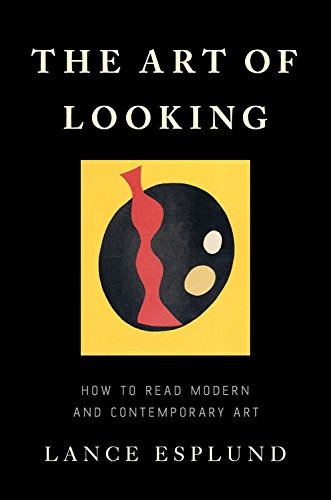
For a deeper dive into developing this kind of visual literacy, Lance Esplund's The Art of Looking is the best companion text -- it teaches the slow, deliberate observation skills that make museum feeds genuinely educational rather than just eye candy.
Amazon
The Art of Looking
View on Amazon →
Best content type: Their Reels and carousel posts on conservation processes and collection deep-dives.
Follow them: instagram.com/themet
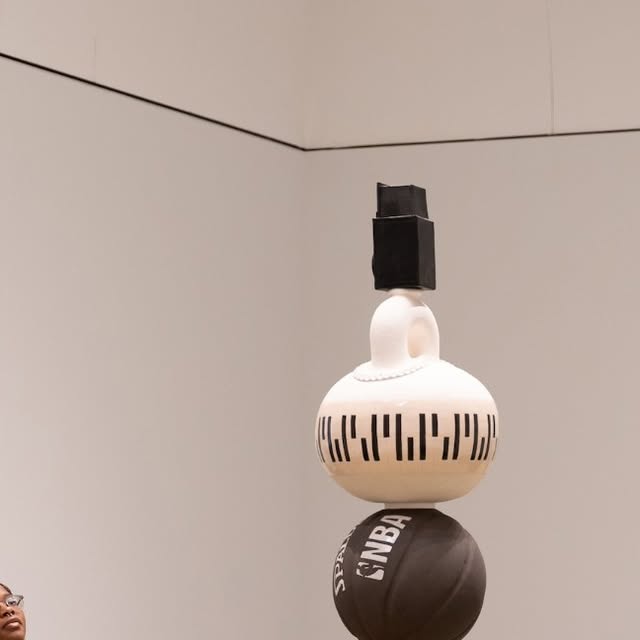 Photo: @lacma on Instagram
Followers: 2M+
What they post: Contemporary and modern art highlights, architecture content (Chris Burden's Urban Light installation alone generates endless engagement), exhibition walkthroughs, and artist interviews.
LACMA leans harder into contemporary and modern work than some encyclopedic museums, which makes it particularly relevant if you collect in those areas. Their exhibition content often features artists who are mid-career and ascending in market value -- exactly the zone where smart collectors find the best opportunities. Their feed also reflects the museum's commitment to Latin American, Asian, and Pacific Island art, giving you exposure to markets and movements that East Coast institutions sometimes underrepresent.
Best content type: Exhibition walkthrough Stories and artist studio visit Reels.
Follow them: instagram.com/lacma
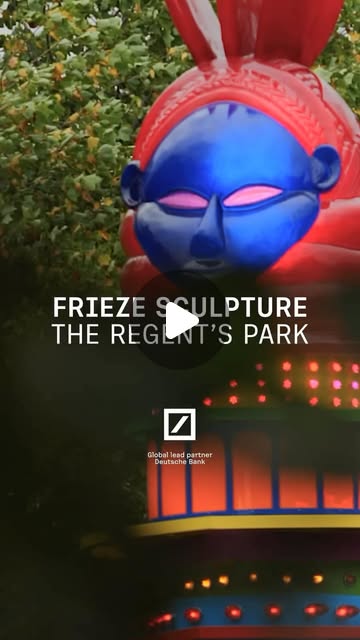 Photo: @guggenheim on Instagram
Followers: 3M+
What they post: Exhibition highlights, architectural photography, contemporary and modern art programming, artist commissions, and collection spotlights from both the New York flagship and international locations.
The Guggenheim's feed is distinguished by the building itself -- Frank Lloyd Wright's spiral rotunda is one of the most photographed interiors in the world, and the museum uses it masterfully as a backdrop for contemporary programming. But beyond the architecture, their content focuses on ambitious solo exhibitions and commissions that represent institutional bets on major artists. For collectors, the Guggenheim's programming often signals which artists are moving from gallery-level recognition to museum-level canonization -- a transition that historically correlates with significant market appreciation. Their international locations (Bilbao, Venice, Abu Dhabi) also give you a genuinely global perspective that most American museum feeds lack.
Best content type: Exhibition installation Reels and architectural detail carousels.
Follow them: instagram.com/guggenheim
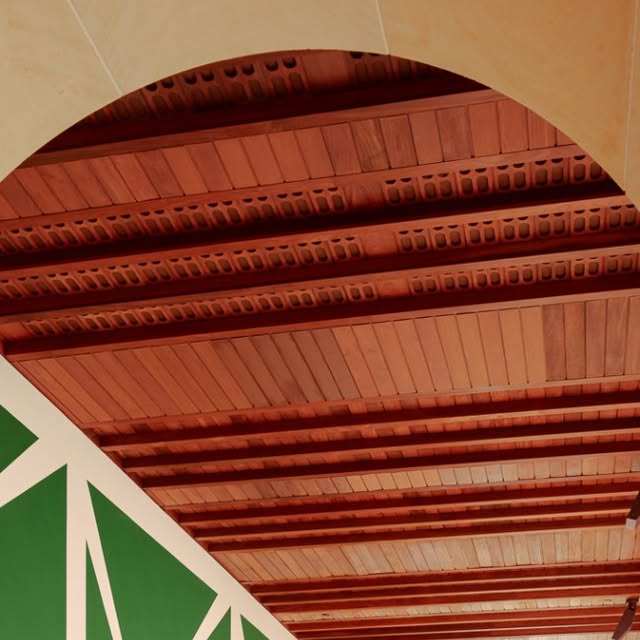 Photo: @blantonmuseum on Instagram
Followers: 50K+
What they post: Collection highlights from one of the largest university art museums in the country, exhibition previews, artist talks, and campus events.
If you collect in Austin or anywhere in Texas, the Blanton is essential. Housed at the University of Texas, its collection of over 21,000 works includes one of the strongest Latin American art holdings in the United States, a significant European paintings collection, and an increasingly ambitious contemporary program. The Instagram account is particularly good at contextualizing works -- captions explain not just what you are looking at but why it matters in art historical and market terms. For Austin-based collectors, the Blanton is also where you build relationships with curators and fellow collectors at openings and events. Check out our Austin art scene guide for more on making the most of the city's institutional resources.
Best content type: Exhibition opening coverage and collection spotlight carousels.
Follow them: instagram.com/blantonmuseum
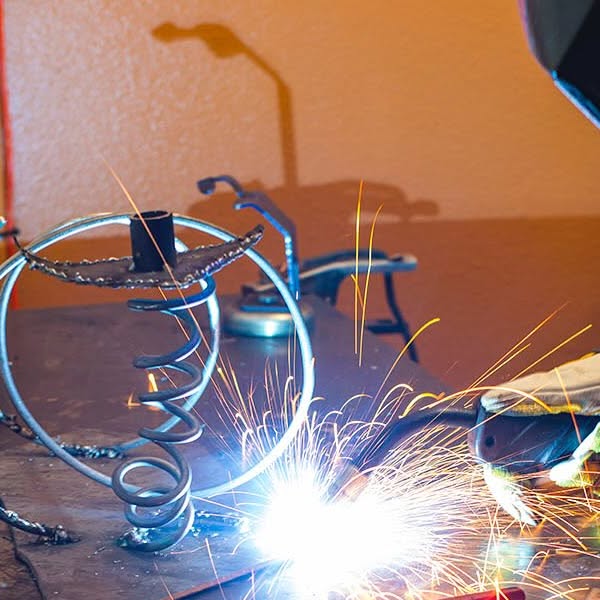 Photo: @contemporaryaustin on Instagram
Followers: 40K+
What they post: Exhibitions at their Jones Center downtown and Laguna Gloria sculpture park locations, artist commissions, outdoor installations, and community programming.
The Contemporary Austin gives you a direct window into what is happening at the edge of contemporary art in Central Texas. Their programming tends toward ambitious, large-scale commissions and solo exhibitions by artists with international gallery representation, many of whom are at inflection points in their careers. For collectors, this is intelligence -- seeing which artists a respected institution is betting on before the broader market catches up. Their Laguna Gloria content is also just visually stunning, showing sculpture and installation work in a landscape setting that no white-cube gallery can match.
Best content type: Laguna Gloria outdoor installation documentation and exhibition opening Reels.
Follow them: instagram.com/contemporaryaustin
Art Market and News Accounts: Stay Ahead of the Curve
These accounts keep you informed about the business side of art -- who is selling, what is selling, and where the market is heading. If you are approaching collecting with any financial awareness at all (and you should be, as we cover in our beginner's guide to art investing), these feeds are non-negotiable.
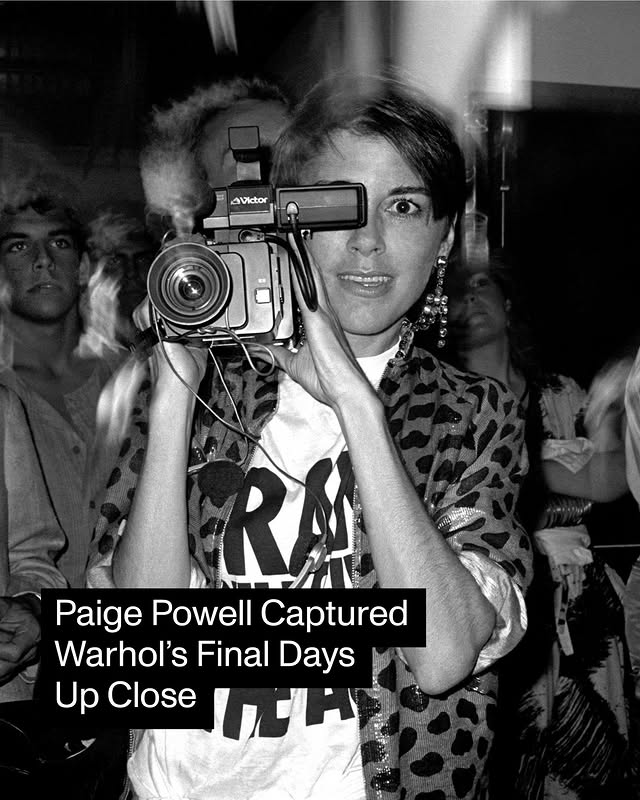 Photo: @artnet on Instagram
Followers: 1.5M+
What they post: Auction results, market analysis, art world news, gallery openings, artist profiles, and opinion pieces on collecting trends.
Artnet is the Bloomberg Terminal of the art world, and their Instagram distills the most important headlines into a scrollable feed. Where they really deliver value is in auction coverage -- when a work sells for a record price or a major collection comes to market, Artnet breaks it down in real time. They also cover the business side of galleries (openings, closings, representation changes) that directly affects market dynamics. If you follow one art news account, this is the one.
Don Thompson's The $12 Million Stuffed Shark remains the most entertaining and insightful book on the economics behind auction headlines -- pair it with Artnet's coverage and you will understand not just what sold, but why.
Amazon
The $12 Million Stuffed Shark
View on Amazon →
Best content type: Auction result breakdowns and market trend analysis posts.
Follow them: instagram.com/artnet
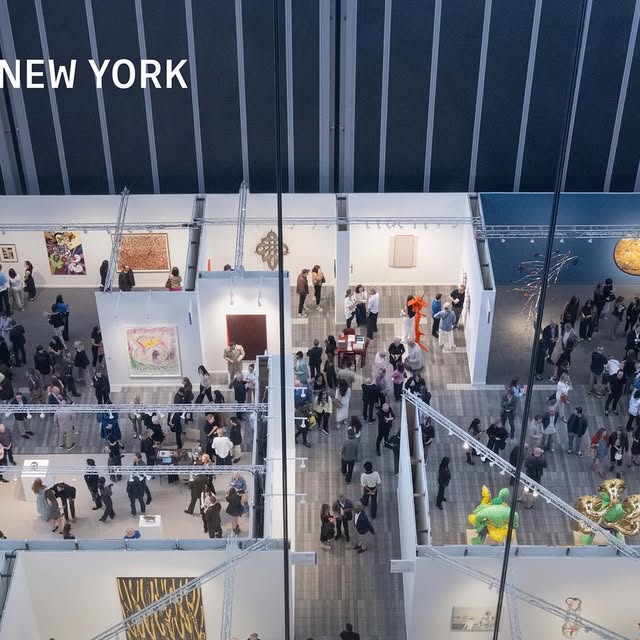 Photo: @artsyofficial on Instagram
Followers: 1M+
What they post: Artist features, gallery exhibition highlights, collecting advice, art fair previews, and curated editorial content.
Artsy functions as both a marketplace and a media platform, and their Instagram splits the difference well. The collecting advice content is specifically tailored to people who are actively buying, not just looking. Their art fair preview content is especially useful -- before major fairs like Art Basel, Frieze, or even regional events we recommend in our guide to the best art fairs for new collectors, Artsy highlights the booths and artists to prioritize. It is free advance scouting from a team that knows the market.
Best content type: "Works to collect" carousels and art fair preview guides.
Follow them: instagram.com/artsyofficial
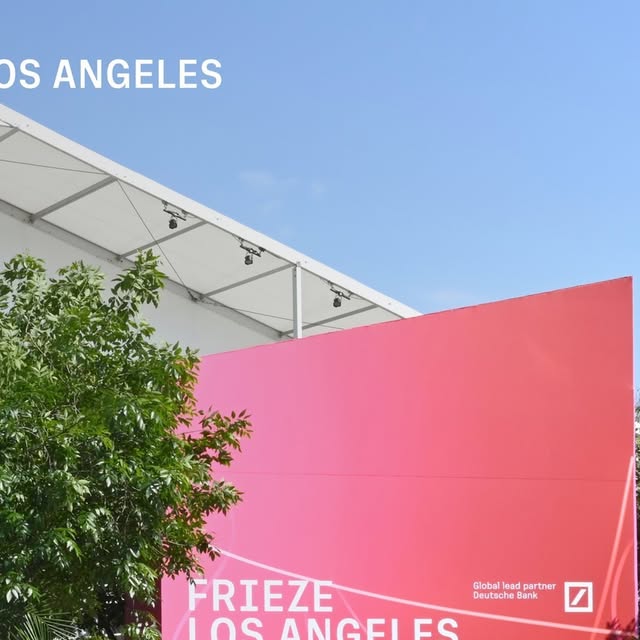 Photo: @frieze on Instagram
Followers: 800K+
What they post: Exhibition reviews, artist interviews, fair coverage, critical essays, and studio visits.
Frieze brings a more critical, editorial lens than Artnet or Artsy. Their content skews toward the ideas and cultural context behind the market rather than just the numbers. For collectors, this is where you develop the intellectual framework that helps you understand why certain artists and movements gain traction. Frieze's studio visit content is among the best on the platform -- intimate, substantive conversations with artists about their process and intentions. When you are evaluating whether to invest in an artist's work, understanding their thinking matters as much as understanding their price trajectory.
Best content type: Long-form studio visit Reels and critical essay excerpts in carousel format.
Follow them: instagram.com/frieze
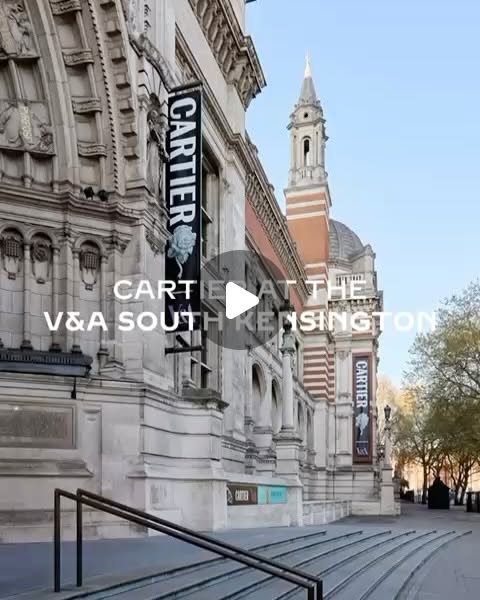 Photo: @theartnewspaper on Instagram
Followers: 500K+
What they post: Breaking art world news, investigative journalism, museum policy coverage, restitution cases, exhibition reviews, and market analysis.
The Art Newspaper has been the paper of record for the international art world since 1990, and their Instagram account distills decades of editorial credibility into a daily feed. What sets them apart from Artnet and Artsy is their investigative angle -- they cover the stories other outlets skip, including museum deaccessions, restitution disputes, forgery scandals, and the political dynamics that shape institutional collecting. For collectors, this is essential context. Understanding provenance issues, authenticity debates, and the regulatory landscape around art ownership directly affects your buying decisions and risk assessment.
Best content type: Breaking news graphics and investigative deep-dive carousels.
Follow them: instagram.com/theartnewspaper
Collector and Influencer Accounts: Learn from People Who Buy
There is a category of Instagram account that sits between institution and individual -- run by collectors, advisors, or community builders who share the experience of living with and acquiring art. These are valuable because they show you collecting as a practice, not just as a transaction. If you are thinking about how to display work you have already acquired, our complete guide to home gallery walls covers the practical side of living with art.
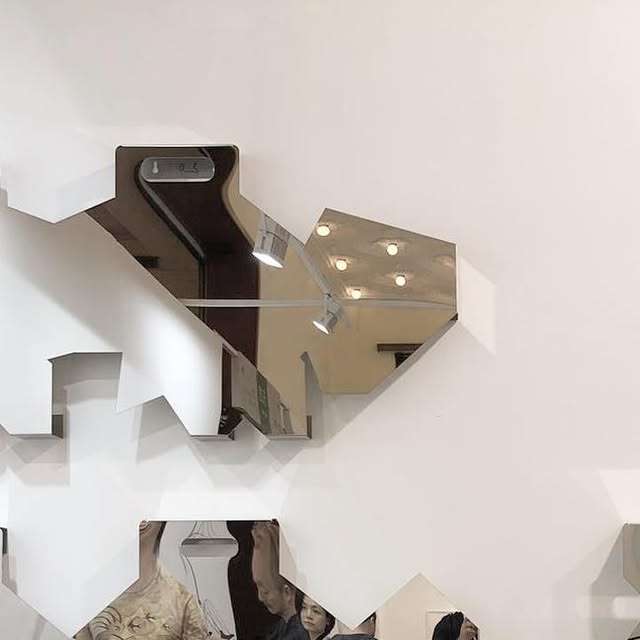 Photo: @theartgorgeous on Instagram
Followers: 200K+
What they post: Gallery and museum visits worldwide, art fair coverage, collector home tours, and curated recommendations for what to see and buy.
The Art Gorgeous functions like a well-connected friend who happens to attend every major art event on the planet and has impeccable taste. Their content moves fluidly between blue-chip museum shows and emerging gallery exhibitions, which models the kind of range a healthy collector's attention should have. The home tour content is particularly useful -- seeing how other collectors live with art, how they hang and light it (our guide to art lighting under $200 covers the practical side), how they mix periods and mediums, gives you practical ideas for your own collection.
Best content type: Art fair walkthrough Stories and collector home visit carousels.
Follow them: instagram.com/theartgorgeous
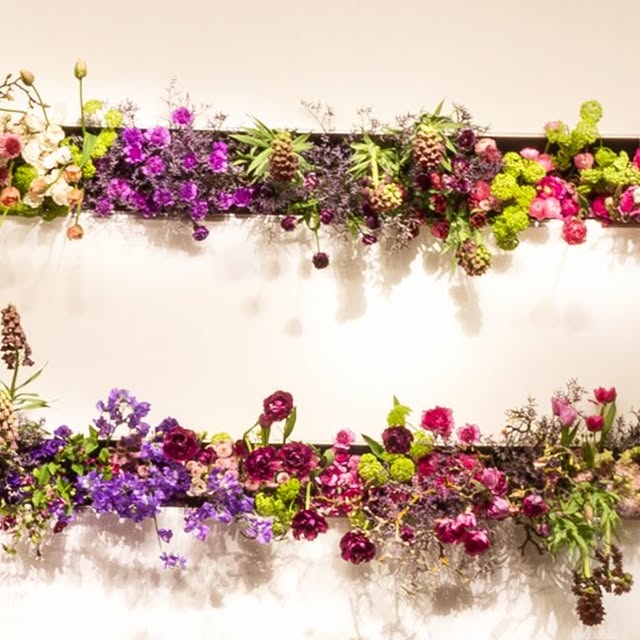 Photo: @collectorsagenda on Instagram
Followers: 100K+
What they post: Collector profiles, studio visits, exhibition recommendations, and interviews with people who are actively building collections.
Collectors Agenda takes an interview-driven approach that gets inside the decision-making process of real collectors. Why did they buy this piece? How do they decide between two works by the same artist? What was their biggest mistake? This is the kind of practical, experience-based wisdom that no textbook provides. For new collectors especially, understanding the psychology and strategy of people further along the path is enormously accelerating.
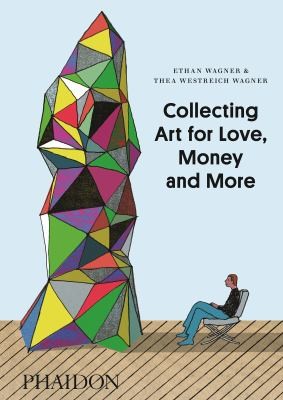
For a book-length version of this approach, Ethan Wagner's Collecting Art for Love, Money and More interviews dozens of collectors about their strategies, mistakes, and philosophies -- it is the best print complement to this account.
Amazon
Collecting Art for Love, Money and More
View on Amazon →
Best content type: Collector interview carousels and "why I bought this" posts.
Follow them: instagram.com/collectorsagenda
Art Education Accounts: Build Context and Confidence
These accounts are explicitly educational. They exist to make you smarter about art history, visual analysis, and the skills that underpin good collecting decisions.
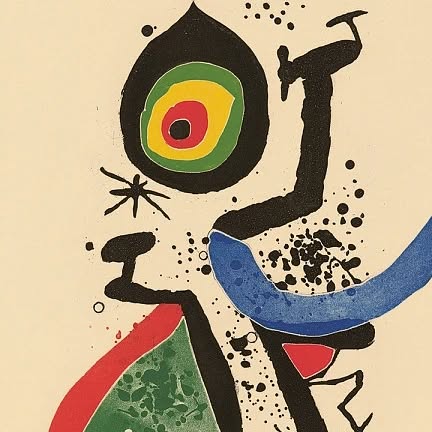 Photo: @arthistoryfeed on Instagram
Followers: 500K+
What they post: Daily art history posts covering movements, artists, and individual works with substantive captions that go well beyond surface-level facts.
Art History Feed is the account that does the most work per post. Their captions are genuinely informative -- not just "this is a Rothko" but contextualizing the work within the artist's career, the movement it belongs to, and why it matters. For collectors, this ongoing education directly translates to better buying decisions. The more art history you internalize, the more quickly you can assess whether a work you encounter is significant, derivative, or somewhere in between.
Best content type: Single-work deep-dive posts with extended captions.
Follow them: instagram.com/arthistoryfeed
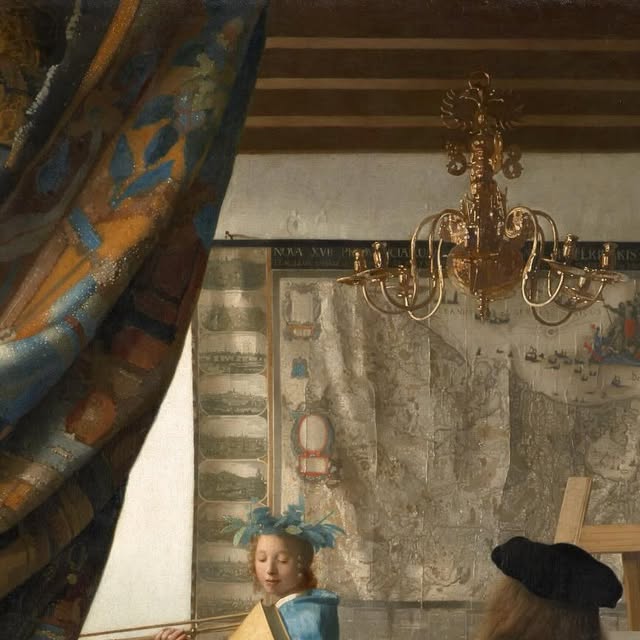 Photo: @greatartexplained on Instagram
Followers: 300K+
What they post: Clips and stills from their phenomenally detailed YouTube video essays, which break down individual masterworks with a level of analysis that rivals university lectures.
Great Art Explained started as a YouTube channel and has become one of the most respected art education resources on the internet. Their Instagram clips give you the highlights, but the real value is in the full videos they link to. If you want to understand what makes a Vermeer technically extraordinary, how Picasso's Guernica works as both propaganda and masterpiece, or why Hopper's Nighthawks endures, this is where you go. The analytical framework they model -- breaking a work into composition, color, technique, and meaning -- is exactly the process you should use when evaluating art for purchase.
John Berger's Ways of Seeing is the foundational text for this kind of analytical approach -- originally a BBC series, it changed how an entire generation learned to look at art, and it pairs perfectly with Great Art Explained's video essays.
Amazon
Ways of Seeing
View on Amazon →
Best content type: Video essay clips and analysis breakdowns.
Follow them: instagram.com/greatartexplained
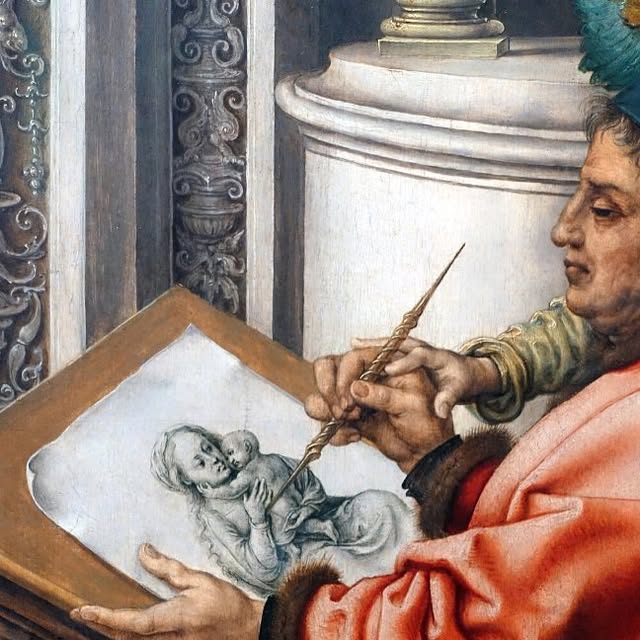 Photo: @smarthistory on Instagram
Followers: 150K+
What they post: Art history explainers, video lectures, artwork analysis, and educational content spanning every major period and culture from ancient to contemporary.
Smarthistory is the most ambitious free art education project on the internet -- created by Dr. Beth Harris and Dr. Steven Zucker, it offers university-quality art history content at no cost. Their Instagram account surfaces highlights from a library of thousands of videos and articles, each one written or reviewed by subject-matter experts. For collectors, Smarthistory fills a specific gap: it gives you the academic foundation that helps you understand not just what you like, but why certain works matter art-historically. When you are evaluating a piece for purchase, understanding where it sits in the broader trajectory of a movement or medium is the difference between an informed decision and a guess.
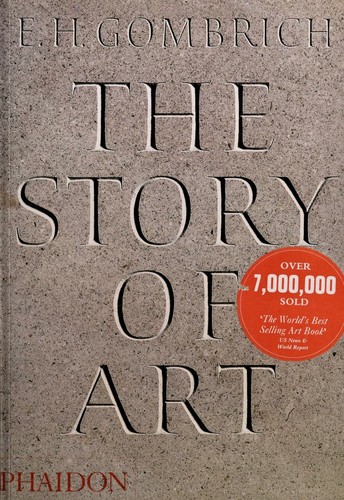
E.H. Gombrich's The Story of Art covers similar ground in book form -- it has been the standard introduction to art history for over 70 years, and pairing it with Smarthistory's videos creates a surprisingly comprehensive self-education program.
Amazon
The Story of Art
View on Amazon →
Best content type: Artwork analysis videos and period-specific explainer carousels.
Follow them: instagram.com/smarthistory
Following the right accounts is step one. Using the platform strategically is where it becomes genuinely powerful.
Build Themed Collections with Saved Folders
Instagram's save feature with folders is an underutilized research tool. Create folders by artist, medium, price range, or theme. When you see a work that catches your attention, save it. Over months, patterns emerge -- you start to see what you are consistently drawn to, which artists keep reappearing in your saves, and where your taste is evolving. This is data about yourself that would otherwise remain invisible.
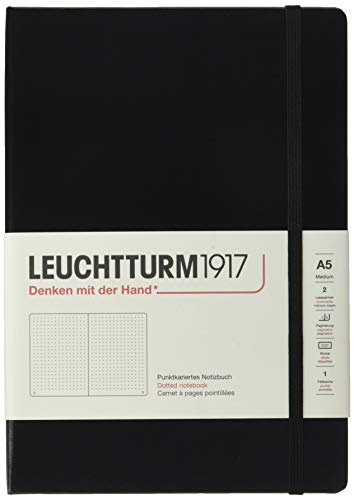
A dedicated Leuchtturm1917 dotted notebook beside your phone is still the fastest way to capture thoughts that go beyond a save -- jot the artist's name, what drew you in, estimated price range, and any questions you want to research later. The combination of digital saves and handwritten notes creates a research system that is far more useful than either one alone.
Amazon
Leuchtturm1917 dotted notebook
View on Amazon →
Use the Explore Page Deliberately
Once you follow a critical mass of quality art accounts, Instagram's algorithm starts surfacing related content. The Explore page becomes a discovery engine for artists and galleries you would never have found through traditional channels. When you see something compelling from an account you do not follow, investigate. Look at who they follow, who follows them, and what galleries and institutions they tag.
Create a Dedicated Collector Account
If your personal Instagram is full of food, travel, and friends, consider creating a separate account focused entirely on art. This is not about hiding your collecting habit -- it is about signal quality. A dedicated account trains the algorithm exclusively on art content, which makes your Explore page dramatically more useful. It also creates a clean visual record of your evolving taste that you can share with gallery advisors, decorators, or fellow collectors when discussing what you are looking for.
Screenshot and Annotate
When you see a work that stops your scroll, screenshot it immediately and add it to a dedicated album on your phone. Then annotate: write the artist's name, the gallery, approximate dimensions if visible, and your gut reaction. This takes thirty seconds and creates a searchable archive that is far more useful than Instagram's save feature alone. Over time, reviewing these annotated screenshots reveals patterns in your taste -- recurring colors, scales, subjects, or emotional responses -- that help you articulate what you are actually looking for when you walk into a gallery.
Follow Artists Directly
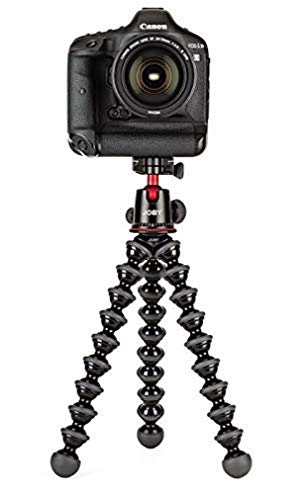
Beyond institutions and media, follow the artists whose work interests you. Their studio process posts, material experiments, and exhibition announcements give you information that collectors used to get only through gallery relationships. When an artist you follow announces a new exhibition or a gallery announces available works, you have a time advantage over collectors who rely on word of mouth. A compact JOBY GorillaPod tripod makes it easy to capture stable photos and videos when you visit artists' studios or galleries in person -- documentation that helps you remember details when you are making decisions later.
Amazon
JOBY GorillaPod tripod
View on Amazon →
For more on what to look for and how to conduct yourself during studio visits, see our insider's guide to visiting artists' studios.
Cross-Reference with Market Data
Instagram is for discovery and visual research, not for pricing. When you find an artist or work that interests you, cross-reference with market data from Artnet, Artsy, and auction databases before making any purchase decision. A beautiful Instagram post tells you nothing about whether a price is fair.
Engage Intentionally
Commenting thoughtfully on gallery and artist posts is a legitimate relationship-building strategy. Gallery directors and artists notice engaged followers, especially those who ask intelligent questions. This is not about gaming an algorithm -- it is about participating in a community that rewards genuine curiosity and knowledge.
Build Your Collector's Library
The Instagram accounts above will sharpen your eye daily, but books provide the depth that social media cannot. These five titles cover the essential knowledge areas for any serious collector -- pair them with the accounts above and you will build expertise faster than most MFA programs deliver it. For a deeper list, see our complete guide to the best art books for collectors.
| Book |
Author |
What It Covers |
Best Paired With |
| Ways of Seeing |
John Berger |
How to analyze and interpret visual art critically |
@greatartexplained |
| The Story of Art |
E.H. Gombrich |
Complete art history survey from ancient to modern |
@smarthistory, @arthistoryfeed |
| The Art of Looking |
Lance Esplund |
Slow observation skills for museums and galleries |
@themet, @lacma |
| The $12 Million Stuffed Shark |
Don Thompson |
The economics of the contemporary art market |
@artnet, @artsyofficial |
| Collecting Art for Love, Money and More |
Ethan Wagner |
Collector interviews, strategies, and philosophies |
@collectorsagenda |
How We Chose These Accounts
Every account on this list meets four criteria that we applied consistently:
- Consistent quality over time. We followed each account for at least six months before including it. Accounts that post sporadically or have declined in quality were excluded, regardless of follower count.
- Genuine value for collectors. Pretty pictures are not enough. Each account must regularly provide information -- whether market data, art historical context, collecting advice, or institutional intelligence -- that helps you make better decisions about acquiring and living with art.
- Credibility and editorial independence. We prioritized accounts run by established institutions, respected journalists, and experienced collectors. Accounts that primarily exist to sell you something (including galleries' own feeds) were excluded to avoid conflicts of interest.
- Diversity of perspective. The list intentionally spans museums, market news, collector communities, and education because no single category gives you a complete picture. A collector who only follows museums misses market dynamics; one who only follows auction news misses art historical context.
We update this list annually and welcome suggestions. If an account you follow has fundamentally changed how you collect, we want to hear about it.
Frequently Asked Questions
How many art accounts should I follow on Instagram?
Quality matters more than quantity. Start with the fifteen accounts on this list and add selectively from there. Following too many accounts dilutes your feed with repetitive content. A focused feed of 30-50 art accounts, combined with a curated Explore page, will surface more useful content than following hundreds of accounts and relying on the algorithm to sort them.
Can I actually buy art through Instagram?
Yes, but carefully. Many galleries and artists sell directly through Instagram DMs or link to their online shops. However, Instagram should be your discovery and research tool, not your transaction platform. When you find something you want to buy, reach out to the gallery or artist directly, ask for condition reports and provenance documentation, and cross-reference pricing with market data. Never buy based solely on an Instagram photo -- lighting, color accuracy, and scale are all unreliable on screen. For more on evaluating art purchases, see our beginner's guide to art investing.
For more on evaluating art purchases, see our beginner's guide to art investing.
How do I know if an art account is trustworthy?
Look for institutional affiliation, editorial history, and transparency about commercial relationships. Museum accounts and established publications like The Art Newspaper and Frieze have editorial standards that personal accounts may not. For collector and influencer accounts, check whether they disclose partnerships, whether their recommendations are consistent over time, and whether they engage substantively with their audience. Be skeptical of accounts that only post aspirational content without educational depth.
Should I follow individual galleries on Instagram?
Selectively. Gallery feeds are inherently promotional -- they exist to sell the artists they represent -- but the best ones provide genuine value through studio visit content, exhibition documentation, and educational context about their artists' practices. Follow galleries whose program aligns with your collecting interests, but balance them with the independent news and education accounts on this list to maintain perspective.
How do I use Instagram at art fairs?
Instagram becomes an essential planning tool before and during fairs. Before the fair, follow the accounts of participating galleries and the fair itself (like @frikieze for Frieze fairs) to preview booths and prioritize your visit. During the fair, check Stories for real-time walkthrough content that shows you what is generating buzz. After the fair, save posts of works you want to research further. Our guide to the best art fairs for new collectors covers in-person fair strategies in detail.
Level Up Your Art Eye: Pair your Instagram feed with essential reading — The Story of Art and Ways of Seeing will transform how you look at every post.
Related Guides:
The Bigger Picture
Instagram is a tool, not a substitute for the foundational work of collecting -- visiting galleries in person, attending art fairs, handling works, and building relationships with the people who make and sell them. But as a supplement to that work, it is unmatched. No other platform gives you daily, free access to this concentration of visual information, market intelligence, and expert perspective.
Start with the fifteen accounts above. Let the algorithm learn what you care about. Save obsessively, research everything that catches your eye, and treat your feed as a living mood board for the collection you are building. The collectors who use Instagram well do not just scroll -- they study. And that studying compounds into an eye, a network, and a collection that reflects real knowledge.
At Austin Gallery, we work with collectors at every level, from first-time buyers to seasoned consignors managing inherited estates. If you have found an artist or style through Instagram that you want to explore further, or if you have a collection you are considering consigning, we would love to hear from you. Visit us at austingallery.org or stop by our Austin location to see what is currently available.
More for collectors
Pair this with the rest of our collecting coverage: